
Do You Require Visa Sponsorship Now or in the Future?
Navigating the complexities of work opportunities as an international student or recent graduate often involves the crucial question of visa sponsorship. Understanding your needs now and in the future is paramount for a successful job search and career trajectory. This article will explore the intricacies of this question, equipping you with the knowledge and strategies to answer it effectively and confidently.
- Understanding the Importance of Sponsorship
- Deciphering Your Visa Sponsorship Needs
- Planning for the Future: Beyond the Immediate
- Proactive Strategies for Success
-
Answering the Question: "Do You Require Visa Sponsorship?"
- Do I Need Visa Sponsorship Now or in the Future? A Guide for International Job Seekers
- Q: Do I need visa sponsorship now?
- Q: Do I need visa sponsorship in the future?
- Q: How should I prepare for these questions from potential employers?
- Q: What should I consider when answering about future sponsorship?
- Q: What resources can I use to find companies that are likely to sponsor visas?
- Q: What if I don't need sponsorship now but might need it later?
Understanding the Importance of Sponsorship
Companies often need to know if a prospective employee requires future visa sponsorship because it impacts their hiring and immigration procedures. A clear understanding of your visa situation allows employers to accurately assess the time and resources required to support your employment. This information is also crucial for determining if the company can offer you a position that aligns with your career goals and the requirements of your visa status. Ultimately, transparency and honesty throughout the process are key to creating a positive work environment.
Deciphering Your Visa Sponsorship Needs
Knowing your visa options is essential to accurately determine if you require visa sponsorship now or in the future. Temporary work authorizations like OPT (Optional Practical Training) and CPT (Curricular Practical Training) provide temporary work permits, but they are often limited in duration and may not be sufficient for long-term employment. Understanding the specific requirements of each visa type is critical for determining if and when you'll need sponsorship.
Different Visas, Different Requirements
Each visa, such as the H-1B, O-1, TN, or others, has different eligibility criteria and sponsorship requirements. For example, STEM (Science, Technology, Engineering, and Mathematics) graduates often have the option of extending their OPT, which can provide additional time to work in the United States without immediate sponsorship. However, even with these extensions, the need for future sponsorship is a very real possibility.
Honesty and Transparency
Truthfulness is paramount when answering questions about visa sponsorship. Employers need to make informed decisions about their hiring process, and providing accurate information about your visa status allows them to determine the feasibility of supporting your employment. It's important to avoid ambiguities that might complicate the process.
Planning for the Future: Beyond the Immediate
While your current visa status might not require immediate sponsorship, understanding your long-term career aspirations is critical. Many employers value international employees but require an understanding of potential future visa needs. Your plans for continued education, family immigration, or long-term employment in the country might influence your answer to this question.
Proactive Strategies for Success
Research: Before applying to any position, research the company's history with international hires and their potential willingness to sponsor visas. Networking with other international students or recent graduates for insight into specific company policies is also highly beneficial.
Target Sponsorship-Friendly Employers: Actively seek out companies known for hiring and sponsoring international employees. Using resources like Interstride's blog or similar platforms can facilitate this process.
Prepare for Interviews: Prepare sample answers for different scenarios, considering both immediate and future sponsorship needs. Practice explaining your career goals and how they align with a particular employer's values.
Consult Experts: Don't hesitate to consult with immigration attorneys, career counselors, or university advisors. Their expertise can provide invaluable guidance and support.
Answering the Question: "Do You Require Visa Sponsorship?"
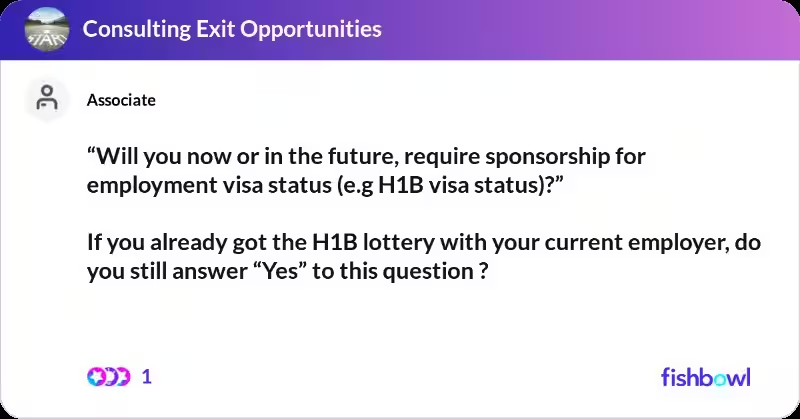
Naturally, the response to "Do you require visa sponsorship now or in the future?" should be tailored to your circumstances. While you may not require sponsorship immediately, honesty about your potential future needs is essential. Consider the following:
Possible Answers:
   "While I currently hold an OPT/CPT, I am interested in pursuing a career in [field], which may necessitate a visa sponsorship in the future."
   "I am not requiring sponsorship at this time but am open to the possibility in the future if the role aligns with my long-term career goals."
   "I am currently eligible for [OPT/CPT], but I would be grateful if you could clarify whether sponsorship is available for [specific role/type of employment]."
By approaching the question proactively and with honesty, you can present yourself as a valuable and well-prepared candidate, creating a more positive and productive interaction with potential employers. Remember, effective communication about your visa needs is critical for a smooth and successful job search.
Do I Need Visa Sponsorship Now or in the Future? A Guide for International Job Seekers
This FAQ provides insights into the complexities of visa sponsorship requirements for international job seekers.
Q: Do I need visa sponsorship now?
A: Your current visa status (e.g., OPT, CPT) impacts your immediate need for sponsorship. If your current visa permits work, you likely won't need sponsorship now. However, even with temporary work authorizations, you'll likely need sponsorship in the future to maintain your work status. It is crucial to understand the expiration dates of these authorizations. Thorough research into your specific visa options (OPT, CPT, H-1B, etc.) is essential.
Q: Do I need visa sponsorship in the future?
A: Generally, yes. Temporary work authorizations, such as OPT and CPT, are usually time-limited. The vast majority of employment situations, even those starting with temporary work authorizations, will require a permanent work visa sponsorship at some point. This is a critical aspect of your career planning. Understanding the different visa options, their eligibility requirements, and the process for obtaining a future sponsorship is vital. The nature of your job, your long-term career goals, and the job market conditions strongly influence the likelihood of needing sponsorship.
Q: How should I prepare for these questions from potential employers?
A: Honesty is paramount. Clearly articulate your current legal work status and your intended future employment plans. Research the employer's hiring practices for international workers. Are they known to sponsor visas? Networking with international student communities can provide valuable insights. Preparing sample answers for interview situations, covering varying futures, is recommended. Practice answering questions about your future visa needs, and be prepared to explain your long-term career goals in relation to your need for sponsorship.
Q: What should I consider when answering about future sponsorship?
A: Consider your long-term career trajectory. Do you envision a long-term career with the company? Explore the different visa options that might be available to you. Understanding these options and their sponsorship requirements will help you anticipate future needs. Research the specific requirements of different visa categories. This research will allow you to be informed and truthful in your answers. Seek advice from immigration attorneys or school officials to gather accurate information.
Q: What resources can I use to find companies that are likely to sponsor visas?
A: Research companies known for hiring and sponsoring international workers. Your school's career services and alumni networks can be excellent resources. Online resources like Interstride's blog can help you identify sponsorship-friendly employers.
Q: What if I don't need sponsorship now but might need it later?
A: Be upfront and honest. Explain that while you're currently working under a temporary visa, you anticipate needing sponsorship for continued employment in the future. This preparation demonstrates your understanding of the immigration process and your commitment to long-term career goals. Understanding the timeline and requirements of different visas is essential in explaining your needs.