
Understanding Sarah Kay's "The Type": A Deep Dive into Self-Acceptance
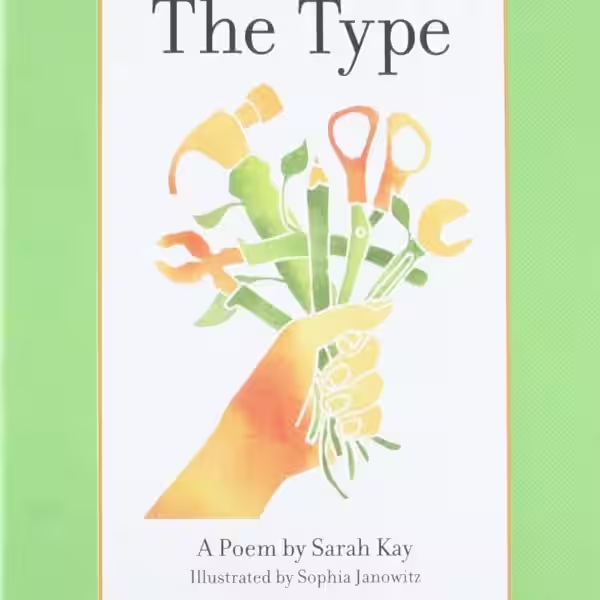
Sarah Kay's "The Type" isn't just a poem; it's a call to action, a powerful exploration of self-worth and societal expectations. This article delves into the core messages of the poem, examining its profound impact and how it resonates with readers. Through understanding the complexities of "The Type" we can better gain an insight into the artist and the powerful message she is conveying.
Recognizing the Weight of Societal Expectations
"The Type" challenges the pressure on women to conform to societal expectations. It confronts the idea of being defined by others' validation or the need to fit into predetermined roles. The poem doesn't shy away from the uncomfortable truths about how society often pressures women to be a certain way. This isn't about being critical of society, but about recognizing the weight of expectations and forging one's own path. It's about the courage to reject these norms and find your own strength. The poem urges readers to break free from these confines and embrace the unique and authentic self that lies within. This is a powerful message that resonates deeply with many women who feel trapped by societal expectations.
Embracing Authenticity and Self-Acceptance
Central to Sarah Kay's "The Type" is the concept of embracing one's true self, flaws and all. The poem encourages readers to move beyond the superficial and delve into the depths of their own being. This often involves confronting the discomfort of societal norms and expectations, but this personal journey is a necessary step in self-discovery. The poem challenges the reader to unmask societal expectations and embrace a unique personal journey. This self-acceptance is crucial to emotional well-being.
Understanding the Roles We Play
"The Type" encourages women to reject the notion of being a metaphor, a solution or a problem-solver. The poem highlights the importance of recognizing that women are not merely symbols in a narrative, rather they are full individuals with their own unique needs and experiences. This idea is critical in understanding how we are often relegated to supporting roles in our own lives. The poem is an attempt to break those roles and to embrace our unique journey.
The Complexities of Love and Relationships
The poem doesn't shy away from the complexities of love and relationships. It speaks to the idea that being loved is different from loving. Love requires a profound and personal journey of self-discovery. In relationships, it's crucial to understand that love isn't always easy or seamless. Vulnerability is key, and the poem encourages women to embrace this vulnerability without sacrificing their sense of self. Embracing the complexities of relationships is crucial in real life.
Cultivating Emotional Resilience
"The Type" emphasizes the importance of self-forgiveness and emotional resilience. It encourages readers to move past mistakes and acknowledge the process of personal growth. In relationships, mistakes are inevitable. It's important to remember that emotional resilience is not about avoiding mistakes, but about learning from them and moving forward. This is a critical part of growth, and self-acceptance.
Embracing Independence and Self-Reliance
A recurring theme in "The Type" is the importance of independence. The poem champions the power of self-reliance, highlighting the ability to create one's own sanctuary of happiness and support system. This is a crucial message for women navigating the world. It's about recognizing that you have the agency to create a life that feels fulfilling and authentic to you. This self-reliance is crucial not just for navigating the personal sphere but also the professional landscape.
Recognizing the Worth of Your Journey
"The Type" stresses the value of appreciating your unique experiences, both positive and negative. These experiences are the building blocks of personal growth and understanding. The poem encourages women to value their journey, and to see the lessons and growth that come from these experiences. This is a crucial aspect of understanding and accepting yourself.
The Power of Self-Acceptance and Authenticity
Self-acceptance is presented as a cornerstone of emotional well-being. The poem encourages readers to embrace their imperfections, understanding that they are integral parts of who we are. This acceptance isn't about minimizing our problems or issues, but about recognizing them as a part of our journey. This acknowledgment is key to self-acceptance and to moving forward.
Beyond the Lines: The Significance of Sarah Kay's Work
Sarah Kay, a gifted and insightful poet, is known for her powerful and emotional work. Her poems resonate deeply with readers, often exploring themes of self-discovery, societal expectations, and personal growth. "The Type" showcases this depth and resonates with readers because it's not just about a specific experience, but about a universal human experience. These themes are often explored in her other works, and this helps readers to appreciate the nuance and depth of her work.
In conclusion, Sarah Kay's "The Type," both as a poem and as a reflection of the poet's broader work, is a powerful testament to the importance of self-acceptance, emotional resilience, and the rejection of societal pressures. It's a call to action, urging women to embrace their unique qualities and to forge their own paths. This poem is a valuable tool for anyone seeking to understand the importance of self-care, emotional well-being and personal growth.
Frequently Asked Questions about Sarah Kay's "The Type"
What is "The Type" about?
"The Type" is a powerful poem by Sarah Kay that encourages women to reject societal expectations and embrace their authentic selves. It confronts the pressures women face to conform to specific roles and encourages them to prioritize self-acceptance, independence, and emotional well-being. The poem explores themes of self-worth, avoiding harmful expectations of others, and building a fulfilling life on one's own terms.
What are the key messages in "The Type"?
The poem offers 20 key messages, urging women to:
* Reject dependence on external validation. Your worth is not determined by others' opinions.
* Understand the difference between appearance and intent. Don't assume that someone's actions reflect genuine connection.
* Refuse to be a metaphor or a solution for others. You are not a symbol, a problem-solver, or a story to be lived out by someone else.
* Embrace your physicality and accept your body as it is.
* Understand male insecurity. Men, too, face internal struggles and emotional challenges.
* Resist fulfilling others' needs. You are not responsible for fixing others' problems.
* Recognize that love is complex. Loving and being loved are distinct journeys.
* Don't fear potential hurt. Learn from relationships and move forward with resilience.
* Practice self-forgiveness. Forgive yourself for mistakes and move on.
* Embrace independence. Create your own happiness and support system.
* Focus on personal growth. Understand your desires and needs.
* Understand your worth. You are a complete and unique individual.
* Don't judge yourself by others' standards. Live by your own values.
* Emphasize self-reliance. Build your own world and support network.
* Value your own experiences. Appreciate your emotional journey.
* Recognize the need for emotional safety. Create a safe space for yourself.
* Be honest about your emotions. Express your feelings.
* Resist the role of victim. Empower yourself and recognize your agency.
* Embrace self-acceptance. Acknowledge your imperfections and strengths.
* Be the architect of your own happiness. Build a fulfilling life for yourself.
Is "The Type" only about women?
While the poem primarily addresses societal pressures on women, its themes of self-acceptance, emotional well-being, and recognizing the complexities of human relationships apply equally to everyone. It suggests a need for empathy and understanding across genders.
How is "The Type" presented?
The poem is a written work, but it's mentioned that Sarah Kay has also performed it. The review highlights the impact of hearing the poem read aloud by the author, along with silent reading, as ways to appreciate the poem's depth and emotional impact. The review emphasizes the poem's potency to stand alone, regardless of these additional methods of engagement.
What does the review of "The Type" say?
The review praises "The Type" for its powerful message, honesty, and emotional intensity. It notes that the poem's strength allows it to stand alone, even without visual aids, and that repeated engagement, including both reading and listening, enhances its impact. The reviewer also hints at a familiarity with Kay's broader body of work and how that familiarity enhances their appreciation for "The Type."