
Understanding the Psychology Behind Being Photographed: A Deep Dive
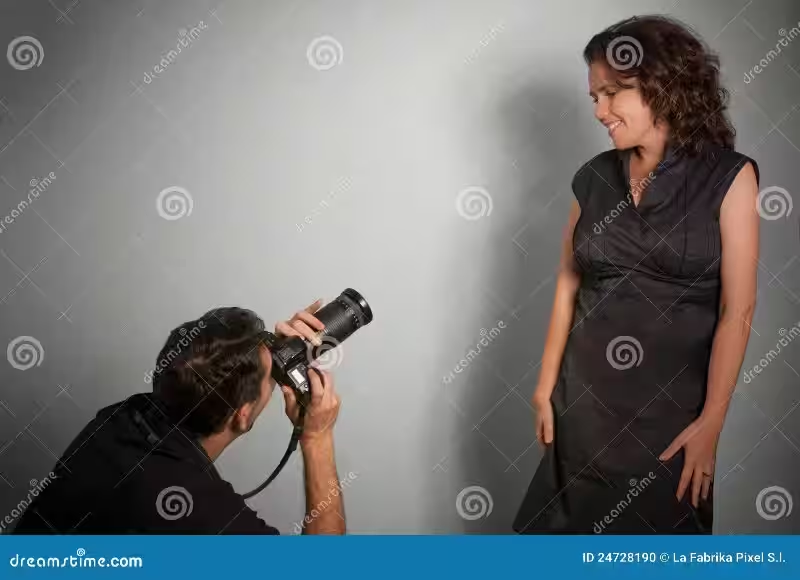
Being photographed. It's a commonplace experience, yet for many, it evokes a complex mix of emotions – from excitement to dread. Why do some people embrace the camera's lens while others seem to shrink from it? This article delves into the fascinating psychological reasons behind our reactions to being photographed, uncovering the often-unseen forces shaping our responses.
The Societal Lens: How Expectations Shape Our Photosensitivity
We live in a visually-driven world, and the constant barrage of images – in social media, magazines, and everyday life – shapes our perceptions. These images often portray idealized versions of ourselves. From a young age, especially for women, there's a relentless pressure to conform to specific standards of beauty, often focusing on youthfulness, thinness, and perfection. This relentless pressure creates a self-image that prioritizes flawless appearances.
This societal pressure profoundly impacts our reactions when being photographed. For example, a perceived imperfection, like a slight wrinkle or a tired expression, can feel deeply unsettling. Naturally, these imperfections clash with the idealized self-image we've been conditioned to hold onto, causing us to react negatively to the photograph. This feeling isn't necessarily about the picture itself, but rather about how it reflects our internalized anxieties about not measuring up.
The Self-Worth Equation: Confidence and the Camera
Beyond societal expectations, the way we perceive our self-worth plays a significant role in our response to being photographed. Low self-esteem often makes individuals want to minimize their presence and avoid being noticed. They might unconsciously shrink physically, hunch their shoulders, and try to disappear from the frame. This behavior often reflects a lack of self-acceptance and a belief that they don't deserve to be seen.
Conversely, individuals with high self-worth, often stemming from an internal sense of self-assurance rather than external validation, naturally project confidence. They stand tall, occupy space, and are unafraid to be seen. This difference directly correlates with their body language and how they naturally conduct themselves. This highlights an important link between physical posture and psychological state, as explored by Amy Cuddy's research. In essence, how we carry ourselves in a photograph often mirrors how we feel about ourselves.
Unveiling the Inner Landscape: Addressing the Root Cause
This is not to say that being photographed is inherently negative; rather, the discomfort often stems from an internal conflict between our idealized self-image and the reality we perceive in the photograph. It's the gap between what we envision as ideal and what the camera captures that can trigger a negative emotional response.
Naturally, overcoming this discomfort requires introspection. Understanding the root causes—societal pressures, perfectionism, and self-worth issues—is the first step in fostering a more positive relationship with photography and with ourselves. This is crucial for taking ownership of how we react to being photographed and ensuring that it doesn’t negatively impact our self-esteem.
Strategies for Embracing the Lens
Developing a more positive relationship with being photographed requires a multi-pronged approach. Here are some strategies to consider:
-
Acknowledge the Source: Identify the underlying reasons for your discomfort. Is it societal pressures, self-criticism, or a lack of self-confidence? Once you recognize the source, you can start working on addressing it.
-
Practice Self-Compassion: Be kind to yourself. Remember that perfection doesn't exist, and imperfections are a part of what makes us unique. Embrace your flaws, as they contribute to a complete picture of yourself.
-
Reframe Your Perspective: Challenge the negative thoughts and beliefs that interfere with your confidence. Remind yourself that you are worthy of being seen, regardless of how you might appear in a photograph.
-
Focus on the Present: When being photographed, try to focus on the present moment rather than anticipating how you'll appear in the picture. This can help reduce anxiety and allow you to relax and express yourself more naturally.
-
Embrace the Visual: View the photograph not as a judgment on your worth, but as a snapshot of a moment in time. Consider it a record of your experience and an opportunity to appreciate the beauty of the present moment, rather than criticizing the outcome.
Conclusion: Reclaiming Control
In conclusion, our reaction to being photographed is often a mirror reflecting our internal conflicts. By understanding the psychological underpinnings of our discomfort, we can begin to cultivate a more positive relationship with photography. This, in turn, helps us to embrace the present moment, appreciate the immediacy of the experience, and rediscover the inherent beauty in every picture, regardless of whether we are the subject being photographed. Naturally, it's a process that requires self-awareness, self-compassion, and a willingness to challenge societal norms and internalized anxieties. By taking the time to understand these complexities, we can empower ourselves to view being photographed as a neutral moment, not a reflection of our self-worth.
Photography and Self-Image: Frequently Asked Questions
Why do I feel uncomfortable being photographed?
The discomfort many people feel when photographed isn't inherent to the act itself, but rather a reflection of internal thoughts and perceptions. Societal pressures, particularly those targeting women, often emphasize youthfulness, beauty, and pleasantness. This creates an idealized self-image that prioritizes flawless appearances. When a photograph doesn't match this idealized image, it can trigger negative emotions, as perceived imperfections contradict the individual's self-perception and sense of self-worth.
How does my self-worth affect my reaction to being photographed?
Low self-esteem often leads to a desire to become inconspicuous and minimize one's presence, impacting how people react to being photographed. Conversely, individuals with high self-worth, stemming from internal sources rather than external validation, project confidence. Their body language, like standing tall and occupying space, reflects this self-acceptance and value. Conversely, those lacking internal confidence might shrink, hunch, or pull their bodies in, reflecting a lack of self-acceptance. Amy Cuddy's research on body posture and confidence further illustrates this link between physical posture and psychological state.
Is the discomfort a specific reaction to photos of women?
While the article focuses on the psychological underpinnings of discomfort, it suggests that societal pressures and expectations, particularly those targeting women, play a significant role in shaping the negative feelings associated with photography. However, the underlying principle of self-image and self-worth applies to all genders.
How can I improve my relationship with photography?
Addressing the internal issues that contribute to the discomfort – namely, societal pressures and self-perceptions – can potentially lead to a more positive and confident relationship with photography. Developing a stronger sense of self-worth and accepting imperfections are key to overcoming this discomfort.
How does body language affect the discomfort associated with photos?
Body language plays a crucial role in how one reacts when being photographed. Individuals with high self-worth often project confidence through their posture (standing tall, occupying space). Conversely, those with low self-esteem might hunch or shrink, reflecting a lack of self-acceptance and self-value. This reinforces the idea that the reaction to being photographed is connected to internal feelings about oneself.