
Understanding Refugee Status Determination: A Comprehensive Guide
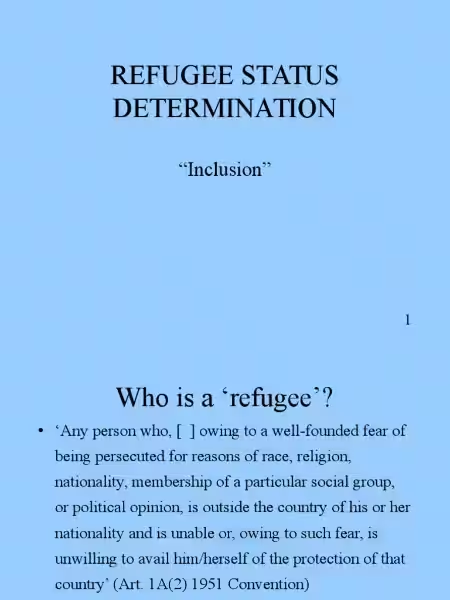
Seeking refuge in a new country is a complex and often traumatic experience. One of the most crucial steps in this journey is the refugee status determination process. This process determines if an individual qualifies for international protection under the 1951 Refugee Convention and its 1967 Protocol. This article will demystify the process, providing a clear and approachable understanding of what it entails.
- The Core Principles of Refugee Status Determination
- The Process: Stages and Considerations
- The Importance of Refugee Status Determination
-
Refugee Status Determination: Frequently Asked Questions
- 1. What is Refugee Status Determination?
- 2. How is my refugee status determined?
- 3. What information is needed for my application?
- 4. What happens during the interview?
- 5. What factors are considered in the decision-making process?
- 6. What if my application is denied?
- 7. What happens if my application is approved?
- 8. Are there security checks involved?
- 9. Is the process fair?
- 10. Where can I find more information?
The Core Principles of Refugee Status Determination
The fundamental principle underlying refugee status determination is non-refoulement. This principle, enshrined in international law, prohibits a country from returning a refugee to a place where they face a well-founded fear of persecution. The determination process aims to identify those genuinely at risk and provide them with safety and protection.
Many factors contribute to this process. The determination isn't a simple "yes" or "no" but rather a careful evaluation of the applicant's individual circumstances, rigorously assessed against international legal standards. This often involves an in-depth review of the applicant's personal history, the situation in their home country, and an assessment of the credibility of their claims.
The Process: Stages and Considerations
The refugee status determination process typically involves several key stages:
1. Application Submission
The journey begins with the submission of an application. This application requires a detailed account of the applicant's reasons for fleeing their home country. It should include:
- Personal information, including identity documents if possible.
- A detailed narrative describing past persecution, current threats, or credible fears of future persecution.
- Clear explanations of why returning home is unsafe.
- Any supporting evidence such as medical reports, police reports, or witness testimonies.
This initial application forms the foundation for the subsequent steps in the process. Thorough and accurate documentation is critical at this stage.
2. The Interview
A crucial part of the process involves a personal interview with a trained officer. This interview is designed to gather further information, clarify any ambiguities, and assess the applicant's credibility. It's not an adversarial process; the goal is to obtain a comprehensive understanding of the situation. The officer will typically ask questions about:
- The applicant's life in their home country, including family background and social relationships.
- The specific events that led to their flight and their fears of returning.
- The applicant's journey to seek asylum, including any obstacles faced.
- The applicant's plans for the future if granted refugee status.
The officer's assessment of the applicant's credibility is a major factor in the final determination.
3. Evidence Review and Country Conditions Assessment
The interview is just one piece of the puzzle. All evidence submitted is meticulously reviewed. This includes cross-referencing the applicant's testimony with:
- Independent reports on human rights and country conditions.
- Information from other sources, such as NGOs or international organizations.
- Any additional evidence submitted by the applicant.
The information gathered is analyzed holistically, considering the specific circumstances of the applicant's case and the broader situation in their home country.
4. Security Checks and Admissibility
As part of the comprehensive assessment, security checks are conducted to ensure the applicant does not pose a threat to national security. These checks are standard procedure and form an essential part of the refugee status determination process. The results are carefully reviewed and weighed, alongside all other aspects of the case. Furthermore, applicants must meet all other requirements of the receiving country's immigration laws to be considered for refugee status.
5. Decision and Appeal
Based on the comprehensive review of all evidence, a decision is made. This decision is formally communicated to the applicant, outlining the reasons for the decision in detail. If the application is denied, applicants typically have the right to appeal the decision through established legal channels. This allows for a secondary review of their case and ensures due process.
The Importance of Refugee Status Determination
Refugee status determination is not merely an administrative process; it is a cornerstone of international protection. It safeguards the rights of individuals fleeing persecution by ensuring a fair and impartial assessment of their claims. The process is guided by international law and strives to protect those who genuinely need international protection. The objective is to provide a safe haven for those who have been forced to flee their homes due to well-founded fears of persecution, offering them a chance to rebuild their lives in safety and dignity. The entire process underscores the global commitment to human rights and the protection of vulnerable populations worldwide.
Refugee Status Determination: Frequently Asked Questions
Here are some frequently asked questions about the Refugee Status Determination (RSD) process:
1. What is Refugee Status Determination?
Refugee Status Determination is the legal process used to identify individuals who qualify for international protection as refugees. This process aims to distinguish those fleeing well-founded fears of persecution from those seeking migration for other reasons. It's based on international law, specifically the 1951 Refugee Convention and its 1967 Protocol, and ensures that those genuinely needing protection receive it.
2. How is my refugee status determined?
The process involves several key steps: First, you submit an application detailing your reasons for fearing persecution in your home country. This includes personal information, accounts of past persecution or threats, and why you can't safely return. Next, a trained officer interviews you to gather more information and assess the credibility of your claims. The officer then assesses your application based on the evidence, considering your fear, the risk of persecution, and the protection available in your home country. Finally, a decision is made, granting or denying refugee status.
3. What information is needed for my application?
Your application requires comprehensive information about your background, including personal details, details of your past experiences in your home country, any threats you've faced, and explanations outlining why you cannot safely return. Supporting documentation, such as medical reports, police reports, or witness statements, can strengthen your application.
4. What happens during the interview?
The interview is a crucial part of the process. A trained officer will ask you questions to gain a full understanding of your situation. The interview is designed to gather information, not to challenge you. Be honest and provide as much detail as possible. Your testimony is a critical part of the evaluation.
5. What factors are considered in the decision-making process?
The decision is based on a holistic review of all factors. This includes your personal account, the evidence you provide, the country conditions in your home country (examining the situation for those with similar characteristics to you), and the results of any necessary security checks. The officer assesses your credibility and the consistency of your statements. The entire process adheres to established laws and aims for objectivity and fairness.
6. What if my application is denied?
If your application is denied, you usually have the right to appeal the decision through established legal channels. The specific procedures for appealing will depend on the country's national asylum laws.
7. What happens if my application is approved?
Approval means you’ve been recognized as a refugee and are granted legal protection. This can lead to resettlement opportunities, access to support services, and protection from being returned to your home country (non-refoulement).
8. Are there security checks involved?
Yes, background checks are mandatory for all applicants as part of the security screening process. The results are carefully reviewed and analyzed to ensure the safety and security of all involved.
9. Is the process fair?
The process aims to be fair and impartial, ensuring due process for all applicants. It strives for objectivity based on the evidence presented and adheres to established legal frameworks. However, the specifics can vary depending on the country's immigration laws.
10. Where can I find more information?
For more detailed information about the specific RSD process in a particular country, it's best to consult that country's immigration authorities or UNHCR resources relevant to that region. The UNHCR website is a good starting point for general information.