
Motion to Reopen Case Sample: Navigating the Complexities of Immigration Appeals
Are you facing a final order of removal and believe you have grounds for a new hearing? Understanding how to file a Motion to Reopen (MTR) is crucial. This article will guide you through the process, explaining what a motion to reopen case sample might look like, and what information you need to include.
- What is a Motion to Reopen (MTR)?
- Grounds for Filing a Motion to Reopen
- The Importance of a Well-Written Motion
- Conclusion: The Path Forward
-
Motion to Reopen Case: Frequently Asked Questions
- What is a Motion to Reopen (MTR)?
- Who can file an MTR?
- What are the grounds for filing an MTR?
- Why is an MTR so important for detained individuals?
- What kind of new evidence can be used in an MTR?
- Is filing an MTR a complex process?
- What resources are available to assist with filing an MTR?
- What is the role of electronic filing systems like eCAS?
- Why is legal representation crucial for MTRs?
- What happens after an MTR is filed?
- Where can I find additional information and assistance?
What is a Motion to Reopen (MTR)?
A Motion to Reopen (MTR) is a legal request submitted to either an Immigration Judge or the Board of Immigration Appeals (BIA) to revisit a final order of removal. This means you're asking the court to reconsider its previous decision on your case. This is a lifeline for many non-citizens, particularly those detained and facing imminent deportation.
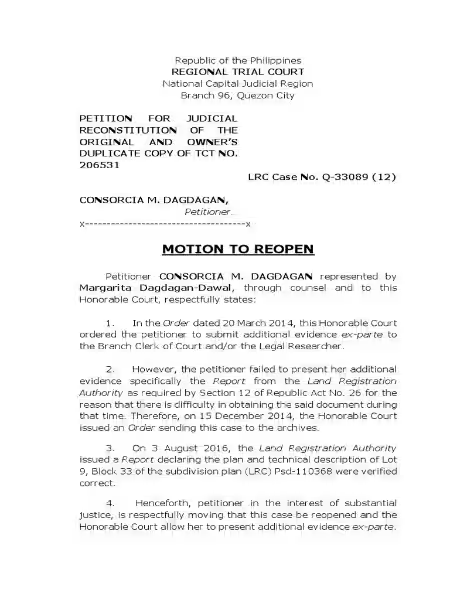
It's important to understand that an MTR isn't a simple process. It requires careful preparation, a strong understanding of immigration law, and compelling evidence. Simply stating you want a rehearing is insufficient; you need to demonstrate why the original decision should be overturned. This is where a motion to reopen case sample can be incredibly useful for understanding the necessary structure and content.
Grounds for Filing a Motion to Reopen
To successfully file an MTR, you must demonstrate one of the following acceptable grounds:
- Newly Discovered Evidence: This refers to evidence that was not available at the time of the initial hearing and that would likely change the outcome of the case. This could include previously unavailable witness testimony, medical records, or other crucial documents.
- Change in Law: If a relevant law has changed since your initial hearing, and this change significantly impacts your case, you may have grounds for an MTR.
- Clear and Convincing Error: If you believe the original decision was based on a clear and convincing error of fact or law, you can argue for reopening. This requires demonstrating a significant mistake in the original proceedings.
These grounds are strictly defined and require meticulous legal analysis. A well-crafted motion will clearly articulate which ground(s) you are relying upon and provide substantial evidence to support your claims.
Gathering and Presenting Evidence
Successfully arguing for a motion to reopen case necessitates strong evidence. This means meticulously gathering and organizing all relevant documents. This could include:
- Affidavits: Sworn statements from witnesses who can support your claims.
- Medical Records: Relevant medical documentation that supports your case.
- Legal Documents: Any legal documents that were overlooked or unavailable during the initial proceedings.
- Correspondence: Letters, emails, or other forms of communication relevant to your case.
Remember, the quality of your evidence is crucial. Poorly organized or irrelevant materials can weaken your case significantly. Consider seeking legal counsel to help you gather, organize, and present your evidence effectively. A motion to reopen case sample might offer insight into best practices in evidence presentation.
The Importance of a Well-Written Motion
The actual writing of the MTR is equally critical. A poorly written motion, regardless of the strength of your evidence, will likely be dismissed. Here's what a strong MTR should include:
- Clear and Concise Language: Avoid jargon and use straightforward language. Make your points clear and easy to follow for the judge or BIA.
- Specific Arguments: Clearly state your grounds for reopening and support each argument with concrete evidence. Avoid vague or general statements.
- Proper Legal Citations: Ensure you cite relevant case law and statutes to support your arguments.
- Organized Structure: Your motion should have a logical structure, making it easy to follow the progression of your arguments. A motion to reopen case sample can be helpful here.
- Compliance with Procedural Rules: Carefully follow all procedural rules and requirements for filing the MTR. This includes adhering to any deadlines and using the correct filing system, such as electronic filing systems like eCAS. The note about eCAS eliminating the need for a proposed order or certificate of service is a prime example of the importance of procedural compliance and underscores the need to consult the most updated procedural guidelines.
These components ensure that your motion is not only understandable but also persuasive.
Seeking Legal Assistance
Given the complexity of immigration law and the high stakes involved, it's highly recommended you seek legal counsel. An experienced immigration attorney can help you:
- Determine if you have grounds for an MTR: They can assess your case and advise you on the likelihood of success.
- Gather and organize your evidence: They can help you collect and present the most compelling evidence possible.
- Draft a strong and persuasive motion: They can write a well-structured and legally sound MTR that maximizes your chances of success.
- Navigate the complexities of the legal process: They can guide you through each step of the process, ensuring you meet all deadlines and requirements.
For those with limited resources, seeking out pro bono legal services is a viable option. These services provide invaluable assistance to those who otherwise might not be able to afford legal representation.
Conclusion: The Path Forward
Filing a Motion to Reopen is a challenging but potentially crucial step in immigration proceedings. Understanding the grounds for filing, gathering strong evidence, and crafting a well-written motion are all critical to your success. While a motion to reopen case sample can be a valuable tool, remember that legal representation is highly recommended to navigate this complex process and ensure your rights are protected. The possibility of a successful reopening hinges on meticulous preparation and a deep understanding of the legal frameworks governing these appeals. Don't underestimate the importance of seeking professional guidance to increase your chances of a favorable outcome.
Motion to Reopen Case: Frequently Asked Questions
Here are some frequently asked questions about Motions to Reopen (MTRs) in immigration cases:
What is a Motion to Reopen (MTR)?
A Motion to Reopen (MTR) is a legal request filed by a non-citizen who has received a final order of removal from the United States. This motion asks an Immigration Judge or the Board of Immigration Appeals (BIA) to reconsider the initial removal order and re-adjudicate the case. It's a crucial recourse, especially for those in immigration detention facing imminent deportation.
Who can file an MTR?
Non-citizens with final orders of removal can file an MTR. This is particularly important for individuals detained and at risk of immediate deportation.
What are the grounds for filing an MTR?
Filing an MTR requires demonstrating a valid legal basis. This could involve presenting new evidence not available during the initial hearing, highlighting a change in relevant law since the initial decision, or showing a clear error in the original ruling. The specific grounds are defined by immigration regulations and case law, requiring careful consideration.
Why is an MTR so important for detained individuals?
For detained individuals, an MTR is critical because they face the immediate threat of deportation. Successfully reopening the case offers a chance to present a stronger case, potentially preventing removal.
What kind of new evidence can be used in an MTR?
New evidence could include newly discovered documents, witness testimonies, or expert opinions that were unavailable or overlooked during the original proceedings.
Is filing an MTR a complex process?
Yes, the process is complex and demands a strong understanding of immigration law and procedures. Legal assistance is highly recommended.
What resources are available to assist with filing an MTR?
Access to comprehensive resources, including legal guides and mentorship programs, is vital for successfully navigating the complexities of filing an MTR. These resources can provide guidance on identifying appropriate grounds, understanding procedural requirements, gathering necessary documentation, and crafting a compelling legal argument.
What is the role of electronic filing systems like eCAS?
Electronic filing systems, such as eCAS, streamline the filing process. Understanding and utilizing these systems is crucial for efficient filing. In some instances, eCAS might eliminate the need for additional paperwork like proposed orders or certificates of service.
Why is legal representation crucial for MTRs?
Legal representation is crucial because immigration law is intricate. An attorney can ensure the MTR is properly prepared and filed, maximizing the chances of success. This is particularly important for vulnerable individuals facing deportation.
What happens after an MTR is filed?
After filing, the Immigration Judge or the BIA will review the motion. If the motion is granted, the case will be reopened, and a new hearing will be scheduled. If denied, the removal order remains in effect.
Where can I find additional information and assistance?
Seeking assistance from immigration attorneys, non-profit organizations specializing in immigration law, or government resources offering legal aid is strongly recommended. These resources can provide guidance, support, and ensure that your rights are protected throughout the process.