
Navigating the Maze: Understanding Letters for Immigration
Many immigrants find the immigration process daunting and confusing. A significant part of this confusion stems from the sheer volume of paperwork and the crucial role that various letters play. Understanding the different types of letters for immigration and their significance is essential for a successful application. This article will demystify the process by outlining the key letters you're likely to encounter and explaining their importance.
- Types of Letters for Immigration Applications
- Understanding the Importance of Accurate and Complete Letters
- The Role of Letters in the Overall Immigration Process
-
Frequently Asked Questions: Immigration Letters
- What types of letters are commonly used in immigration applications?
- What information should be included in a letter of support?
- How should I format my letter?
- Who should write my letter of support?
- Can I use a template for my letter?
- What if my letter is in a language other than English?
- How many letters of support should I include?
- Where should I send my letter?
Types of Letters for Immigration Applications
The immigration process involves a substantial amount of correspondence. These letters, often official documents, can significantly impact your application's outcome. Failing to understand their purpose or providing incorrect documentation can lead to delays or even rejection. Different stages of the process require specific types of letters, which often serve as crucial pieces of evidence to support your claim. Let's delve into some of the most common types.
Supporting Letters: Providing Evidence for your Claim
Supporting letters are arguably the most common type of letter used in immigration applications. These letters provide crucial evidence to corroborate information you have provided in your application. For example, if you are applying for a family-based visa, you might need supporting letters from family members confirming your relationship. The letters should be written on official letterhead, if possible, and contain specific details about the relationship, the duration of the relationship and any relevant supporting evidence.
These letters can come from a range of sources, including employers, family members, friends, teachers, and even community leaders. It's important that the letter writer is credible and can offer verifiable information. Generic or vague letters are less likely to be effective. The more specific and detailed the letter, the stronger the supporting evidence it provides.
Invitation Letters: A Crucial First Step for Many Visas
Invitation letters are often a critical component of various visa applications. These letters are issued by individuals or organizations in the destination country, inviting you to visit or reside there. For example, if you are applying for a visitor visa, a formal invitation from a family member or a business partner can significantly enhance your application's chances of success.
The credibility of the invitation letter is paramount, and immigration authorities scrutinize these documents carefully. A poorly written or unconvincing invitation letter can hurt your application. The letter should be written on official letterhead if possible, clearly state the purpose of the visit, the duration of the stay, and the inviter's willingness to financially support the applicant (as applicable). It's also important to note that the invitation letter itself will not guarantee visa approval, it is a supporting document.
Medical Examination Letters: Ensuring Good Health
Many immigration applications require a medical examination. Once the examination is completed, you will receive a medical examination letter from the designated physician. This letter confirms your health status and whether you meet the health requirements of the immigration authorities. This is a vital document, as health issues can be a significant factor in visa approval or rejection.
The medical examination letter should be comprehensive and include all the necessary information. Any inaccuracies or missing information can lead to delays or rejection of your application. It's crucial to follow all the instructions provided by the immigration authorities and your physician regarding the medical examination process. Ensure you obtain the letter from a designated physician authorized to conduct these examinations.
Employment Letters: Demonstrating Work History and Offers
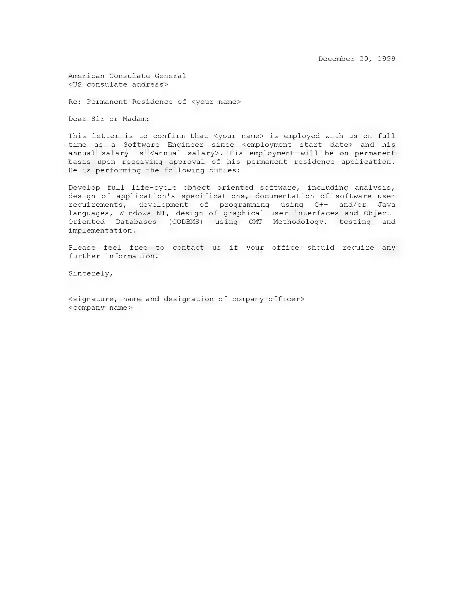
Employment letters are essential if you're applying for immigration based on employment, such as a work visa or green card. These letters should come from your current or previous employers and verify your employment history, job title, salary, and responsibilities. A strong employment letter can significantly strengthen your case, demonstrating your stability and qualifications.
A well-written employment letter should be formal, on official letterhead, and contain accurate details about your employment. Vague or incomplete information can cast doubt on your application. If you are applying for a job-based visa, you may also need an offer letter from your future employer in the destination country. This letter formally offers you a position and outlines the terms of employment.
Understanding the Importance of Accurate and Complete Letters
The accuracy and completeness of these letters are crucial. Any discrepancies or inconsistencies can raise red flags and lead to delays or rejection. Therefore, it is vital to:
- Double-check all information: Ensure all details provided in the letters are accurate and consistent with other documents submitted in your application.
- Use official letterheads: Official letterheads add credibility and authenticity to the letters.
- Provide specific details: Avoid vague or generic statements. Provide specific dates, names, addresses, and other relevant information.
- Seek professional help: If you're struggling to understand the requirements or to obtain the necessary letters, consider seeking professional legal advice. This can save time, money, and potential aggravation.
The Role of Letters in the Overall Immigration Process
Letters form a significant part of the overall immigration process. They serve as evidence, corroborate your claims, and provide crucial information to the immigration authorities. Understanding the different types of letters and their respective importance is crucial for a successful application. Remember, these letters contribute to creating a comprehensive and accurate picture of your circumstances, significantly influencing the final decision. Careful preparation and attention to detail in obtaining and submitting these documents are essential for navigating the often-complex world of immigration. By understanding the role of these letters for immigration, applicants can significantly increase their chances of a positive outcome.
Frequently Asked Questions: Immigration Letters
Here are some frequently asked questions regarding letters used in immigration processes. Remember, this information is for general guidance only and should not be considered legal advice. Consult with an immigration lawyer for specific advice related to your situation.
What types of letters are commonly used in immigration applications?
Several types of letters can support an immigration application. These include: letters of support from family members or employers, letters explaining the applicant's ties to their home country or intended country of residence, letters from doctors or therapists documenting medical conditions, letters from educational institutions verifying enrollment or degrees, and letters from organizations attesting to the applicant's involvement or contributions. The specific letters needed will depend entirely on the type of visa or immigration application being submitted.
What information should be included in a letter of support?
A strong letter of support should be detailed and credible. It should clearly identify the relationship between the writer and the applicant, providing specific examples illustrating the nature and length of that relationship. The letter should explain how the applicant’s immigration will impact the writer and their family (positively or negatively, depending on the context). It needs to be written in a straightforward, professional manner, avoiding emotional language or exaggerations. Crucially, the letter should include the writer's contact information, including their full name, address, phone number, and email address. It should be dated and signed by the writer.
How should I format my letter?
Your letter should be typed, not handwritten, using a formal business letter format. This typically includes your contact information at the top, followed by the date, the recipient's address (the immigration office or embassy), a formal salutation, the body of the letter, a closing, your signature, and your typed name. Use clear and concise language, avoiding jargon or slang. Proofread carefully for any grammatical errors or typos.
Who should write my letter of support?
The most effective letters of support come from individuals who have a long-standing, genuine relationship with the applicant and can provide specific details about that relationship. Family members, close friends, employers, and community leaders are often good choices. The credibility of the writer is important; someone with a strong reputation and verifiable information will lend more weight to the letter.
Can I use a template for my letter?
While using a template can help with formatting, it's crucial to personalize the content to accurately reflect your unique situation and relationship with the applicant. Simply filling in blanks in a generic template is likely to be unconvincing. A unique, personalized letter demonstrating a genuine connection is much more persuasive.
What if my letter is in a language other than English?
If your letter is not in English, it must be accompanied by a certified translation from a professional translator. The translation must be accurate and complete. The translator should also provide their contact information and certification.
How many letters of support should I include?
There's no magic number. The number of letters of support needed depends on the specific requirements of the immigration application and the strength of the evidence each letter provides. It's better to have a few strong, well-written letters than many weak or generic ones. Focus on quality over quantity.
Where should I send my letter?
The instructions for where to send your letter will be clearly specified in the immigration application instructions. Failure to follow these instructions precisely could lead to delays or rejection of your application. Always refer to the official application guidelines for precise submission details.