
Examples of Good Moral Character for Immigration: Ensuring a Smooth Path to Citizenship
Immigration to the United States is often a complex process, and a key component of a successful application is proving good moral character (GMC). This article explores the concept of GMC in the context of immigration, providing practical examples and insights. Understanding these examples can significantly increase the likelihood of a successful application.
- What is Good Moral Character in Immigration?
- Demonstrating Good Moral Character Through Examples
- Mitigating Negative Impacts: A Crucial Strategy
-
Conclusion: Navigating the GMC Requirements Successfully
- What is Good Moral Character (GMC) for Immigration?
- What are Examples of Good Moral Character?
- What are Examples of Behaviors that Could Hurt a GMC Claim?
- Who Can Write a Character Letter for Immigration?
- When Are Character Letters Required?
- How Can Applicants with a Criminal Record Mitigate Negative Impacts?
- What is the Format of a Strong Character Letter?
- What Should I Do if I have Questions about GMC?
What is Good Moral Character in Immigration?
Good moral character, as defined by the USCIS, essentially means aligning with the standards of an average citizen in the applicant's community. This isn't about perfection; rather, it's about demonstrating a consistent pattern of law-abiding behavior and responsible conduct. Applicants aren't expected to be flawless, but their actions must reflect the values and principles of the community they seek to join. This includes adhering to the law and maintaining a positive reputation within their social circles. Crucially, this includes honesty throughout the entire application process, from initial documentation to interviews. Crimes of moral turpitude, including serious criminal offenses, substance abuse issues, and financial misconduct, are strong indicators against GMC. Naturally, these factors need careful consideration and mitigation strategies.
Critically, understanding what constitutes a negative impact on GMC is essential. A robust understanding of the specific requirements of the immigration application, whether for a visa, naturalization, or other procedures, is vital. This is why consulting with an immigration attorney is strongly recommended as they can advise you on the exact expectations for your specific situation, helping you avoid any potential pitfalls. Navigating the complexities of GMC requirements can be daunting, and seeking professional guidance can significantly improve your chances of success. The precise examples of GMC are subjective, and vary by the individual case, therefore expert help is crucial.
Demonstrating Good Moral Character Through Examples
A strong letter of good moral character is a critical tool in the immigration process. This letter should detail the applicant's positive attributes and behaviors. The letter writer should be a credible, trusted individual within the applicant's community, ideally with a strong legal standing in the US.
Examples of positive behaviors include:
- Strong work ethic: Consistent employment history demonstrates reliability and responsibility.
- Community involvement: Volunteer work, participation in local organizations, and involvement in civic activities showcase a commitment to the community.
- Strong family ties and responsibilities: A stable family life and fulfilling parental roles often demonstrate good moral character.
- Financial responsibility: Up-to-date tax records and evidence of financial responsibility demonstrate adherence to legal obligations.
These examples, when tailored to the specific requirements of the application, offer a strong foundation for demonstrating GMC.
Mitigating Negative Impacts: A Crucial Strategy
Applicants with a criminal record or other past negative behaviors must actively address these issues. Honesty and transparency are crucial. Minor offenses may be mitigated by waiting out any statutory periods, demonstrating improved conduct through character references and personal statements detailing positive actions (work, volunteer, religious activities).
It's important to understand that while a criminal record can significantly impact an application, it's not necessarily a deal-breaker. The specific circumstances surrounding the offense, the time elapsed since the event, and the applicant's demonstrable positive behavior since then can all play a part in the evaluation. This highlights the importance of tailoring the character letter to individual circumstances and working with a seasoned immigration attorney. The letter should be honest and detailed, presenting a comprehensive picture of the applicant's character and evolution since the event.
Demonstrating good moral character for immigration requires a nuanced understanding of the specific application requirements and a meticulous approach to evidence gathering. The specific examples and approach will vary depending on the type of immigration application. Applicants must be honest and provide detailed examples of positive conduct. Professional legal counsel is an invaluable asset throughout the entire process, guiding the applicant toward a successful outcome. This strategic approach, combined with thorough preparation, will greatly enhance the likelihood of a positive outcome in the immigration process.
```markdown
What is Good Moral Character (GMC) for Immigration?
Good moral character (GMC) is a crucial aspect of various immigration applications, demonstrating an applicant's suitability as a law-abiding member of the community. The US Citizenship and Immigration Services (USCIS) Policy Manual defines GMC as aligning with the standards of average citizens in the applicant's community. While applicants aren't expected to be flawless, their behavior must meet community standards.
What are Examples of Good Moral Character?
Demonstrating GMC involves showcasing positive attributes and behaviors. This includes a consistent history of responsible conduct, such as: a strong work ethic, volunteerism, community involvement, and strong family relationships. Financial responsibility, including timely payment of taxes and other financial obligations, is also a significant factor. A clean criminal record, free from crimes of moral turpitude, is essential. Honesty throughout the entire application process is paramount.
What are Examples of Behaviors that Could Hurt a GMC Claim?
Crimes of moral turpitude, aggravated felonies, substance abuse violations, and certain financial offenses can significantly hinder an applicant's claim. Failure to fulfill financial obligations, such as child support or taxes, can also negatively impact an applicant's GMC. Dishonesty in any part of the application process is a major red flag.
Who Can Write a Character Letter for Immigration?
Credible individuals within the applicant's community can write character letters. Ideal writers include employers, managers, colleagues, or mentors. Family members or individuals with a close relationship and positive legal standing in the US can also be suitable. The letter writer should have a strong understanding of the applicant and be able to provide substantial evidence of their positive character.
When Are Character Letters Required?
Not all immigration cases require character letters. Their use depends on the specific application. Applications for visas (e.g., victims of crimes, abuse, waivers of inadmissibility) often require them. Lawful Permanent Residents (LPRs) seeking naturalization must demonstrate GMC for the five years preceding their application (or three years if married to a US citizen). In immigration court, a character letter can be crucial for those facing deportation or removal, highlighting law-abiding conduct and mitigating factors. However, character letters are generally not needed for asylum applications, which focus on the applicant's trauma and the need to remain in the US.
How Can Applicants with a Criminal Record Mitigate Negative Impacts?
Applicants with a criminal record or unsavory activities must actively mitigate the negative impact. Honesty is crucial. Minor offenses may be addressed by waiting out the statutory period, demonstrating improved conduct through character references, and providing personal statements detailing positive activities (work, volunteerism, religious involvement). Detailed examples of positive conduct are essential.
What is the Format of a Strong Character Letter?
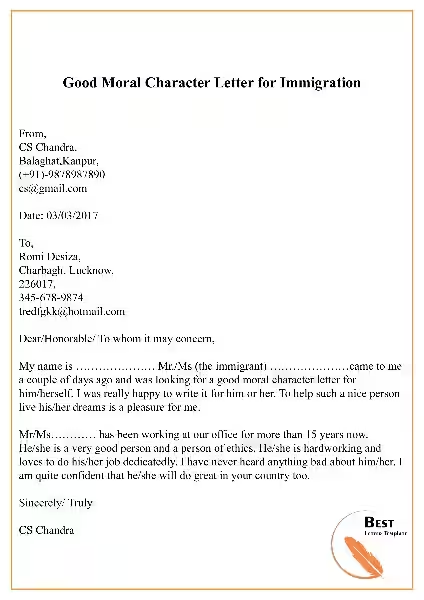
A strong character letter follows a structured format. It begins with an introduction detailing the writer's relationship to the applicant and the duration of their acquaintance. The body should meticulously detail the applicant's positive attributes and behaviors, backed by specific examples of work ethic, volunteerism, community involvement, and familial relationships. A conclusion reaffirms the applicant's good moral character, expresses willingness to provide further information, and includes the writer's contact details. Notarization, while not mandatory, can enhance credibility.
What Should I Do if I have Questions about GMC?
Consulting with an experienced immigration attorney is highly recommended to determine the need for a character letter and the best approach, ensuring the letter effectively supports the applicant's case. They can provide tailored advice based on the specific immigration application and the applicant's situation.
```