
Haitian TPS Update: Navigating the Shifting Landscape of Temporary Protected Status
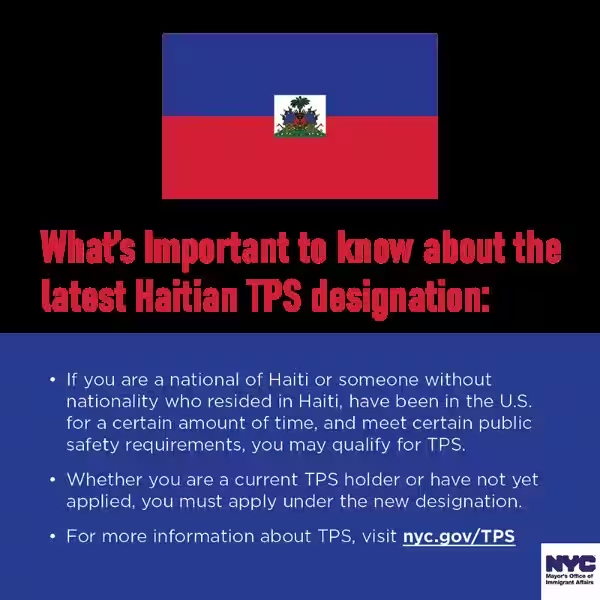
The US Citizenship and Immigration Services (USCIS) has recently announced a critical update regarding Temporary Protected Status (TPS) for Haitians, impacting those currently benefiting from the program and those seeking it. This Haitian TPS update necessitates careful attention and swift action to avoid potential legal pitfalls. Understanding the specifics is crucial for anyone affected by this change.
- Understanding the Partial Vacatur of Haiti TPS
- Re-Registration Periods: A Crucial Timeline
- Automatic EAD Extensions and the Re-Registration Requirement
- Filing Procedures and Form Requirements
- Protecting Yourself from Immigration Scams
- Impact on Asylum Seekers and the One-Year Deadline
-
Haitian TPS Update FAQ
- What is the update regarding Temporary Protected Status (TPS) for Haiti?
- What is the new re-registration period for existing TPS beneficiaries?
- What is the new re-registration period for new TPS applicants?
- How will existing Employment Authorization Documents (EADs) be affected?
- What about individuals previously granted TPS under the 2011 designation, subject to the Ramos litigation?
- How can I apply for TPS?
- What should I be aware of regarding form submission?
- What about immigration scams?
- How does this update affect potential asylum seekers?
- What is the overall goal behind this TPS update?
Understanding the Partial Vacatur of Haiti TPS
The USCIS announcement outlines a partial vacatur of the existing TPS designation for Haiti, shortening the previously extended 18-month period to a mere 12 months. This critical update, effective February 20, 2025, and culminating on August 3, 2025, significantly alters the re-registration process.
This significant shift in the TPS program highlights a potential tightening of the criteria for temporary protection. The 12-month extension marks a departure from the previous 18-month extension, reflecting a renewed focus on the temporary nature of TPS. This update is prompting discussions about the program's effectiveness and its potential misuse.
Re-Registration Periods: A Crucial Timeline
The revised TPS designation significantly impacts the re-registration window. Current TPS beneficiaries must re-register within a 60-day period, from July 1, 2024, to August 30, 2024. Failure to comply with this deadline could result in the termination of employment authorization and other TPS-related benefits. This shortened window is a key element of the Haitian TPS update, demanding immediate attention from those affected.
A new registration period has been established for new TPS applicants. This new registration process runs from July 1, 2024, to August 3, 2025, mirroring the shortened duration of the TPS designation itself. The USCIS strongly urges timely re-registration to maintain all associated benefits.
Automatic EAD Extensions and the Re-Registration Requirement
Existing Employment Authorization Documents (EADs) are automatically extended through August 3, 2025, for certain categories of Haiti TPS beneficiaries. However, this automatic extension does not guarantee continued validity beyond this date. To maintain EAD validity beyond the automatic extension, beneficiaries must re-register for TPS and file Form I-765, Application for Employment Authorization, during the designated re-registration period. This new EAD will have an expiration date corresponding to the conclusion of the 12-month extension on August 3, 2025.
This distinction between automatic extension and renewed EAD is a critical aspect of the Haitian TPS update that should be carefully understood. The re-registration process is not optional but rather essential for maintaining employment authorization.
Filing Procedures and Form Requirements
Applicants can file Form I-821, Application for Temporary Protected Status, online. Importantly, for those seeking Employment Authorization (EAD) alongside TPS, Form I-765 can be filed concurrently online.
Crucially, while online filing is available for many forms, fee waivers require paper applications. The USCIS has provided detailed mailing instructions based on location, differentiating between USPS and courier delivery methods. Thorough review of these instructions is essential to ensure timely and successful application submission.
Form Verification is Crucial: Carefully review each page of the form to ensure all documents are from the same edition to prevent application rejection. A common mistake is using documents from different versions of the form, so meticulously verifying form editions is essential.
Protecting Yourself from Immigration Scams
The USCIS notice also emphasizes the urgent need to be aware of immigration scams. Individuals seeking TPS should be wary of unqualified practitioners and ensure any legal assistance comes from a certified representative or attorney. Detailed resources are provided on the USCIS website for finding legitimate immigration advice and guidance.
The potential for exploitation within the Haitian TPS update era underscores the necessity of caution. Individuals should utilize official resources, including the USCIS website, to guide their decisions.
Impact on Asylum Seekers and the One-Year Deadline
The Haitian TPS update also has implications for potential asylum seekers. TPS status can sometimes extend the one-year deadline for filing an asylum claim. This aspect of the Haitian TPS update is especially pertinent for those considering their options.
This update provides crucial information for potential asylum seekers and clarifies the interplay between TPS status and the asylum process. It's essential to consult with legal professionals to ensure you understand your specific rights.
The USCIS announcement concerning Haiti's TPS designation demands meticulous attention to the shortened re-registration periods, automatic EAD extensions, updated filing procedures, and the potential for scams. This Haitian TPS update requires careful planning and proactive action to maintain employment authorization and other TPS-related benefits. Consulting with qualified immigration professionals is crucial for navigating this complex process successfully.
Haitian TPS Update FAQ
What is the update regarding Temporary Protected Status (TPS) for Haiti?
The U.S. Citizenship and Immigration Services (USCIS) has announced a partial vacatur of the Temporary Protected Status (TPS) designation for Haiti. This means the 18-month extension previously granted has been reduced to a 12-month extension, ending on August 3, 2025. Crucially, this impacts the re-registration process for both existing and new TPS applicants.
What is the new re-registration period for existing TPS beneficiaries?
The re-registration period for current TPS beneficiaries is a 60-day window from July 1, 2024, to August 30, 2024. Failure to re-register during this period could affect employment authorization documentation.
What is the new re-registration period for new TPS applicants?
The re-registration period for new TPS applicants is from July 1, 2024, to August 3, 2025.
Existing EADs are automatically extended through August 3, 2025, for certain categories of Haiti TPS beneficiaries. The specifics of which EADs are covered are detailed in the Federal Register notice. To maintain EAD validity beyond the automatic extension date, holders must re-register for TPS and file Form I-765 during the new registration period. The new EAD will expire on August 3, 2025.
What about individuals previously granted TPS under the 2011 designation, subject to the Ramos litigation?
Individuals previously granted TPS under the 2011 Haiti designation, subject to the Ramos litigation, had their TPS and related benefits terminated on June 30, 2024. For TPS renewals under the most recent designation, these individuals must re-register within the new guidelines.
How can I apply for TPS?
Applicants can file Form I-821, Application for Temporary Protected Status, online. Form I-765, Application for Employment Authorization, can be filed concurrently online if seeking employment authorization alongside TPS. Fee waivers are possible; however, fee waiver requests require submission of paper applications. Detailed mailing instructions, differentiating between USPS and courier delivery methods, are provided based on location.
What should I be aware of regarding form submission?
Applicants must ensure all form pages are from the same edition to prevent application rejection. Verify the edition of the forms before submission.
What about immigration scams?
Be wary of unqualified practitioners. Ensure any legal assistance is from a certified representative or attorney. Detailed resources are provided on the USCIS website for finding legitimate immigration advice and guidance.
How does this update affect potential asylum seekers?
Ongoing TPS status can extend the one-year deadline for filing an asylum claim.
What is the overall goal behind this TPS update?
The update aims to ensure TPS remains a temporary solution and not a pathway to permanent residency. This focuses on returning the program to its original purpose of temporary protection during times of crisis.