
Understanding the DEF Light Meaning: A Guide to Diesel Emission Systems
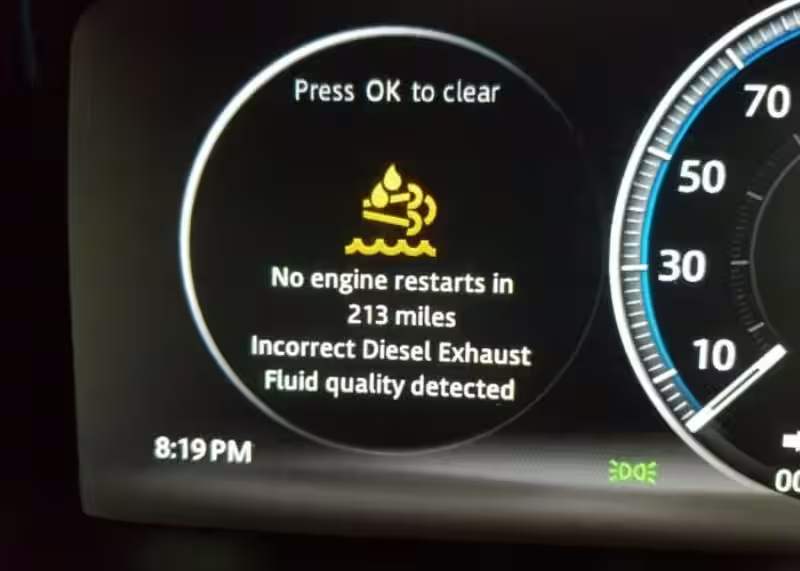
This article delves into the meaning of the DEF (diesel exhaust fluid) warning light, commonly referred to as the AdBlue light. Understanding this light is crucial for maintaining your diesel vehicle's performance and complying with emissions regulations. We will explore the possible causes of the illuminated DEF light, diagnostic tools, and preventative measures.
- What Does the DEF Light Indicate?
- Common Causes of the Illuminated DEF Light
- Diagnosing the Issue: Using Diagnostic Tools
- Preventative Maintenance and Proactive Measures
- Importance of Prompt Action
-
DEF Light Meaning: A Comprehensive FAQ
- What does the DEF light mean?
- What causes the DEF light to come on?
- How can I diagnose the problem?
- Why is an OBD device important?
- What are Diagnostic Trouble Codes (DTCs)?
- How do I clear the DTCs?
- What should I do if the DEF light comes on?
- What preventative measures can I take?
- How does low DEF fluid affect the vehicle?
- What are the potential consequences of ignoring the DEF light?
- How often should I refill the DEF tank?
- Can the DEF light come on for reasons other than low fluid or system malfunctions?
- Is it safe to drive with the DEF light on?
- What's the role of the DEF tank?
- Should I rely on DIY repairs for the DEF system?
- Where can I find information on DEF system maintenance for my specific vehicle?
What Does the DEF Light Indicate?
The DEF light, a crucial component of modern diesel vehicles, signifies a problem with the diesel exhaust fluid (DEF) system. This system is vital for reducing nitrogen oxide (NOx) emissions, a major contributor to air pollution. The DEF system injects DEF fluid into the exhaust stream, chemically transforming harmful NOx gases into less harmful substances. When the DEF light illuminates, it indicates a malfunction within this intricate system.
This crucial system is responsible for protecting the environment by reducing NOx emissions and maintaining optimal engine performance. A malfunctioning system, signaled by the DEF light, can lead to reduced engine efficiency and potentially damage other components if ignored.
Common Causes of the Illuminated DEF Light
The DEF light can illuminate for a variety of reasons, and understanding these possibilities is key to resolving the issue quickly. These are some of the most prevalent causes:
-
Low DEF Fluid Levels: The most straightforward cause of the DEF light is a low DEF fluid level in the vehicle's tank. This might be due to a leak or simply forgetting to refill the tank. Regular checks and proactive refills are essential preventative measures.
-
Faulty DEF Sensors: These sensors monitor the DEF system's performance. A malfunctioning sensor could trigger the warning light, potentially due to wiring issues or sensor failure. These problems can interfere with the proper functioning of the system, making repairs necessary.
-
Issues with DEF Injectors: DEF injectors are responsible for precisely injecting the DEF fluid into the exhaust stream. If clogs occur in these injectors or wiring problems arise, they can cause the DEF light to illuminate. These problems can impede the engine's performance.
-
System Malfunctions (Wiring Problems): Wiring issues within the DEF system can also lead to the DEF light activation. These problems can be subtle and challenging to diagnose, highlighting the importance of using diagnostic tools.
Diagnosing the Issue: Using Diagnostic Tools
Identifying the precise cause of the illuminated DEF light is crucial for effective repair. An on-board diagnostic (OBD) device, plugged into the vehicle's OBD-II port, is a valuable tool for this process. Using an OBD device allows you to access Diagnostic Trouble Codes (DTCs).
Understanding Diagnostic Trouble Codes (DTCs)
The OBD device's primary function is to retrieve stored DTCs. These codes are specific error messages generated and recorded by the vehicle's computer system when it detects a problem with the DEF system. These codes offer invaluable information about the precise nature of the malfunction, helping you pinpoint the specific problem, whether it's a low DEF level, a faulty sensor, or an issue with the injectors.
The codes are usually displayed in a format that can be interpreted, providing a clear picture of the problem. By understanding the codes, you can determine the necessary steps for repair, whether it involves simply refilling the DEF tank or more complex repairs.
Using the OBD Device Effectively
Using the OBD device properly involves connecting it to the vehicle's OBD-II port, which is often located under the dashboard or in the engine compartment. The device will then display the stored DTCs, which should be meticulously analyzed to determine the origin of the error.
By meticulously checking the codes, you can understand the specific component that requires attention, whether it is a faulty sensor, a wiring problem, or a lack of DEF fluid. Each DTC can provide a valuable clue for effective troubleshooting and repairs.
Preventative Maintenance and Proactive Measures
Regular maintenance is crucial in preventing DEF light activation. Proactive measures include:
-
Regular DEF Fluid Checks: Make it a habit to regularly check the DEF fluid level to ensure the tank is full. Low levels are a common cause of the DEF light issue. Note that def light meaning often stems from this easily preventable issue.
-
Professional Inspections: Schedule routine professional inspections of the entire DEF system. A qualified mechanic can identify potential problems early on, preventing major breakdowns.
-
Following the Manufacturer's Recommendations: Refer to your vehicle's owner's manual for recommended maintenance schedules, including DEF fluid refill intervals. Following these guidelines is essential for optimal performance and emissions control.
Importance of Prompt Action
Prompt diagnosis and repair of DEF system problems are vital for maintaining vehicle performance and meeting emissions standards. Ignoring the DEF light can lead to:
-
Reduced Engine Performance: A malfunctioning DEF system can negatively impact the engine's performance, leading to reduced fuel efficiency and overall power output.
-
Potential for Engine Damage: Prolonged or severe DEF system malfunctions can cause damage to other engine components, leading to costly repairs.
-
Violation of Emissions Standards: Failing to address DEF system issues can result in your vehicle not meeting emissions standards, potentially leading to fines or other penalties.
By understanding the def light meaning, taking proactive steps to maintain the DEF system, and using diagnostic tools effectively, you can keep your diesel vehicle running smoothly and avoid unnecessary costs and penalties.
DEF Light Meaning: A Comprehensive FAQ
What does the DEF light mean?
The DEF (diesel exhaust fluid) warning light, often labeled "AdBlue," indicates a problem with the vehicle's DEF system, which is essential for reducing nitrogen oxide (NOx) emissions in diesel engines. Its illumination typically signifies low DEF fluid levels or a malfunction within the system.
What causes the DEF light to come on?
The DEF light can illuminate due to several factors. These include: low DEF fluid levels (from leaks or insufficient refills), faulty DEF sensors (possibly due to wiring issues or sensor malfunction), and problems with the DEF injectors (like clogs or wiring problems).
How can I diagnose the problem?
An on-board diagnostic (OBD) device, connected to the vehicle's OBD-II port, is crucial for diagnosing the specific issue. The OBD device retrieves Diagnostic Trouble Codes (DTCs) stored in the vehicle's computer. These codes provide information about the precise system malfunction, helping pinpoint the problem (low DEF, faulty sensor, or injector malfunction).
Why is an OBD device important?
The OBD device is essential because it directly accesses the vehicle's computer system, providing detailed information about the DEF system's issues. This information is vital for accurate diagnosis, avoiding guesswork, and leading to the correct repair.
What are Diagnostic Trouble Codes (DTCs)?
Diagnostic Trouble Codes (DTCs) are specific error codes stored in the vehicle's computer system. These codes pinpoint the exact component or circuit within the DEF system that's malfunctioning.
How do I clear the DTCs?
Once the problem is diagnosed and resolved, the OBD device can be used to clear the DTCs and reset the system. This allows the vehicle's computer to return to normal operation, turning off the DEF light.
What should I do if the DEF light comes on?
If the DEF light illuminates, it's crucial to diagnose the problem promptly. Use an OBD device to identify the DTCs, which will help narrow down the cause. If the problem is a low DEF level, refill the tank. If the issue is more complex, seek professional inspection and repair.
What preventative measures can I take?
Regularly checking DEF fluid levels and undergoing professional inspections are essential preventative measures. Proactive maintenance, including timely DEF fluid refills, can significantly reduce the likelihood of the light activating and ensure optimal emissions control.
How does low DEF fluid affect the vehicle?
Low DEF fluid can lead to a malfunctioning DEF system, which can compromise the vehicle's emissions control system. This can affect engine performance and possibly trigger the DEF warning light.
What are the potential consequences of ignoring the DEF light?
Ignoring the DEF light could lead to more serious and costly repairs in the future. The vehicle's emissions control system might not function correctly, potentially leading to emissions violations and reduced vehicle performance.
How often should I refill the DEF tank?
Refilling the DEF tank should be done regularly, following the vehicle's recommended maintenance schedule. This is crucial for maintaining the DEF system's efficiency and preventing the DEF light from activating.
Can the DEF light come on for reasons other than low fluid or system malfunctions?
While low fluid and system malfunctions are common causes, other less frequent factors, like wiring problems or sensor issues, can also trigger the DEF warning light.
Is it safe to drive with the DEF light on?
Driving with the DEF light on is generally safe but can potentially impact the vehicle's emissions control system. It's important to diagnose and address the issue as soon as possible.
What's the role of the DEF tank?
The DEF tank stores the DEF fluid that's used by the DEF system to reduce NOx emissions. Maintaining adequate fluid in the tank is critical for the system's proper function.
Should I rely on DIY repairs for the DEF system?
While some minor issues, like low fluid levels, might be addressed by the owner, complex DEF system issues often require professional expertise. Consulting a qualified technician is recommended for accurate diagnosis and repair.
Where can I find information on DEF system maintenance for my specific vehicle?
Your vehicle's owner's manual or the manufacturer's website will provide specific information on DEF system maintenance procedures and recommended intervals.