
Can Undocumented Immigrants Travel Within the US? A Complex Journey
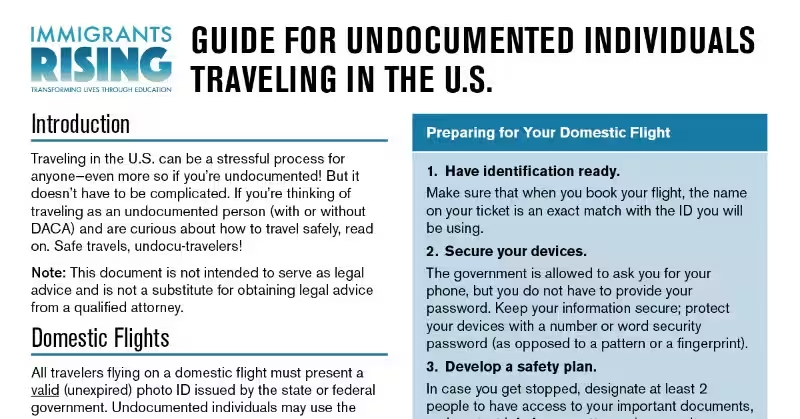
Navigating the complexities of travel within the United States as an undocumented immigrant presents unique challenges. While there's no explicit ban on travel, the reality is fraught with potential risks and logistical hurdles. Understanding these complexities is crucial for those considering such journeys.
- Understanding the Legal Landscape
- Air Travel: Navigating TSA and Beyond
- Ground Transportation and Border Checkpoints
- Travel to U.S. Territories and DACA Considerations
-
Essential Considerations for Safe Travel
- Can undocumented immigrants travel within the US?
- What are the potential risks associated with domestic travel for undocumented immigrants?
- What identification is required for air travel?
- What about ground transportation?
- What are the travel considerations for U.S. territories?
- What are my rights during interactions with authorities?
- What should I do if I'm unsure about my rights or risks?
Understanding the Legal Landscape
The legal landscape surrounding undocumented travel within the US is multifaceted and fluid. There is no single, definitive answer to the question of whether undocumented immigrants can travel freely. Instead, the answer hinges on numerous factors, including the specific state's immigration enforcement policies, the type of transportation, and the individual's specific circumstances.
Some states, like Oregon and Illinois, prioritize limiting local law enforcement's cooperation with Immigration and Customs Enforcement (ICE), which can lessen the risk of encounters with immigration officials. Other states, such as Florida and Texas, have policies that encourage cooperation with ICE, creating a higher potential for apprehension. Therefore, a crucial step for any undocumented traveler is researching the specific state laws and policies in the areas they plan to visit.
Air travel, while not impossible, presents a significant array of potential challenges. The Transportation Security Administration (TSA) requires valid identification for boarding. This can include state-issued photo IDs, driver's licenses, foreign passports, and USCIS Employment Authorization Cards. However, the upcoming REAL ID Act, implemented starting May 7, 2025, will likely increase hurdles for those using state-issued IDs that don't comply with stricter standards.
It's imperative to understand that undocumented immigrants are advised to remain silent during interactions with TSA or law enforcement and to avoid providing personal or immigration status information without legal counsel. Furthermore, TSA agents may involve law enforcement if they suspect prohibited items or if concerns arise about immigration status, even for domestic flights. This adds a layer of uncertainty for any undocumented traveler.
Ground Transportation and Border Checkpoints
Ground transportation, such as buses and trains, presents potential risks related to immigration checks. While local transit systems may not require photo identification, longer-distance travel often does. Undocumented individuals must be prepared for potential stops and questioning at Border Patrol checkpoints, particularly within a certain radius of the border and key checkpoints such as those in California. The right to remain silent and refuse searches is crucial during these interactions. Driving, too, carries inherent risks, and undocumented drivers should prioritize safety and legal compliance if and when stopped by law enforcement.
Travel to U.S. Territories and DACA Considerations
Traveling to U.S. territories like Puerto Rico or American Samoa presents unique challenges for undocumented individuals, especially those without Deferred Action for Childhood Arrivals (DACA) status. Maintaining valid DACA status during the entire travel period is critical to avoid potential issues upon returning to the US. This necessitates meticulous planning and careful consideration of the risks involved.
Essential Considerations for Safe Travel
The practical advice for undocumented travelers is multifaceted:
- Research: Thoroughly research state-level immigration enforcement policies in each state you plan to visit. Utilize resources like the ILRC's state map.
- Identification: Understand the specific requirements for the TSA and any potential issues regarding REAL ID compliance, which will be more stringent in the coming years.
- Avoidance: Avoid flying with certain California-specific driver's licenses, like AB 60, due to inconsistent TSA acceptance.
- Documentation: Carry necessary documentation and prepare for potential immigration checks at airports and border checkpoints.
- Silence: Exercise the right to remain silent and avoid providing personal or immigration status information without legal counsel.
- Legal Counsel: Seek advice from a qualified immigration attorney before any travel.
Crucially, this guide is not legal advice. It’s essential to consult with an immigration attorney to understand your specific rights and obligations.
In conclusion, while undocumented immigrants can naturally travel within the US, it's a process riddled with potential risks and complexities. Thorough research, awareness of rights, and careful planning are essential to mitigate these risks.
```markdown
Can undocumented immigrants travel within the US?
Undocumented immigrants can travel within the United States, but they face significant legal and logistical challenges. This FAQ aims to provide clarity and guidance, emphasizing that this information should not be construed as legal advice, and consulting with an immigration attorney is strongly recommended.
What are the potential risks associated with domestic travel for undocumented immigrants?
While there's no explicit federal ban on domestic travel for undocumented immigrants, risks exist. Varying state-level immigration enforcement policies create significant disparities in the level of scrutiny faced by travelers. Some states, like Oregon and Illinois, have policies limiting local law enforcement's cooperation with Immigration and Customs Enforcement (ICE), while others, like Florida and Texas, may have policies requiring cooperation. This means the risk of encountering immigration officials and potential detention or apprehension varies considerably depending on the state and region of travel. Border Patrol checkpoints, particularly within a certain radius of the border or major checkpoints like those in California, can increase the risk of stops and questioning.
What identification is required for air travel?
TSA requires valid identification for air travel, including state-issued photo IDs, driver's licenses, foreign passports, and USCIS Employment Authorization Cards. However, the upcoming REAL ID Act, effective May 7, 2025, mandates specific compliance for individuals using state-issued IDs, potentially increasing challenges for undocumented immigrants. It's crucial to research specific state laws and the potential acceptance of certain documents at airports. Avoid flying with certain California driver's licenses (like AB 60), which may not be consistently accepted by TSA.
What about ground transportation?
Undocumented travelers using buses or trains may encounter immigration checks. The right to remain silent and refuse searches applies here. While some local transit systems might not require photo identification, longer-distance travel often does. Drivers should prioritize safety and legal compliance when stopped by law enforcement or immigration officials.
What are the travel considerations for U.S. territories?
Undocumented immigrants traveling to U.S. territories, especially those without Deferred Action for Childhood Arrivals (DACA) status, face potential risks. Valid documentation and meticulous planning are crucial to avoid complications, including potential issues upon return. Ensuring DACA validity throughout the entire travel period is essential to avoid unexpected problems.
It's essential to understand your rights during interactions with TSA, law enforcement, or immigration officials. The right to remain silent and refusal to provide information about immigration status without legal counsel are critical. Document all interactions with authorities. Thorough investigation of local regulations, and expert legal advice, are essential before any travel.
What should I do if I'm unsure about my rights or risks?
Seek legal counsel from a qualified immigration attorney. They can provide personalized guidance based on individual circumstances and current laws. Consulting with an immigration professional is crucial for navigating the complexities of travel for undocumented individuals.
```