
Controlling Immigration: A Global Perspective
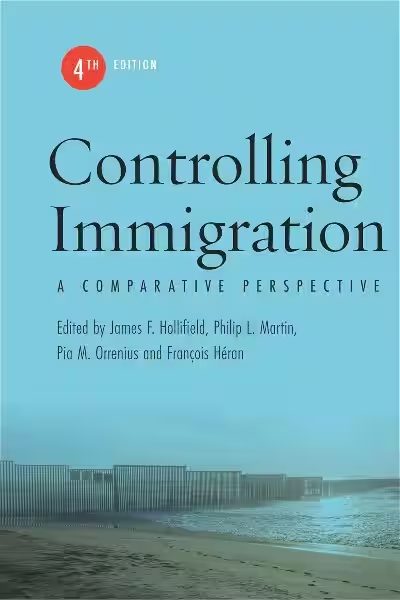
Controlling immigration is a complex issue with no easy answers. Nations worldwide grapple with balancing the economic benefits of immigration with the social and political challenges it presents. This article explores the diverse approaches taken by different countries, highlighting the inherent dilemmas and the influence of historical context, political trends, and global events.
- The Diverse Approaches to Immigration Management
- The Legacy of Colonialism and its Impact
- Social Democracies and the Welfare State
- The Southern European Experience
- The Rise of Populism and Nativism
- Controlling Immigration: Finding a Balance
-
Frequently Asked Questions: Controlling Immigration
- What are the key dilemmas in balancing immigration control with successful immigrant integration?
- How do different national approaches to immigration control compare?
- What is the impact of political trends, such as populism and nativism, on immigration policies?
- How have global events, such as the COVID-19 pandemic, affected migration patterns and national responses?
- What are the economic considerations in managing immigration?
- What role does successful immigrant integration play in effective immigration management?
The Diverse Approaches to Immigration Management
Immigration policies vary dramatically across the globe, reflecting diverse national histories, cultures, and political priorities. Some countries, like Canada and Australia, have historically relied on immigration to fuel economic growth and population expansion. Their systems often prioritize skilled workers and family reunification, with relatively streamlined processes for legal immigration.
These countries often employ a points-based system to assess potential immigrants based on factors such as education, job skills, and language proficiency. This approach aims to select immigrants who are likely to contribute positively to the economy and integrate successfully into society. However, even these systems face challenges in predicting long-term integration and managing the potential strain on social services.
The Legacy of Colonialism and its Impact
Former imperial powers, such as France, Britain, and the Netherlands, face unique challenges in managing immigration. Their colonial pasts have left legacies of complex relationships with former colonies, often resulting in significant immigration from these regions. This creates a dynamic where the historical context significantly shapes current immigration flows and the national response to them.
These nations often grapple with balancing their historical ties with practical considerations of managing immigration flows, resources, and societal integration. The challenge lies in creating immigration policies that are both fair and effective, while addressing the lasting impacts of colonialism on societal structures and attitudes.
Social democracies in Scandinavia and Germany exemplify a different approach to managing immigration. These countries have long-standing welfare states that provide extensive social services to their citizens. Integrating immigrants into these systems presents both economic and social complexities.
The integration of immigrants into pre-existing social safety nets requires careful planning and resource allocation. These countries must balance the potential costs of supporting immigrants with the economic contributions they bring. Furthermore, maintaining social cohesion and avoiding social friction in the face of increasing diversity is a constant challenge.
The Southern European Experience
Southern European countries, such as Italy, Spain, and Greece, have experienced significant changes in their immigration patterns in recent decades. These countries, often facing economic challenges, have had to adapt to managing newfound diversity. The experience of controlling immigration in the context of the highly integrated European Union presents unique complexities.
The free movement of people within the EU has presented significant challenges for these nations, as they struggle to balance national sovereignty with EU-wide migration policies. This has led to debates about border control, the distribution of resources, and the impact of EU-wide directives on national immigration strategies.
The Rise of Populism and Nativism
The past two decades have witnessed a rise in populist and nativist movements in many countries. These movements often advocate for stricter immigration controls, fueled by concerns about national identity, economic competition, and security. This has led to significant shifts in immigration policy in some regions.
The political influence of these movements has resulted in the implementation of more restrictive immigration policies in numerous countries. This includes increased border security, stricter visa requirements, and limitations on family reunification. The impact of such policies on successful immigrant integration is a subject of ongoing debate.
The Impact of Global Events
Global events, such as the COVID-19 pandemic, have profound and unpredictable impacts on migration patterns and national responses to them. The pandemic caused disruptions in global migration flows, but also resulted in new challenges, such as surges in asylum seekers fleeing conflict or economic hardship.
The pandemic highlighted the interconnectedness of the world and underscored the need for international cooperation in managing global migration. It also forced many countries to reassess their immigration policies and preparedness for unexpected crises. This included the need for more flexible and adaptable approaches to managing immigration flows and integrating diverse populations.
Controlling Immigration: Finding a Balance
Controlling immigration is not merely about restricting entry; it's about finding a balance. Successfully managing immigration requires a holistic approach that considers economic needs, social integration, and national security. This requires nuanced policies that address the diverse challenges, while respecting human rights and fostering inclusive societies. A comprehensive strategy needs to consider:
- Economic impact assessment: Understanding the potential contributions and costs of immigration on the economy is crucial.
- Integration programs: Effective programs that support immigrants in learning the language, finding employment, and accessing social services are essential for successful integration.
- Border security: Maintaining secure borders while ensuring humane treatment of asylum seekers and refugees is a delicate balance.
- Public discourse: Open and informed public discourse is necessary to address misconceptions and promote understanding.
Ultimately, successful strategies for controlling immigration will vary depending on individual national circumstances. However, the common thread is the need for a balanced approach that prioritizes both national interests and the well-being of immigrants. Ignoring either aspect leads to unsustainable policies and social rifts. The ongoing challenge lies in finding a path forward that accommodates both the needs of the nation and the rights and aspirations of those seeking new opportunities within its borders.
Frequently Asked Questions: Controlling Immigration
Here are some frequently asked questions about controlling immigration, based on a comparative analysis of various national policies and their effectiveness:
What are the key dilemmas in balancing immigration control with successful immigrant integration?
Many countries struggle to find the right balance between managing immigration flows and ensuring that immigrants successfully integrate into society. Strict control measures can hinder economic benefits and social enrichment, while overly permissive approaches may overwhelm social services and create social tensions. The optimal balance varies greatly depending on a nation's history, culture, economic needs, and existing social support systems. This challenge is central to the ongoing debate about immigration policies worldwide.
How do different national approaches to immigration control compare?
The book examines a diverse range of national approaches. "Settler societies" like the US, Canada, Australia, and New Zealand, historically reliant on immigration, often have more established systems, yet still face challenges. Former imperial powers (France, Britain, Netherlands) grapple with legacies of colonialism influencing current immigration patterns and societal integration. Social democracies (Germany, Scandinavia) navigate the complexities of maintaining welfare states while managing the economic and social impacts. Southern European countries (Italy, Spain, Greece), experiencing newer waves of immigration within the EU, face unique pressures related to border control and national sovereignty. These diverse approaches highlight the lack of a single "best" model.
What is the impact of political trends, such as populism and nativism, on immigration policies?
The rise of populism and nativism significantly influences immigration policies globally. These movements often advocate for stricter controls, fueled by anxieties about national identity, economic competition, and cultural change. This can lead to policies that prioritize border security over integration efforts, potentially hindering successful assimilation and creating social divisions. The book analyzes how these political trends shape policy decisions and their consequences.
How have global events, such as the COVID-19 pandemic, affected migration patterns and national responses?
Global events dramatically affect migration patterns and government responses. The COVID-19 pandemic, for example, led to border closures, travel restrictions, and a disruption of established migration routes. Simultaneously, it resulted in a surge of asylum seekers in some regions, placing further strain on resources and integration efforts. The pandemic highlighted the interconnectedness of global migration with national responses to health crises, underscoring the need for flexible and adaptable immigration policies.
What are the economic considerations in managing immigration?
The economic impact of immigration is complex and varies depending on the skills and qualifications of immigrants, the absorptive capacity of the labor market, and government policies. While immigration can contribute to economic growth by filling labor shortages, increasing productivity, and boosting innovation, it can also place strains on social services and infrastructure if not managed effectively. This requires careful policy design to maximize economic benefits and mitigate potential negative impacts.
What role does successful immigrant integration play in effective immigration management?
Successful immigrant integration is crucial for effective immigration management. It reduces social tensions, fosters economic contributions, and strengthens social cohesion. Integration strategies vary greatly, encompassing language training, job placement assistance, civic education, and policies promoting social inclusion. The book highlights that the success of immigration management is intrinsically linked to policies that facilitate smooth and effective integration.