
Not Fit for Our Society? Immigration and Nativism in America
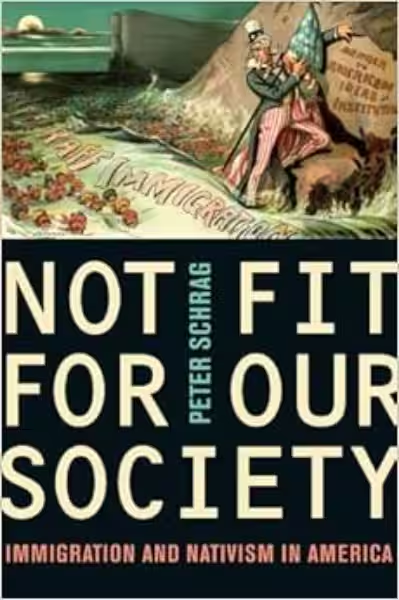
Is the current discourse around immigration in America truly reflective of the complexities of the issue? Or does it fall prey to harmful stereotypes and anxieties, often rooted in nativism? This article explores the multifaceted nature of immigration in the United States, aiming to foster a more nuanced understanding of the challenges and opportunities it presents.
- Defining the Terms: Immigration and Nativism
- Historical Roots of Nativism in America
- The Economic Impact of Immigration
- The Social and Cultural Dimensions
- Policy Considerations: Striking a Balance
- The Role of Media and Public Discourse
- Challenges and Opportunities: Looking Forward
- Key Questions to Consider
- Potential Solutions
-
FAQ: Immigration and Nativism in America
- What is Nativism?
- What are the historical roots of nativism in America?
- How does nativism relate to immigration policy?
- What are the economic impacts of immigration on American society?
- How has immigration shaped American culture?
- What are the ethical considerations of immigration policies?
- What are the arguments for and against immigration restrictions?
- What are some examples of historical nativism?
- What role does nativism play in contemporary politics?
- How can we address the issues of nativism in American society?
- Are immigrants a net benefit or detriment to the economy?
- What is the relationship between nativism and xenophobia?
Defining the Terms: Immigration and Nativism
Immigration, at its core, is the movement of individuals across borders to settle in a new country. It's a fundamental aspect of human history, often driven by a variety of factors, including economic opportunity, political instability, and personal aspirations. Nativism, conversely, is a political ideology that prioritizes the interests of native-born citizens over those of immigrants. It frequently manifests as a fear and suspicion of foreigners and often relies on scapegoating for societal problems.
Understanding these two concepts is crucial to having a productive discussion about immigration. Nativism often fuels the rhetoric of "not fit for our society," a phrase laden with bias and harmful stereotypes. Examining the historical context and societal anxieties that underpin such pronouncements is essential to fostering a more inclusive and informed dialogue.
Historical Roots of Nativism in America
Throughout American history, waves of immigration have spurred nativism. From the Irish and German immigrants in the 19th century to the Chinese Exclusion Act and later waves of immigration from various parts of the world, societal anxieties about newcomers have manifested in restrictive policies and discriminatory practices. These anxieties were often fueled by economic fears, cultural differences, and a desire to maintain a perceived “American” identity.
The economic climate of a particular time, the perceived cultural and religious differences of immigrant groups, and the prevailing political climate all play a role in the manifestation of nativism. Examining these historical precedents provides valuable insight into the ongoing debate. Understanding these historical factors is crucial to recognize how fear and prejudice, rather than rational analysis, often drive these narratives.
The Economic Impact of Immigration
Immigrants contribute significantly to the American economy in various ways. They fill labor shortages, start businesses, and pay taxes. There are, however, nuanced perspectives from different sectors of society about the effects of immigration on wages and employment opportunities.
While some research suggests that immigration can put downward pressure on wages for certain low-skilled workers, other research highlights the role immigrants play in entrepreneurship and economic growth. Examining these competing perspectives is important to building a more balanced understanding of the economic impact of immigration.
Immigration brings about significant social and cultural transformations. The introduction of new cultural traditions, languages, and perspectives enriches American society. However, these changes can also lead to social tensions and anxieties. It is important to acknowledge that assimilation and integration are complex processes that take time and effort from all parties.
Maintaining a balance between celebrating cultural diversity and addressing potential social challenges is a key aspect of creating a successful immigrant integration process. Promoting programs that foster intercultural understanding and addressing potential tensions between established communities and newcomers are essential for creating a more inclusive and harmonious environment.
Policy Considerations: Striking a Balance
Immigration policy in America is a complex issue with a variety of perspectives. Some advocate for stricter border controls and more restrictive immigration policies, while others call for more open and welcoming approaches. Finding a balance between national security concerns, economic needs, and humanitarian obligations is a critical challenge.
Effective policies should consider the needs of both immigrants and the existing population. A balanced approach must address issues such as pathways to citizenship, integration programs, and the potential for economic competition among different segments of society.
The Role of Media and Public Discourse
The media plays a significant role in shaping public perception of immigration. Media portrayals can either foster understanding and compassion or contribute to fear and prejudice. A critical examination of media narratives is essential for moving toward a more balanced and informed public discourse.
Promoting accurate and nuanced reporting, featuring voices from diverse perspectives, and addressing misinformation can foster a more nuanced and inclusive conversation about immigration.
Challenges and Opportunities: Looking Forward
Immigration, like all processes of social and political change, presents a variety of challenges and opportunities. Addressing the concerns of both native-born citizens and immigrants can be achieved through collaborative efforts.
Creating a more welcoming and inclusive environment for immigrants while fostering a sense of belonging and safety for all members of society is essential.
Key Questions to Consider
- How can we balance national security concerns with humanitarian obligations?
- How can we address potential economic anxieties related to immigration?
- What are the most effective approaches to integrate immigrants into society?
- How can we promote a more tolerant and understanding public discourse?
Naturally stemming from these complexities, the debate around immigration often touches on deeply held values and beliefs about national identity and belonging. Finding common ground and fostering empathy are crucial for navigating these complex issues. This is not about a simple, one-sided answer but rather about understanding the various perspectives and promoting a more inclusive, informed, and welcoming society.
Potential Solutions
- Education and Awareness: Increased educational opportunities about different cultures and immigrant experiences.
- Community Outreach: Targeted programs that connect immigrants with existing communities.
- Economic Development: Focused programs that support immigrant entrepreneurship.
- Policy Reform: Creating fair and equitable immigration policies that address the needs of all.
Immigration is a dynamic and multifaceted topic that requires continuous examination and adaptation. By acknowledging the historical context, recognizing the economic realities, and addressing the social and cultural dimensions, we can work toward a more productive and inclusive dialogue that benefits both immigrants and native-born Americans.
FAQ: Immigration and Nativism in America
This FAQ addresses frequently asked questions about immigration and nativism in America, drawing on scholarly research and perspectives. Please note that this information is for educational purposes and does not constitute legal or policy advice.
What is Nativism?
Nativism in America is a political ideology characterized by the belief that native-born citizens are superior to immigrants and that immigration should be restricted. It often involves hostility, prejudice, and discrimination against immigrants, with proponents arguing for preserving the cultural and social characteristics of the existing population. The historical record shows that nativism has manifested in various forms throughout American history, responding to changing demographics and economic conditions.
What are the historical roots of nativism in America?
Nativism has appeared in various waves throughout American history. Early examples include opposition to Irish and German immigrants in the 19th century, followed by anti-Chinese sentiment and restrictions. These periods coincided with economic downturns and concerns about cultural change. More recent expressions of nativism are connected to anxieties about national identity and security, often fueled by political rhetoric.
How does nativism relate to immigration policy?
Nativist sentiments have often influenced immigration policy in the U.S. From quotas and restrictions to debates on border security, the desire to control immigration flow has been a recurring theme. This includes the prioritization of certain nationalities or skills over others and the implementation of policies that favor certain groups over others.
What are the economic impacts of immigration on American society?
Scholarly research offers varied perspectives on the economic impacts of immigration. Some research suggests that immigration can contribute to economic growth by filling labor shortages, fostering innovation, and increasing consumer spending. Other studies highlight potential negative impacts, such as wage stagnation for some low-skilled workers and increased competition for certain jobs. The overall economic effect remains a complex and contested subject.
How has immigration shaped American culture?
Immigration has been a powerful force in shaping American culture. Newcomers introduce diverse traditions, languages, and perspectives, enriching American society and contributing to its dynamism. However, this cultural exchange can also lead to social tensions and conflicts between various groups as they navigate integration and adaptation.
What are the ethical considerations of immigration policies?
Ethical considerations regarding immigration policies are multifaceted. Issues such as human rights, humanitarian concerns, and the equitable treatment of all individuals, regardless of their origin, are central to these debates. Scholars and policymakers grapple with balancing national interests with global responsibilities and ethical principles.
What are the arguments for and against immigration restrictions?
Arguments for immigration restrictions often center on concerns about national security, the strain on social services, and economic competition. Arguments against restrictions often emphasize the economic contributions of immigrants, the humanitarian responsibilities of developed nations, and the cultural enrichment that immigration brings.
What are some examples of historical nativism?
Historical examples include the Chinese Exclusion Act, the Immigration Act of 1924, and various anti-immigrant movements that have emerged throughout American history.
What role does nativism play in contemporary politics?
Nativist sentiments continue to play a role in contemporary American politics, often amplified in public discourse and contributing to policy debates. This is particularly relevant in the context of discussions about border security, refugee resettlement, and the overall integration of immigrants.
How can we address the issues of nativism in American society?
Addressing nativism requires a multi-faceted approach that includes promoting education and understanding of different cultures, fostering dialogue among diverse groups, and combating discriminatory attitudes and actions through various means.
Are immigrants a net benefit or detriment to the economy?
The impact of immigration on the economy is a complex issue with varying perspectives. Some research indicates positive economic contributions, while others point to potential negative impacts on certain segments of the population. The overall effect is debated in scholarly circles.
What is the relationship between nativism and xenophobia?
Nativism and xenophobia are often intertwined. Nativism can manifest as xenophobia, or fear and hatred of foreigners, which often fuels anti-immigrant sentiment.
These FAQs should be considered as a starting point for further exploration and deeper research into the complex subject of immigration and nativism in America.