
EAD vs. Green Card: Navigating the US Immigration Maze
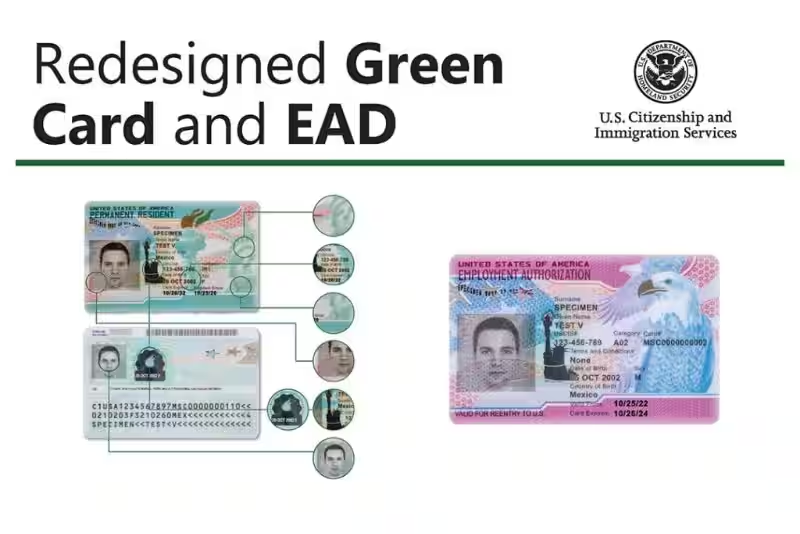
Is the journey to lawful employment in the US as straightforward as obtaining a work visa or a green card? Navigating the complexities of immigration can feel like a maze, with different pathways leading to various outcomes. Understanding the crucial differences between an Employment Authorization Document (EAD) and a green card is essential for anyone seeking to work legally in the United States, or perhaps just planning their next steps in the process.
- Understanding the Fundamental Differences
- EAD Categories: Variety and Purpose
- Recent Updates and Processing Times
- Key Differences Summarized
- Renewal, Replacement, and Potential Pitfalls
- The Importance of Proactive Planning
-
EAD vs. Green Card FAQ
- What is an Employment Authorization Document (EAD)?
- What is a Green Card?
- What are the key differences between an EAD and a Green Card?
- When might I need an EAD?
- How long does it typically take to process an EAD?
- What are the renewal procedures for an EAD?
- Can I sponsor family members with an EAD?
- What are the potential consequences of an expired or incorrect EAD?
- What are the differences between regular EADs and EADs associated with green card applications?
- Can I work legally in the US without an EAD?
Understanding the Fundamental Differences
An EAD and a green card, both issued by the U.S. Citizenship and Immigration Services (USCIS), represent different stages and types of immigration status. A green card signifies permanent residency, encompassing work authorization, the freedom to travel internationally, and the opportunity to sponsor family members. On the other hand, an EAD is a temporary work permit, usually granted while someone awaits permanent residency, or linked to a specific non-immigrant visa status. This temporary nature is a key distinction. The EAD's validity hinges on the underlying immigration status; if that status changes or expires, the EAD becomes void.
The difference lies not only in the duration of authorization but also in the inherent rights and potential future possibilities offered by each document. A green card opens doors to a wide range of opportunities, including unrestricted work, permanent residence, and the potential for citizenship. An EAD, while allowing work authorization, is more limited in scope, often connected to specific immigration processes. This difference is crucial to understanding the long-term implications of each document.
EAD Categories: Variety and Purpose
EADs aren't a single entity; they come in different categories, each tied to specific immigration circumstances. Green card-based EADs are issued to expedite work authorization while a green card application is being processed, a critical tool in situations where processing times are extended. These expedite the process, allowing individuals to work legally while their green card application languishes.
Regular EADs, on the other hand, are granted to individuals holding non-immigrant visas, such as asylum seekers, students (F-1 and M-1), specific exchange visitors, and some family-based visa holders (like K visas). Eligibility for a regular EAD isn't automatic and necessitates careful consideration of individual circumstances, in conjunction with legal counsel to ensure you're in compliance with immigration laws. The process is highly dependent on specifics.
Recent Updates and Processing Times
The USCIS has recently updated renewal timelines for eligible EAD applicants. The standard timeframe for renewal is now 180 days. However, processing times can vary significantly depending on the USCIS service center handling the application and the applicant's specific category. An H4-based application, for example, might experience markedly different processing times compared to an asylum application. Consulting the USCIS Processing Time Checker provides tailored estimates based on these factors, emphasizing the personalized nature of EAD processing.
Proactive strategies, such as requesting expedited processing and consulting with immigration attorneys, are frequently necessary if processing times exceed average estimations. This proactive approach can help applicants avoid gaps in employment authorization. The system is clearly complex, emphasizing the importance of staying informed and seeking professional guidance when necessary.
Key Differences Summarized
A green card grants permanent residency, unrestricted work authorization, and the potential to sponsor family members. In contrast, an EAD provides temporary work authorization, often dependent on a specific immigration status. This fundamental difference in purpose and scope directly impacts the rights and responsibilities associated with each document. A crucial distinction is the permanent nature of the green card, versus the temporary, contingent nature of the EAD.
| Feature | EAD | Green Card |
|---|---|---|
| Status | Temporary work authorization | Permanent residency |
| Work Authorization | Tied to specific immigration status | Unrestricted |
| Travel | Potentially restricted, depending on status | Unrestricted |
| Family Sponsorship | Generally not permitted | Permitted (spouse and unmarried children) |
| Citizenship | Does not confer citizenship | Potentially leads to citizenship |
| Renewal | Requires adherence to specific timelines | No direct renewal, but requires continuous legal residence |
Renewal, Replacement, and Potential Pitfalls
Understanding the renewal and replacement processes for both EADs and green cards is crucial. Missed renewal deadlines can result in significant employment authorization gaps, hindering work and potentially causing legal problems. Similarly, misplaced or lost documents should be promptly addressed to avoid further complications.
Lost, stolen, or damaged EADs, along with incorrect information, necessitate filing a new Form I-765, paying the required fee, and providing supporting documentation. Understanding these steps is essential for avoiding disruptions in employment authorization. Moreover, the intricacies of the USCIS error correction process, including specific procedures for different types of errors, should be understood to avoid unnecessary delays.
The Importance of Proactive Planning
Green card processing times often experience significant backlogs, leading to substantial delays. This underscores the importance of proactive planning. Consulting with immigration attorneys early in the process can provide valuable guidance and strategies for navigating potential delays. Alternative options, such as applying for non-immigrant visas or regular EADs, provide interim solutions. A well-informed approach is crucial for navigating these often bureaucratic procedures.
This underscores the necessity of staying informed, understanding the nuances of the process, and seeking professional guidance when needed. The immigration system is multifaceted and requires careful attention to detail.
This article provides a comprehensive overview of the key differences between EADs and green cards, highlighting the significance of each document in the context of the U.S. immigration system. Remember, seeking professional legal counsel is strongly recommended for personalized guidance throughout the process.
EAD vs. Green Card FAQ
This FAQ addresses key differences between Employment Authorization Documents (EADs) and Green Cards, both crucial in the US immigration process.
An EAD is a temporary work permit issued by the Department of Homeland Security. It allows non-US citizens to legally work in the US, typically while they are awaiting a green card or maintaining a specific non-immigrant status. EADs are tied to a specific immigration status and expire if that status changes or ends.
What is a Green Card?
A green card signifies permanent residency in the US. It allows unrestricted work authorization, international travel, and the ability to sponsor family members for immigration. It is a pathway towards US citizenship.
What are the key differences between an EAD and a Green Card?
An EAD is temporary work authorization linked to a specific immigration status. A Green Card grants permanent residency and unrestricted work authorization. A Green Card allows for international travel and family sponsorship, while an EAD does not. A Green Card is a pathway to citizenship, while an EAD is not.
When might I need an EAD?
You might need an EAD if you are:
- Awaiting a green card application decision: An EAD can provide temporary work authorization while your green card application is being processed.
- A non-immigrant visa holder: Depending on your visa type, you might need an EAD for work authorization.
- An asylum seeker or refugee: Certain individuals granted asylum or refugee status might receive an EAD.
- A student: Some student visa holders (F-1, M-1) may need an EAD for employment.
- A family-based visa holder: Some family-based visa holders (e.g., K visas) may require an EAD.
How long does it typically take to process an EAD?
Processing times vary significantly depending on the USCIS service center and your specific immigration status. It's essential to consult the USCIS Processing Time Checker for personalized estimates. Generally, processing times can be around 30 days (plus USPS mailing time).
What are the renewal procedures for an EAD?
You should apply for EAD renewal at least 180 days before its expiration date to avoid any gaps in employment authorization. If your EAD has expired, you need to file a new Form I-765. If lost, stolen, or damaged, file a new Form I-765. If there is an error on your EAD, use the online service request portal or mail a letter to the designated USCIS address with the corrected information and the incorrect card.
Can I sponsor family members with an EAD?
No, an EAD does not allow for family sponsorship. Only a Green Card holder can sponsor family members for immigration.
What are the potential consequences of an expired or incorrect EAD?
An expired or incorrect EAD may result in fines, legal issues for non-compliance, and potentially a temporary or permanent inability to work in the US.
What are the differences between regular EADs and EADs associated with green card applications?
Regular EADs are for non-immigrant status; green card-based EADs are issued to expedite work authorization while a green card application is pending. The latter is often necessary when green card processing faces significant delays.
Can I work legally in the US without an EAD?
No. While some visa holders are authorized to work incident to their status, and it's detailed on their I-94 form, many others need a separate EAD. Verify your specific visa type and requirements with USCIS or an immigration attorney.
These answers are for informational purposes only and should not be considered legal advice. Consult with an immigration attorney for personalized guidance.