
Motion to Dismiss for Lack of Subject Matter Jurisdiction Sample
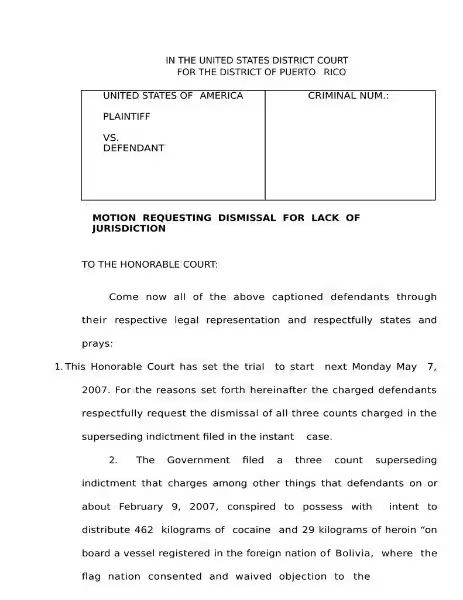
Is your lawsuit facing a potential dismissal? Understanding a motion to dismiss for lack of subject matter jurisdiction is crucial for any litigant. This article provides a sample framework and explanation, guiding you through the key components and considerations.
- Understanding Subject Matter Jurisdiction
- Key Elements of a Motion to Dismiss
- Sample Motion to Dismiss for Lack of Subject Matter Jurisdiction
-
Important Considerations
- Frequently Asked Questions about Motion to Dismiss for Lack of Subject Matter Jurisdiction
- What is a Motion to Dismiss for Lack of Subject Matter Jurisdiction?
- When Might a Court Lack Subject Matter Jurisdiction?
- What are the Key Elements of a Motion to Dismiss for Lack of Subject Matter Jurisdiction?
- What is the Difference Between Lack of Subject Matter Jurisdiction vs. Lack of Personal Jurisdiction?
- How is a Motion to Dismiss for Lack of Subject Matter Jurisdiction Filed?
- What Happens if the Motion is Granted?
- What if the Motion is Denied?
- What is a Sample Motion to Dismiss for Lack of Subject Matter Jurisdiction?
Understanding Subject Matter Jurisdiction
Subject matter jurisdiction is the court's power to hear a specific type of case. It's not simply about the location of the dispute, but whether the court has the authority to adjudicate the legal issues raised. If a court lacks subject matter jurisdiction, it's powerless to proceed with the case, even if the parties agree. This difference is critical, as a lack of personal jurisdiction might allow a case to proceed with the right parties brought before the court. A lack of subject matter jurisdiction means the court has no authority to hear the case at all.
This means the court must have the legal authority to hear the claims of the lawsuit. Naturally, this power is granted based on the specific nature of the claim brought forth. If the court lacks jurisdiction, any decisions rendered will be null and void. Therefore, ensuring subject matter jurisdiction is established at the outset is essential for the validity of the entire legal process. A thorough understanding of the specific legal framework for the jurisdiction is an invaluable tool when assessing the admissibility of a lawsuit.
Key Elements of a Motion to Dismiss
A motion to dismiss for lack of subject matter jurisdiction typically argues that the court lacks the power to hear the case due to the nature of the claims. It's a critical procedural tool that can significantly impact the trajectory of a lawsuit. The motion asserts that the court is not equipped to adjudicate the issues presented.
This usually involves demonstrating that the case falls outside the court's designated powers, based on the relevant statutes and constitutional provisions. The argument focuses on the court's authority over the specific legal claims and the type of relief requested. Properly structuring the motion to dismiss is critical, as it outlines the specific grounds for dismissal. Ensuring all necessary legal arguments and supporting documentation is presented is paramount.
Sample Motion to Dismiss for Lack of Subject Matter Jurisdiction
[Court Name]
Case Name: [Case Name]
Case Number: [Case Number]
MOTION TO DISMISS FOR LACK OF SUBJECT MATTER JURISDICTION
1. Introduction
This motion is brought by [Defendant Name(s)] ("Defendant(s)") to dismiss the Complaint filed by [Plaintiff Name(s)] ("Plaintiff(s)") for lack of subject matter jurisdiction.
2. Grounds for Motion
The Court lacks subject matter jurisdiction because [briefly state the jurisdictional grounds, e.g., the dispute does not exceed the statutory amount in controversy; the case does not fall under the court's diversity jurisdiction].
3. Supporting Arguments
- Argument 1: [Specific argument, citing relevant statutes or case law, e.g., the amount in controversy does not meet the statutory requirement for diversity jurisdiction].
- Argument 2: [Specific argument, citing relevant statutes or case law, e.g., the nature of the dispute falls outside the court's jurisdiction under the relevant statutes].
- Argument 3: [Specific argument, citing relevant statutes or case law; e.g., the court lacks the authority to hear the type of claims being asserted].
4. Conclusion
Based on the foregoing, Defendant(s) respectfully request the Court dismiss the Plaintiff(s)' Complaint for lack of subject matter jurisdiction.
5. Relief Requested
Defendant(s) respectfully request that the Court grant this motion and dismiss the Complaint with prejudice.
6. Certification
[Certify the accuracy of the information presented].
Important Considerations
Key Considerations:
- Compliance with Procedural Rules: Ensure the motion adheres to the specific rules of procedure governing such motions in the relevant jurisdiction.
- Supporting Documentation: Provide all necessary supporting documentation, including legal citations, exhibits, and evidence, to substantiate the jurisdictional arguments.
- Specificity: Clearly and concisely articulate the reasons why the court lacks subject matter jurisdiction. Vague or general arguments will not be persuasive.
- Jurisdictional Requirements: Understand the specific jurisdictional requirements of the court handling the case. This includes statutory, constitutional, and case law mandates.
Successfully challenging a court's jurisdiction requires a thorough understanding of the applicable legal standards. By carefully evaluating the specific facts of the case, demonstrating a clear understanding of the relevant laws, and meticulously documenting the arguments, a party can successfully pursue a motion to dismiss for lack of subject matter jurisdiction. Naturally, this process requires meticulous attention to detail and a thorough understanding of the jurisdiction.
Examples of Grounds for Dismissal:
- Amount in Controversy: The claim does not meet the minimum amount required for federal diversity jurisdiction.
- Federal Question Jurisdiction: The case does not involve a federal question.
- Diversity Jurisdiction: The parties are not of diverse citizenship.
- Improper Venue: The case is not brought in a court with proper venue.
This sample is for informational purposes only and should not be considered legal advice. Consult with a qualified attorney to ensure your motion accurately addresses the specific facts and circumstances of your case.
```markdown
Frequently Asked Questions about Motion to Dismiss for Lack of Subject Matter Jurisdiction
This FAQ provides answers to common questions about motions to dismiss for lack of subject matter jurisdiction. It's crucial to remember that specific legal requirements vary by jurisdiction and the particular facts of each case. Consult with a qualified attorney for advice tailored to your situation.
What is a Motion to Dismiss for Lack of Subject Matter Jurisdiction?
A motion to dismiss for lack of subject matter jurisdiction argues that the court does not have the authority to hear the case. This is a fundamental issue, going to the court's power to adjudicate the dispute. Unlike other dismissal motions, if granted, this means the case can't proceed in that court, regardless of other potential issues.
When Might a Court Lack Subject Matter Jurisdiction?
A court may lack subject matter jurisdiction if the case involves a type of dispute that the court is not authorized to hear. This could include disputes involving specific amounts of money, particular types of claims, or cases falling outside the court's geographical reach. For instance, a state court might not have jurisdiction over a federal question.
What are the Key Elements of a Motion to Dismiss for Lack of Subject Matter Jurisdiction?
The motion typically includes a detailed explanation of why the court lacks jurisdiction, supported by legal arguments and evidence. This evidence might include relevant statutes, case law, and copies of pleadings or other court documents. Crucially, the moving party must demonstrate the specific reasons that the court lacks jurisdiction.
What is the Difference Between Lack of Subject Matter Jurisdiction vs. Lack of Personal Jurisdiction?
Lack of subject matter jurisdiction means the court cannot hear the case, period. Lack of personal jurisdiction means the court cannot exercise power over the defendant in the case. A defendant could, for example, argue that the court lacks personal jurisdiction over them because they are not properly served with the court documents or have no connection to the jurisdiction.
How is a Motion to Dismiss for Lack of Subject Matter Jurisdiction Filed?
The motion is filed with the court and supported by legal arguments and evidence. The specific procedural requirements, including deadlines and necessary paperwork, will vary by court and jurisdiction. Always follow the specific rules of the court handling the case.
What Happens if the Motion is Granted?
If the court grants the motion, the case is dismissed. The case usually cannot proceed in that court, and the plaintiff may need to refile in a court with proper jurisdiction.
What if the Motion is Denied?
If the motion is denied, the case may proceed to other stages of litigation, such as discovery or trial. The plaintiff has the burden of showing that the court has jurisdiction.
What is a Sample Motion to Dismiss for Lack of Subject Matter Jurisdiction?
A sample motion would be highly specific to the facts and applicable laws of the particular case. It's crucial to consult with a legal professional to understand the specific details and requirements of a motion in your situation.
```