
What's a Drug Mule and Why Should We Care?
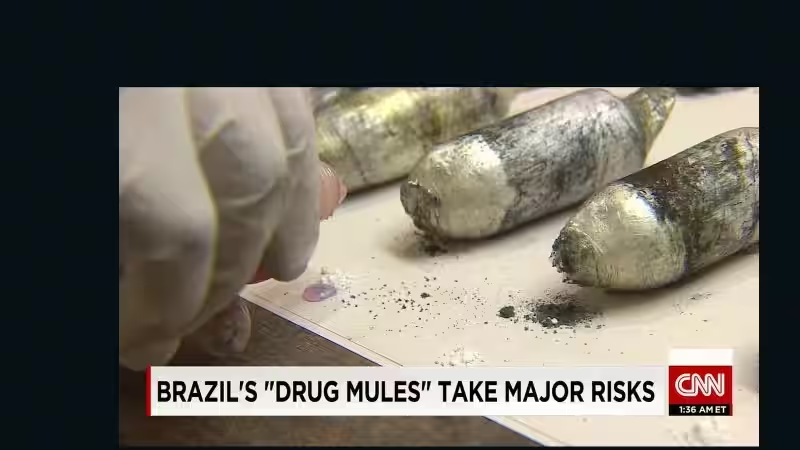
Drug smuggling is a pervasive global issue, and a crucial component of this illicit trade is the role of individuals known as "drug mules." Understanding who these people are, the motivations behind their actions, and the risks involved is vital to combating this dangerous phenomenon. This article delves into the complexities of this issue, highlighting the dangers and the need for a multifaceted approach to address it.
- Defining the Drug Mule Phenomenon
- Motivations and the Exploitation of Vulnerabilities
- The Perilous Journey: Methods and Risks
- International Implications and Legal Ramifications
- Beyond the Numbers: The Human Cost
-
Conclusion: A Multifaceted Approach is Essential
- What is a Drug Mule?
- What are the Methods Used by Drug Mules?
- What are the Motivations Behind Drug Mule Activity?
- What are the Risks and Consequences for Drug Mules?
- How are Drug Mules Detected?
- What are the Global Implications of Drug Mule Activity?
- What are the broader issues surrounding drug mule activity?
Defining the Drug Mule Phenomenon
Drug mules are individuals, often coerced or enticed, who transport illegal narcotics across borders for criminal organizations. They act as couriers, reducing the risk to the organizers and enabling the smooth flow of contraband. This is a major global issue, not isolated to one country. These mules are often individuals from disadvantaged backgrounds with limited opportunities, making them vulnerable to exploitation. The sheer scale of this illicit trade underscores how critical it is to understand the motivations and methods driving it. Furthermore, the intricate nature of drug smuggling across national borders emphasizes the global interconnectedness of this problem.
The methods employed by drug smuggling organizations are often sophisticated and constantly evolving. While concealment within vehicles and luggage remains common, the method of "body packing," particularly swallowing balloons filled with drugs, was once prevalent but has become less frequent due to enhanced security measures at airports and border crossings. This method, however, remains a threat for those who are coerced into these acts. This method is particularly dangerous and highlights the significant health risks for those involved.
Motivations and the Exploitation of Vulnerabilities
The motivations driving individuals to become drug mules are typically multifaceted and often rooted in vulnerabilities. Financial pressures, particularly in impoverished communities, can be a significant factor. The lure of substantial, though illicit, income can be particularly appealing in the face of limited employment opportunities and economic hardship. Poverty, a lack of education, and limited career prospects can create a sense of entrapment, leading individuals to perceive drug smuggling as a viable, albeit perilous, option.
Furthermore, coercion and threats from criminal organizations play a significant role. Fear for personal safety and the well-being of loved ones can be a powerful motivator, often leaving individuals with few viable alternatives. The perceived lack of options and potential for retaliation from the criminal network can create a sense of powerlessness and fear. These factors contribute to the vulnerability of potential drug mules, making them more susceptible to exploitation.
The Perilous Journey: Methods and Risks
Drug smuggling organizations utilize various methods to conceal contraband, including vehicles, luggage, and, less frequently, within the human body. The method of swallowing balloons filled with drugs, commonly referred to as "body packing," is a particularly hazardous practice.
The Dangers of Body Packing
The "swallowing" method involves the ingestion of balloons filled with narcotics, which the mule is expected to excrete at a designated border crossing. This process is fraught with significant health risks. The balloons can rupture, potentially causing serious injury, overdose, or even death due to intestinal obstructions. The ingestion of large quantities of drugs can lead to severe poisoning, and the body's reaction to the foreign substances can cause a range of complications. The stomach acids can also cause the balloons to rupture. The use of latex condoms or other materials to conceal the drugs adds another layer of complexity and danger to this method.
Detection and Treatment Challenges
Detection of drug mules is often challenging. While routine searches can be ineffective, ruptured packages or intestinal obstructions can lead to discovery. Abdominal X-rays are crucial for detection, but even these have limitations. Liquid-filled balloons, in particular, are difficult to detect with standard X-ray equipment, necessitating more sophisticated scanners at major airports. Medical treatment for mules is often focused on safely expelling the contraband, but emetics and forceful laxatives are risky and should be avoided as they can exacerbate the risks and cause harm.
International Implications and Legal Ramifications
The issue of drug mules transcends national borders. Apprehensions occur in various countries, highlighting the interconnectedness of the global drug trade. Cases like United States v. Montoya de Hernandez showcase the legal challenges related to detaining suspects based on suspicion of body packing. The disproportionate representation of foreign women in the UK prison system, often from vulnerable countries, underscores the significant role of women in this illicit trade. These situations highlight the broad impact of drug mule activity, demonstrating that effective solutions must take into account the global nature and unique contexts of these crimes.
Beyond the Numbers: The Human Cost
Drug mule activity is not simply a matter of statistics and seizures. It involves human lives, often lives marked by desperation, coercion, and exploitation. The individuals involved are often victims of a system that preys on vulnerabilities. The sheer scale of this exploitation underscores the need for a comprehensive approach that tackles both the enforcement and the underlying social and economic factors that drive vulnerable individuals to this perilous path.
Conclusion: A Multifaceted Approach is Essential
Addressing the drug mule problem requires a multi-faceted approach that goes beyond simply apprehending traffickers. It necessitates economic empowerment programs, educational initiatives, and social support systems to provide genuine alternatives to those lured by the prospect of quick financial gain or coerced into these perilous situations. Understanding the complex motivations and dangers associated with this illicit trade is the first step toward creating a more equitable and supportive world for vulnerable individuals and combating the global issue of drug trafficking effectively.
What is a Drug Mule?
A drug mule is an individual who transports illicit drugs across borders for criminal organizations. They act as couriers, reducing risk to the organizers who operate in the shadows.
What are the Methods Used by Drug Mules?
Drug mules employ various methods of concealment, including hiding contraband in vehicles, luggage, clothing, or their own bodies. Historically, "body packing," where drugs are concealed internally, has been used, although it is less common now due to increased airport security. The most prevalent method involves swallowing balloons filled with drugs, which they then excrete after crossing the border.
What are the Motivations Behind Drug Mule Activity?
The primary motivation for most drug mules is financial gain. Often, impoverished individuals are enticed by the promise of large sums of money or other incentives. In some cases, mules are coerced into the activity through threats. Economic hardship, lack of educational opportunities, and limited employment prospects can all contribute to the decision of individuals to participate in drug smuggling.
What are the Risks and Consequences for Drug Mules?
The methods used by drug mules are dangerous. Body packing, particularly the swallowing of drugs, can lead to serious health risks, including injury, overdose, and even death, if packages rupture or cause intestinal obstructions. The drugs themselves may have harmful effects. Individuals may be unaware of the dangers involved. They may also face severe penalties if caught, including imprisonment.
How are Drug Mules Detected?
Detection of drug mules is challenging. Routine searches may be ineffective. Ruptured packages or intestinal obstructions often lead to discovery. Abdominal X-rays are crucial, but even sophisticated scanners have limitations. Liquid-filled balloons are especially difficult to detect with standard X-ray equipment. Medical treatment focuses on safely expelling the contraband, but emetics and forceful laxatives are risky and should generally be avoided.
What are the Global Implications of Drug Mule Activity?
Drug mule activity is a global issue. Apprehensions occur in various countries, highlighting the need for international cooperation in combating drug trafficking. Legal challenges, such as those presented in cases like United States v. Montoya de Hernandez, underscore the complexities of detaining suspects based on suspicion related to body packing. Furthermore, the disproportionate representation of certain demographics, like foreign women, in prison systems highlights the vulnerability of specific groups and the need for broader social and economic solutions.
What are the broader issues surrounding drug mule activity?
Drug mule activity is often intertwined with human trafficking. Mules might be victims of coercion, forced into the role through threats or violence. This is a complex issue with deeper social and economic factors at play. Addressing the root causes of this activity is as important - and sometimes more important - than punishing individual mules. This includes economic empowerment programs, educational initiatives, and social support systems that offer viable alternatives to those at risk.