
Understanding the Rule 202 Petition: Pre-Suit Depositions in Texas
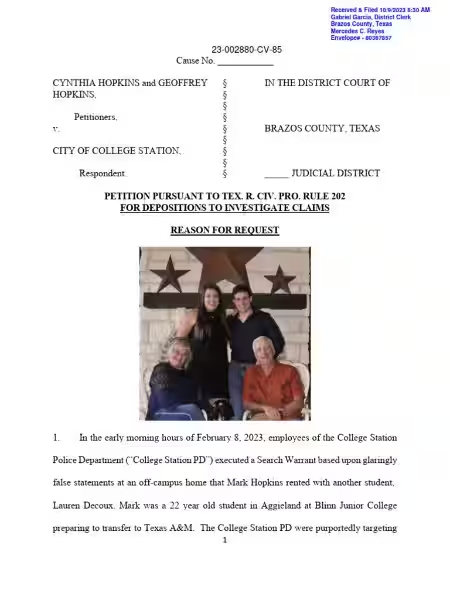
Are pre-emptive depositions a legitimate tool for shaping legal landscapes or a tactic to exert undue influence? The Rule 202 petition, a mechanism under Texas Rule of Civil Procedure 202, is sparking considerable debate. This article delves into the complexities of these pre-suit depositions, exploring their potential use and the concerns they raise.
- What are Rule 202 Depositions?
- The Rule 202 Petition Process: A Deep Dive
-
The Current Controversy Surrounding Rule 202 Petitions
- Rule 202 Petition FAQs
- What is a Rule 202 Petition?
- What are the requirements of a Rule 202 Petition?
- Who is using Rule 202 Petitions?
- What is the purpose of these depositions?
- What is the court's role in approving a Rule 202 Petition?
- Are the outcomes of these depositions confirmed?
- How does the choice of court venue affect the process?
- What are the potential implications of this use of Rule 202?
- Where can I find more information about the legal details of Rule 202?
What are Rule 202 Depositions?
Rule 202 depositions are a unique feature within the Texas legal system. Unlike typical depositions taken after a lawsuit has been filed, Rule 202 depositions allow parties to gather testimony before a lawsuit is initiated. This process essentially allows individuals or organizations to gather information about potential future claims or disputes. The process is designed to be used in circumstances where a formal lawsuit is contemplated but not yet filed, potentially to investigate the merits of a potential claim. This proactive approach, however, is not without its critics, who contend it can be used for purposes beyond legitimate investigation.
These depositions are not simply about gathering information; they are about potentially influencing behavior or gathering evidence that might be used to shape future legal action, including litigation. The process requires a formal petition to the court, making the procedure more formalized than a simple informational interview. The goal is to gather evidence and/or testimony that might otherwise be lost or unavailable, but this aim also opens the door for strategic maneuvering.
The Rule 202 Petition Process: A Deep Dive
The Rule 202 petition is the crucial first step in initiating a pre-suit deposition. This document, filed with the relevant court, must contain specific details about the proposed deposition. Crucially, it needs to demonstrate that there is a "good cause" for the deposition to proceed, showing the need to gather evidence necessary to prevent a failure or delay of justice or to demonstrate that the benefits of the deposition outweigh the costs and burdens of the process.
This crucial aspect of the procedure underscores the importance of court oversight. The petition must clearly outline the purpose of the deposition, the subject matter, and the potential adverse parties involved. This meticulous requirement is intended to ensure that these pre-emptive depositions aren't being used for harassment or to circumvent standard legal processes. Lack of clear justification can lead to the petition being denied.
Key Components of the Rule 202 Petition
- Clear Purpose: The petition must articulate the exact reason for the deposition. Is it to investigate potential fraud, to ascertain the truth of certain allegations, or to prepare for possible future litigation?
- Specific Subject Matter: The petition must clearly define the scope of the inquiry. What specific topics or individuals will be covered in the deposition?
- Identified Parties: The petition must identify the specific parties to be deposed.
- Justification for Pre-suit Deposition: The petition must demonstrate that the sought-after evidence is not readily available through other means and that the benefits of the deposition outweigh the costs and burdens on the individuals being deposed.
Failure to adequately address these components could lead to the petition being rejected by the court.
The Current Controversy Surrounding Rule 202 Petitions
A significant concern surrounding the current use of Rule 202 petitions centers on their application by groups like Texas Right to Life. The organization has been using this procedure to depose individuals associated with abortion support organizations and potentially major law firms. This raises questions about the potential for strategic use.
Potential for Strategic Use: Critics argue that these depositions are not simply about gathering information but may also be used as a form of intimidation or leverage. The goal is not simply to gather information, but potentially to alter the behavior of targeted groups, potentially through the threat of future litigation or public pressure.
Venue Selection and Impact: The choice of court venue in these cases is also raising eyebrows. Choosing a venue that aligns with the aims of a particular group, in this instance, a group known to have a favorable position with a specific court, is raising concerns about the impartiality of the judicial process.
Lack of Transparency: The ultimate use of the information gathered through these depositions remains largely unconfirmed and, in some cases, remains opaque. This lack of transparency further fuels concerns about potential misuse of the process.
The Rule 202 petition, while a legitimate tool under Texas law, is now a center of debate. Its potential for abuse, particularly when employed in targeted campaigns, warrants careful consideration. The process needs a thorough examination to ensure that its use prioritizes legitimate investigation over intimidation and strategic manipulation. The future of Rule 202 petitions will depend on how robust the judicial response is to the challenges posed by these pre-suit depositions. Transparency and clear guidelines regarding the petition process itself are crucial to prevent the misuse of this powerful tool.
```markdown
Rule 202 Petition FAQs
This FAQ section addresses questions regarding Rule 202 petitions, a pre-suit deposition process under Texas Rule of Civil Procedure 202.
What is a Rule 202 Petition?
A Rule 202 petition is a request submitted to a court, prior to a lawsuit being filed, to take the deposition of individuals or entities. These depositions are intended to gather testimony for a potential future lawsuit or to investigate a potential claim. The process requires a verified petition filed in the appropriate court, outlining the specific purpose, subject matter, and potential adverse parties involved.
What are the requirements of a Rule 202 Petition?
The petition must demonstrate to the court a need to prevent a potential failure or delay of justice or to show that the benefits of the deposition outweigh potential costs and burdens on the individuals being deposed. This involves a clear justification for the deposition, including a reasonable expectation it will contribute to a potential claim.
Who is using Rule 202 Petitions?
Currently, Texas Right to Life is utilizing this process to depose individuals associated with abortion support organizations and potentially major law firms. This is not an exhaustive list of those who may be affected.
What is the purpose of these depositions?
The depositions are being used to gather information and potentially influence the actions of targeted groups. This strategy may aim to alter the behavior of the individuals or organizations being deposed. By strategically choosing which court to file the petition in, the parties involved may be seeking a more favorable outcome under the statewide jurisdiction of SB 8.
What is the court's role in approving a Rule 202 Petition?
The court must review the petition and determine whether there's a valid need to prevent a failure or delay of justice, or if the benefits of the deposition outweigh the costs and burdens on the individuals being deposed.
Are the outcomes of these depositions confirmed?
The use and outcome of these depositions are, at present, unconfirmed. The intended use is not yet readily apparent.
How does the choice of court venue affect the process?
The choice of court venue in these cases suggests an attempt to potentially obtain rulings more favorable to the petitioners under the statewide jurisdiction of SB 8.
What are the potential implications of this use of Rule 202?
The frequent use of Rule 202 petitions by Texas Right to Life, and potential similar use by other groups, raises concerns about the potential for strategic use of the process, as leverage in influencing future legal actions or behavior.
Where can I find more information about the legal details of Rule 202?
For detailed legal information on Texas Rule of Civil Procedure 202, it is recommended to consult legal resources such as the Texas Rules of Civil Procedure or legal professionals specializing in Texas civil procedure.
```