
Understanding Your Right to Know: Placarding and Workplace Safety
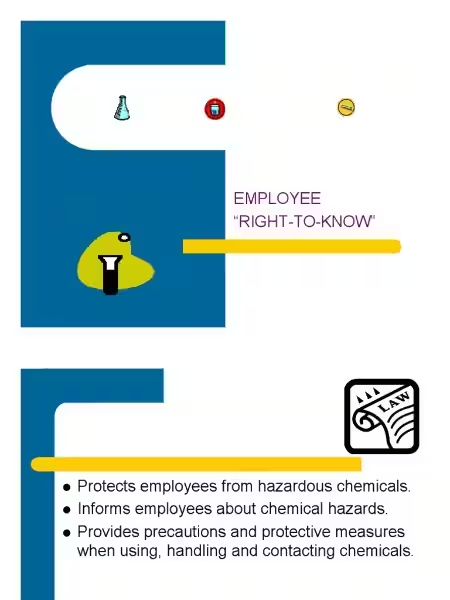
Many workplaces handle hazardous materials, and understanding your rights and responsibilities regarding these materials is crucial for maintaining a safe work environment. This article focuses on the importance of hazard communication, particularly the role of the right to know placard, and how it contributes to a safer workplace. We'll explore the regulations, the types of placards, and what they mean for both employers and employees.
- The Importance of Hazard Communication
- The Role of the Right to Know Placard
- Employer Responsibilities and Employee Rights
- Conclusion: A Culture of Safety
-
Frequently Asked Questions: Right-to-Know Placards
- What is a Right-to-Know placard?
- What information does a Right-to-Know placard contain?
- Why are Right-to-Know placards important?
- Who is responsible for using Right-to-Know placards?
- What are the penalties for not using Right-to-Know placards correctly?
- Where can I find more information about Right-to-Know regulations?
The Importance of Hazard Communication
Effective hazard communication is paramount to protecting workers from the risks associated with hazardous chemicals and materials. This communication goes beyond simple warnings; it requires a comprehensive system to ensure every employee understands the potential hazards they might encounter and how to protect themselves. This system isn't just for the benefit of the workers; it’s legally mandated for employers to provide.
The legal foundation for much of this rests on OSHA's 29 CFR 1910.1200, famously known as the "Right-to-Know" standard. This standard ensures workers have access to information about the hazards surrounding them. Failure to comply can lead to significant fines and legal repercussions for the employer, highlighting the seriousness of adhering to these regulations.
The Role of the Right to Know Placard
A critical component of hazard communication is the use of right to know placards. These placards serve as visual warnings, providing immediate identification of hazardous materials stored, used, or transported in a workplace or during transport. They're not simply arbitrary warnings; they adhere to strict standards to ensure clarity and consistency.
Think of a right to know placard as a first line of defense in hazard communication. They are large, easily visible labels that provide critical information at a glance, allowing workers to quickly assess the potential danger. Because of their size and prominence, they are particularly vital in areas where many different materials are stored or transported, reducing confusion and prioritizing safety.
Types of Placards and Their Meanings
Various types of placards exist, each indicating a specific hazard class. These classes range from flammable liquids to toxic substances, explosives, and radioactive materials. The specific colors, symbols, and wording on each placard are standardized to ensure universal understanding, regardless of the language spoken by the worker. This standardization is key to ensuring that hazard information is readily conveyed and understood across different languages and cultures.
Beyond the Placard: A Comprehensive Approach
While the right to know placard is vital, it's just one piece of a larger puzzle. A comprehensive hazard communication program requires additional elements:
- Safety Data Sheets (SDS): These detailed documents provide extensive information about specific hazardous chemicals, including their properties, hazards, and safe handling procedures.
- Labels: Similar to placards, but smaller and affixed directly to containers of hazardous materials.
- Training: Employees must receive thorough training on hazard recognition, safe handling procedures, and emergency response protocols.
This multifaceted approach ensures workers are adequately informed and equipped to handle hazardous materials safely. The right to know placard acts as a critical visual cue within this comprehensive system, providing immediate awareness of potential dangers.
Employer Responsibilities and Employee Rights
The "Right to Know" standard places significant responsibilities on employers. They are obligated to:
- Develop and implement a written hazard communication program.
- Provide employees with access to SDSs for all hazardous chemicals in the workplace.
- Ensure that all containers of hazardous chemicals are properly labeled.
- Train employees on the hazards of chemicals they handle.
- Provide appropriate personal protective equipment (PPE).
On the other hand, employees have the right to:
- Know the hazards associated with the chemicals they work with.
- Access SDSs for those chemicals.
- Receive appropriate training on safe handling procedures.
- Work in a safe and healthy environment free from unnecessary hazards.
A strong understanding and adherence to both employer responsibilities and employee rights are central to maintaining a safe workplace. These rights and responsibilities are directly linked to the information provided by the right to know placard and the wider hazard communication system.
Conclusion: A Culture of Safety
The right to know placard is more than a simple sign; it represents a commitment to workplace safety and a culture of mutual responsibility. By understanding the significance of hazard communication and adhering to regulatory requirements, employers can create a safer working environment, protecting their employees and upholding their legal obligations. For employees, understanding their rights and responsibilities empowers them to actively participate in maintaining a safe workplace. The right to know placard serves as a potent symbol of this crucial commitment to safety for everyone.
Here's an FAQ section about Right-to-Know placards, based on the provided points, focusing on workplace safety and hazard communication:
Frequently Asked Questions: Right-to-Know Placards
What is a Right-to-Know placard?
A Right-to-Know placard is a sign used to warn individuals of the presence of hazardous materials. It's a crucial component of hazard communication, mandated by OSHA's 29 CFR 1910.1200 standard ("Right-to-Know" standard). These placards are typically displayed on larger containers or transport vehicles carrying hazardous chemicals, providing immediate visual warnings about potential dangers. They supplement other hazard communication methods like labels and Material Safety Data Sheets (MSDS).
What information does a Right-to-Know placard contain?
Right-to-Know placards convey critical information about the hazards of the materials they identify. This usually includes a clear and concise description of the hazard class (e.g., flammable, corrosive, toxic), along with potentially a UN number for identification in transport contexts. The information aims to provide immediate visual cues of the dangers present, allowing for quick and appropriate safety measures to be taken. Specific details will vary depending on the hazard class and the regulated substance.
Why are Right-to-Know placards important?
Right-to-Know placards are vital for workplace safety. They immediately alert individuals to potential dangers, allowing them to take necessary precautions to protect themselves and others. This immediate visual warning system is especially critical in situations involving the transport or handling of hazardous materials, preventing accidents and injuries. The placards are a key element of a comprehensive hazard communication program, ensuring compliance with OSHA regulations and promoting a safe work environment.
Who is responsible for using Right-to-Know placards?
Employers are legally obligated to use Right-to-Know placards (and other hazard communication methods) appropriately when dealing with hazardous chemicals. This responsibility stems from OSHA's "Right-to-Know" standard, which mandates employers to create a comprehensive hazardous chemical program including proper labeling and placarding. Failure to comply can result in significant penalties and legal repercussions.
What are the penalties for not using Right-to-Know placards correctly?
Non-compliance with OSHA's hazard communication standard, including the improper use or omission of Right-to-Know placards, can result in substantial fines and other penalties. The severity of the penalties will depend on factors such as the nature and extent of the violation and the employer's history of compliance. Beyond financial penalties, non-compliance can also lead to reputational damage, loss of business, and even criminal charges in extreme cases. The focus is on ensuring worker safety and preventing accidents.
Where can I find more information about Right-to-Know regulations?
Detailed information about Right-to-Know regulations and hazard communication standards can be found on the Occupational Safety and Health Administration (OSHA) website. This website provides comprehensive guidance, resources, and the full text of the relevant regulations (29 CFR 1910.1200). Additionally, consulting with safety professionals or seeking training on hazard communication best practices is strongly recommended.