
Period Tracker Journal: Your Key to Understanding Your Cycle
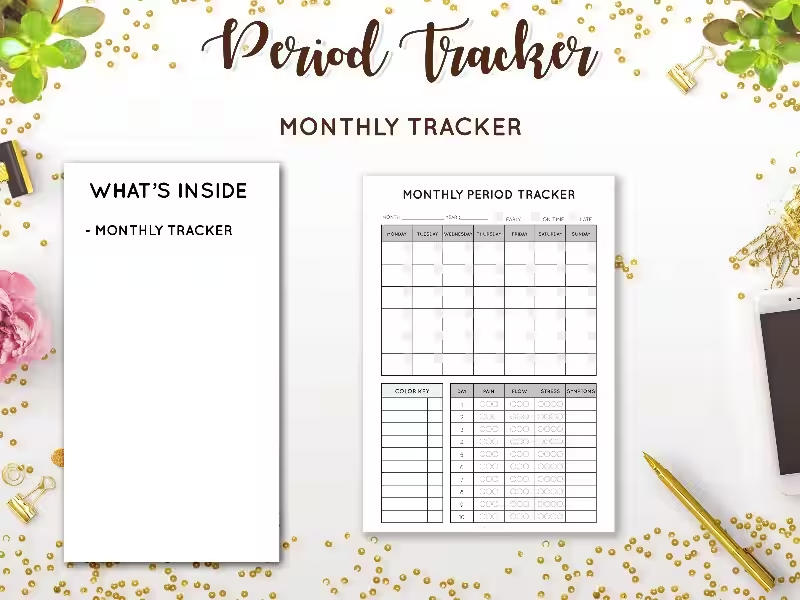
Understanding your menstrual cycle can feel like navigating a complex and sometimes confusing landscape. But what if there was a simple, empowering tool to help you chart your journey, understand your body, and take control of your well-being? That's where a period tracker journal comes in. This isn't just about noting down dates; it's about building a deeper connection with your body and using that knowledge to improve your health and happiness.
- Why Use a Period Tracker Journal?
- What to Track in Your Period Tracker Journal
- Utilizing Your Period Tracker Journal for Improved Well-being
-
Period Tracker Journal FAQ
- What is a period tracker journal?
- Why should I use a period tracker journal?
- What information should I track in my period tracker journal?
- How often should I record information in my journal?
- How can a period tracker journal help me manage PMS?
- What if my periods are irregular?
- Is my period tracker journal information private?
- When should I seek medical advice?
Why Use a Period Tracker Journal?
A period tracker journal offers more than just a calendar of your period. It's a personal record of your cycle's intricacies, allowing you to identify patterns, anticipate symptoms, and even potentially improve your overall health. Think of it as a personal health diary specifically focused on your menstrual health.
This isn't about medical diagnosis, but rather about self-awareness. By consistently recording your experiences, you'll start noticing trends you might otherwise miss. This self-knowledge can be invaluable in discussing any concerns with a healthcare professional. It empowers you to participate more actively in your healthcare.
What to Track in Your Period Tracker Journal
The beauty of a period tracker journal lies in its personalization. While there's no single "right" way to use one, here are some key aspects to consider tracking:
Tracking Your Period
- Start Date: Mark the first day of your period clearly.
- End Date: Note the last day of your bleeding.
- Flow: Assess the heaviness of your flow (light, medium, heavy). This helps you identify potential irregularities.
- Duration: Calculate the number of days your period lasts. Changes in duration can be significant.
This detailed record will help you see patterns in your cycle length and flow over time. You'll quickly become familiar with your normal cycle and more easily spot any deviations.
Beyond the Bleeding: Tracking Other Symptoms
Beyond the basic period details, your journal can encompass a wealth of other valuable information. Consider tracking these aspects:
- Cramps: Note the intensity and location of your cramps (mild, moderate, severe; localized or generalized).
- Mood Swings: Record any noticeable changes in your mood, noting specific emotions like irritability, anxiety, or sadness.
- Physical Symptoms: Track other physical symptoms such as bloating, breast tenderness, headaches, fatigue, acne, and digestive issues. Correlating these symptoms with your cycle phases can provide surprising insights.
- Energy Levels: Note how your energy fluctuates throughout your cycle. Do you feel more or less energetic during certain phases?
By meticulously recording these details, you'll begin to recognize patterns and connections between your cycle and your overall physical and emotional well-being.
Enhancing Your Journal: Adding Context
Your period tracker journal can be more than just a record of symptoms; it can be a tool for self-reflection and planning. Consider adding these elements:
- Stress Levels: Note any significant stressors in your life during your cycle. This can help you identify potential links between stress and menstrual symptoms.
- Sleep: Record the quality and quantity of your sleep. Poor sleep can exacerbate many menstrual symptoms.
- Diet: Keep a record of your diet. This can help you identify any potential food triggers or nutritional deficiencies affecting your cycle.
- Exercise: Track your exercise routine. Regular exercise can help manage some menstrual symptoms.
- Medication: Note any medication you take, especially over-the-counter pain relievers for cramps. This helps you track effectiveness and potential side effects.
Adding these contextual details paints a richer picture of your overall health. This holistic approach helps you identify potential improvements to your lifestyle that can positively impact your menstrual health.
Utilizing Your Period Tracker Journal for Improved Well-being
Your period tracker journal is a powerful tool, but its effectiveness hinges on consistent use. Make it a habit to record your daily experiences. The more data you collect, the clearer the patterns will become.
Once you've accumulated several months of data, look for trends and patterns. Are your cramps always worse on certain days? Do you experience particularly intense mood swings during a specific phase of your cycle? These insights can lead to better self-management strategies.
Remember, your period tracker journal is a personal tool. It's for you to understand your own body better. Share the information with your doctor if you have any concerns, but this journal is primarily for your self-education and empowerment. Using a period tracker journal is a proactive step towards better understanding and managing your menstrual health. It's an investment in your self-care.
Period Tracker Journal FAQ
Here are some frequently asked questions about using a period tracker journal to understand and manage your menstrual cycle:
What is a period tracker journal?
A period tracker journal is a tool, either physical or digital, used to record details about your menstrual cycle. This includes the start and end dates of your period, but can also encompass other information like symptoms (cramps, bloating, headaches), mood changes, and even your daily activities or energy levels. Tracking this information helps you identify patterns, predict your cycle, and better manage any associated symptoms.
Why should I use a period tracker journal?
Tracking your cycle offers several benefits. It allows you to:
- Identify patterns: Recognize typical cycle length and pinpoint any irregularities.
- Predict your period: Know when to expect your next period, helping with planning and preparation.
- Manage symptoms: Understand the timing and severity of PMS symptoms and other physical or emotional changes, allowing for better management strategies.
- Improve self-awareness: Gain a deeper understanding of your body and its natural rhythms.
- Communicate with healthcare providers: Provide valuable data to your doctor if you experience any concerns, especially if you're dealing with irregular periods or other symptoms.
- Reduce anxiety: By understanding your cycle, you might experience less anxiety around unexpected periods or symptom onset.
What information should I track in my period tracker journal?
Besides the start and end dates of your period, consider tracking:
- Flow heaviness: Note whether your flow is light, medium, or heavy.
- Symptoms: Record any physical symptoms like cramps, bloating, breast tenderness, acne, headaches, and fatigue.
- Emotional changes: Document any mood swings, irritability, anxiety, or other emotional fluctuations.
- Other relevant data: You might also choose to track things like sleep quality, diet, exercise levels, stress levels, or medication use to see if there are correlations with your cycle.
How often should I record information in my journal?
Ideally, record information daily, or at least several times a week. The more data you collect, the clearer the patterns will become. Even noting information only on days when you experience significant symptoms can be helpful.
How can a period tracker journal help me manage PMS?
By tracking your symptoms over several cycles, you can pinpoint when PMS symptoms typically appear and how long they last. This allows you to anticipate their onset and prepare accordingly. You might find that certain lifestyle changes (like diet, exercise, or stress-reduction techniques) can help alleviate symptoms. This information can also be helpful in discussions with your doctor about possible treatment options.
What if my periods are irregular?
Irregular periods are common and a period tracker journal can be especially helpful in this case. By consistently recording your cycle information, you will be able to provide detailed information to your doctor, helping them identify any potential underlying causes. Don't be discouraged if your cycle isn't perfectly predictable—the journal still provides valuable data.
Is my period tracker journal information private?
The privacy of your period tracker journal depends on how you choose to keep it. A physical journal is entirely private unless you share it. Digital journals may have differing privacy policies, so carefully review the terms of service before using a digital app or platform.
When should I seek medical advice?
Consult a doctor or healthcare professional if you experience:
- Severely painful periods.
- Extremely heavy bleeding.
- Irregular periods that cause concern.
- Bleeding between periods.
- Other unusual symptoms that worry you.
Using a period tracker journal is a proactive step towards better understanding and managing your menstrual health. Remember that it's a personal tool, and you can customize it to fit your individual needs and preferences.