
Navigating Passport Issues: When You Need a Passport Attorney
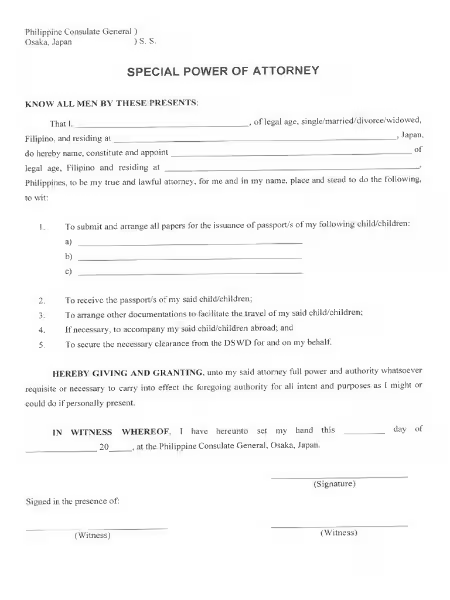
Many people believe obtaining a passport is a straightforward process. However, complex situations can arise, especially concerning children, custody disputes, or legal challenges. This is where the expertise of a passport attorney becomes invaluable. This article delves into the complexities surrounding passport applications and highlights when seeking professional legal counsel is essential.
- Understanding the Role of a Passport Attorney
- Common Situations Requiring a Passport Attorney
- The US Department of State’s Disclaimer and its Implications
- Finding the Right Passport Attorney
-
Passport Attorney FAQ
- What does a passport attorney do?
- Why might I need a passport attorney?
- Does the U.S. Department of State endorse any specific passport attorneys?
- How do I find a reputable passport attorney?
- What should I expect when working with a passport attorney?
- How much does a passport attorney cost?
- Can a passport attorney guarantee a successful outcome?
- What if I cannot afford a passport attorney?
- Are there alternatives to hiring a passport attorney?
Understanding the Role of a Passport Attorney
A passport attorney specializes in assisting individuals with various passport-related legal matters. They possess in-depth knowledge of immigration law, international law, and family law as it intersects with passport applications and issuance. Their expertise extends beyond simply filling out forms; they can navigate complex legal hurdles and represent clients in legal proceedings related to passports.
Furthermore, a passport attorney can provide crucial advice on the legal ramifications of passport applications. This includes advising on the potential consequences of providing false information or neglecting to disclose relevant information on an application. Their guidance helps to prevent legal issues down the road, ensuring a smooth and compliant application process.
Common Situations Requiring a Passport Attorney
Several circumstances can necessitate the help of a passport attorney. These include:
-
Custody Disputes Involving Children's Passports: When parents are separated or divorced and disagree on a child's travel, a passport attorney can help navigate the legal complexities and ensure the child's best interests are protected. This might involve securing court orders regarding passport control or challenging existing orders.
-
Delayed or Denied Passport Applications: If your passport application is inexplicably delayed or denied, a passport attorney can investigate the reason for the delay, identify potential errors in your application, and represent you in appealing the decision. They can often expedite the process and help resolve issues with government agencies.
-
Complex Legal Issues Related to Citizenship and Nationality: Determining citizenship can be challenging, especially for those with dual citizenship or those born outside the United States. A passport attorney can help determine your eligibility for a US passport based on your citizenship status and guide you through the application process.
-
Cases of Fraud or Identity Theft: If you suspect fraud or identity theft related to your passport application, a passport attorney can advise you on the necessary steps to take and represent you in legal proceedings. They can help restore your identity and obtain a valid passport.
-
International Travel Restrictions: If you are facing travel restrictions or have a criminal record that impacts your ability to obtain a passport, a passport attorney can guide you through the legal process to alleviate these barriers. They can help negotiate with the relevant authorities and explore legal options to resolve your situation.
The Importance of Legal Expertise in Passport Matters
The process of obtaining or challenging a passport decision can involve significant legal and bureaucratic complexities. Without proper legal counsel, applicants may face delays, denials, or even legal repercussions. A passport attorney offers the specialized knowledge and experience necessary to navigate these complexities effectively.
The US Department of State’s Disclaimer and its Implications
The US Department of State's website includes a disclaimer regarding external links and listed private entities. This disclaimer emphasizes that the Department does not endorse any external websites or private organizations listed on their site. It clarifies that the order of listings does not imply any ranking or preference, and the Department reserves the right to remove listings at any time.
This disclaimer highlights the importance of independent research and critical thinking when seeking information or services related to passports. While the Department of State provides valuable resources, it's crucial to understand that they do not vouch for the quality or reliability of third-party providers. Therefore, consulting with a passport attorney is crucial to ensure you are receiving accurate and reliable information and guidance tailored to your specific situation.
Finding the Right Passport Attorney
Choosing a qualified passport attorney is vital. When searching for legal representation, consider the following factors:
-
Experience: Look for an attorney with extensive experience in passport law and related areas. Experience ensures that the attorney has successfully navigated similar challenges in the past.
-
Reputation: Check online reviews and seek referrals to gauge the attorney's reputation and client satisfaction.
-
Specialization: Ensure the attorney specializes in passport law, as this area requires unique legal expertise.
-
Communication: Choose an attorney with whom you feel comfortable communicating and who is responsive to your inquiries.
-
Fees: Discuss fees upfront to avoid any surprises later in the process.
When to Seek Legal Counsel
Don't hesitate to consult a passport attorney if you face any difficulties or uncertainties regarding your passport application. Early intervention can prevent significant delays and potential legal problems. Proactive legal counsel can significantly improve the likelihood of a successful outcome.
In conclusion, while obtaining a passport might seem simple, unforeseen circumstances can make the process complex. A passport attorney provides the specialized knowledge and legal expertise needed to navigate these challenges effectively, ensuring a smoother and more successful process. Their guidance is invaluable in protecting your rights and achieving a positive resolution.
Passport Attorney FAQ
This FAQ section addresses common questions about passport attorneys. Please remember that this information is for general knowledge only and does not constitute legal advice. Always consult with a qualified legal professional for advice tailored to your specific situation. The U.S. Department of State does not endorse any specific passport attorney or legal service. Any mention of attorneys or services is for informational purposes only.
What does a passport attorney do?
Passport attorneys specialize in legal matters related to passport applications, renewals, denials, and other passport-related issues. They can assist with complex cases, such as those involving legal disputes over custody or travel restrictions, or situations where an application has been denied. They may also help navigate the process of obtaining a passport for children, especially in cases with custody disagreements.
Why might I need a passport attorney?
You might need a passport attorney if you are facing difficulties obtaining or renewing your passport, such as:
- Your application has been denied.
- You have a complex family law situation involving child custody or travel restrictions that impacts passport issuance.
- You require assistance with navigating bureaucratic procedures or challenging a decision made by the passport agency.
- You need legal representation in court proceedings related to passport issues.
Does the U.S. Department of State endorse any specific passport attorneys?
No. The U.S. Department of State provides lists of organizations for informational purposes only and does not endorse any specific attorney or legal service. Any listings are not an indication of ranking or preference. The Department reserves the right to remove listings at any time.
How do I find a reputable passport attorney?
You can research attorneys through online legal directories, bar associations, and referrals from trusted sources. It's crucial to verify their credentials and experience in passport law before retaining their services. Thoroughly review online reviews and seek recommendations from others who have used their services.
What should I expect when working with a passport attorney?
Expect clear communication, transparency regarding fees, and a well-defined plan of action. A reputable attorney will clearly outline the steps involved in your case and keep you informed of progress. They should be readily available to answer your questions and address your concerns.
How much does a passport attorney cost?
Fees vary widely depending on the complexity of the case, the attorney's experience, and their location. It's important to discuss fees upfront and understand the payment structure before engaging their services.
Can a passport attorney guarantee a successful outcome?
No attorney can guarantee a specific outcome. However, a skilled passport attorney can significantly increase your chances of success by providing expert legal guidance and representation throughout the process.
What if I cannot afford a passport attorney?
Many legal aid organizations offer free or low-cost legal assistance to individuals who meet specific financial requirements. You should explore these options or seek referrals to pro bono legal services.
Are there alternatives to hiring a passport attorney?
In less complex cases, you might be able to handle your passport application independently by carefully reviewing the instructions and requirements provided by the U.S. Department of State. However, if you encounter significant obstacles or legal challenges, professional legal assistance is strongly recommended.
Remember: This information is for general guidance only and does not constitute legal advice. Always consult with a qualified legal professional for advice specific to your circumstances.