
Understanding Maryland Immigration Laws: Divorce and Your Visa Status
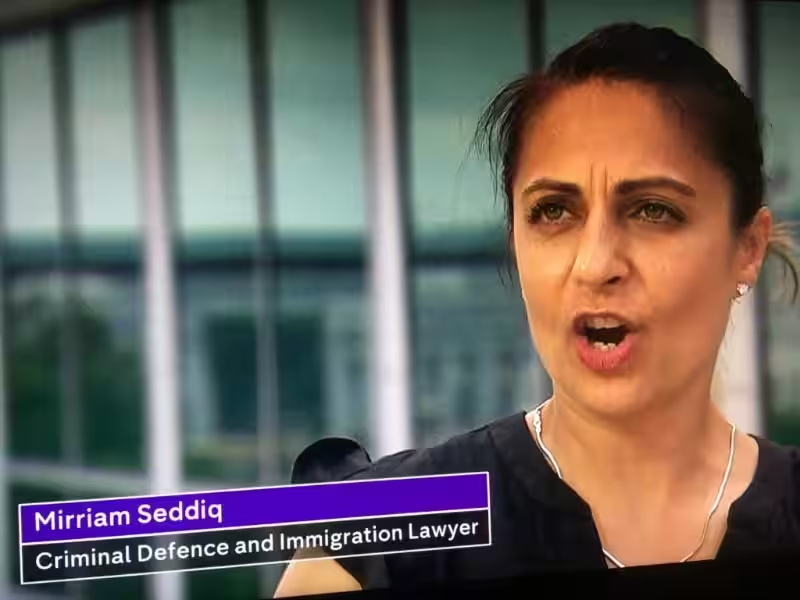
Many individuals in Maryland, and across the U.S., find themselves in precarious situations when their immigration status is tied to their marriage. This article explores the significant impact of divorce or separation on individuals in Maryland whose visas are sponsored by their spouses. Understanding Maryland immigration laws in this context is crucial for safeguarding your future.
- The Impact of Divorce on Your Visa Status
- The Importance of Informed Decision-Making
- Seeking Legal Counsel: A Crucial Step
- Consequences of Ignoring Legal Advice
- Protecting Your Future: Proactive Steps
-
Maryland Immigration Laws: Frequently Asked Questions
- What happens to my immigration status if I divorce my spouse who sponsored my visa?
- I'm considering separating from my spouse. What should I do before making a decision?
- My spouse and I are having marital problems. Will this affect my visa?
- Do I need a lawyer if I'm going through a divorce and have a spouse-sponsored visa?
- What kind of legal help should I seek?
- My visa is based on my marriage. How can I protect my immigration status during divorce proceedings?
- How long does the process of addressing immigration status after a divorce take?
- Will I have to leave the United States if I divorce my spouse?
- Is there a specific timeframe I need to act within once separated or divorced?
- Where can I find an immigration attorney in Maryland?
The Impact of Divorce on Your Visa Status
Divorce or separation can have devastating consequences for those whose immigration status is derived from their spouse's visa sponsorship. Your residency hinges on the continued validity of that sponsorship. This means your lawful presence in the United States is directly tied to your marital status.
This dependence creates a significant vulnerability. If your marriage ends, your visa may be terminated, potentially leading to deportation. The emotional distress of a marital breakdown is compounded by the fear of losing your legal status and the life you've built in the United States.
This is not simply a matter of filling out paperwork. The legal implications are substantial and far-reaching, affecting not only your immigration status but also your ability to work, access healthcare, and maintain your social connections.
The Importance of Informed Decision-Making
Before making any rash decisions about separation or divorce, it's crucial to thoroughly weigh the potential consequences. Impulsive actions can have irreversible and devastating results, impacting your future and the future of your family.
The article emphasizes the need for careful consideration and strategic planning. Understanding your rights and options is paramount, especially given the complexity of both family law and immigration law. Rushing into a decision without professional guidance can lead to unforeseen difficulties and put your legal status at severe risk.
Seeking Legal Counsel: A Crucial Step
Navigating the intricate interplay between family law and Maryland immigration laws is rarely possible without expert assistance. The complexities are significant, and making informed decisions requires a deep understanding of the legal landscape.
Therefore, seeking legal counsel from a qualified immigration attorney is not merely advisable; it is essential. An attorney can provide personalized guidance, tailored to your specific circumstances, helping you understand your rights, options, and the potential implications of your choices. They can help you protect your immigration status while addressing the complexities of your divorce or separation.
Understanding Your Visa Type
The specific conditions of your visa play a vital role in determining how a change in your marital status will impact your immigration status. Each visa type has unique requirements and stipulations concerning marital status.
For instance, some visas explicitly require maintaining a valid marriage for a specific period to adjust to permanent residency. A divorce before fulfilling these conditions can lead to the immediate termination of your visa. Others may have more nuanced requirements, making the need for professional legal advice even more important.
The Adjustment of Status Process
If your marital status changes, you may need to go through an adjustment of status process. This can involve submitting additional documentation, undergoing interviews with immigration officials, and demonstrating continued eligibility for your visa. This process can be lengthy, stressful, and costly.
The uncertainty inherent in this process significantly adds to the emotional burden of a divorce or separation. The complexities of navigating these legal processes independently can be overwhelming, further highlighting the importance of seeking professional legal help.
Consequences of Ignoring Legal Advice
Ignoring the need for legal guidance can lead to several negative consequences. These may include:
- Loss of lawful status: This is the most severe consequence, potentially leading to deportation.
- Inability to work: Your employment authorization may be revoked, leaving you without a source of income.
- Delayed or denied visa applications: Failure to properly navigate the legal process can delay or prevent you from obtaining a new visa.
- Increased stress and anxiety: Navigating this complex legal landscape alone can be incredibly stressful and emotionally taxing.
- Financial burden: Legal fees incurred later may be significantly higher than if you had sought advice proactively.
Protecting Your Future: Proactive Steps
The best approach is to seek legal counsel before making any decisions about your marriage. An attorney can help you understand the implications of your actions, explore your options, and develop a strategy to protect your immigration status.
Taking proactive steps early on is crucial for minimizing potential risks and ensuring a smoother transition, regardless of the outcome of your marital situation. Remember, your immigration status is precious; protect it with informed and strategic planning.
By understanding Maryland immigration laws and seeking professional help, you significantly increase your chances of a positive outcome, even amidst the challenges of a divorce or separation. Don't hesitate to seek legal assistance—it's an investment in your future and your peace of mind.
Maryland Immigration Laws: Frequently Asked Questions
This FAQ section addresses concerns related to the impact of divorce or separation on the immigration status of individuals in Maryland whose visas are sponsored by their spouses. Please note this information is for general guidance only and does not constitute legal advice. Consult an immigration attorney for personalized counsel.
What happens to my immigration status if I divorce my spouse who sponsored my visa?
Divorce can severely impact your immigration status. Your residency is likely contingent upon the continued validity of your spouse's sponsorship. Separation or divorce can terminate this sponsorship, potentially leading to the loss of your visa and deportation. The specific consequences depend on your visa type and individual circumstances.
I'm considering separating from my spouse. What should I do before making a decision?
Before taking any action, seek legal counsel from an experienced immigration attorney. The consequences of separation or divorce on your immigration status are significant and potentially irreversible. An attorney can advise you on the best course of action to protect your legal residency.
My spouse and I are having marital problems. Will this affect my visa?
While marital problems themselves don't automatically invalidate your visa, they can create a vulnerable situation. If the marital discord leads to separation or divorce, your immigration status will be at risk. Proactive legal counsel is crucial to mitigate potential negative consequences.
Do I need a lawyer if I'm going through a divorce and have a spouse-sponsored visa?
Absolutely. Navigating the complexities of both family law and immigration law simultaneously requires expert guidance. An immigration attorney can help you understand your rights, options, and the potential impact on your immigration status. They can also help you navigate the often lengthy and complex legal processes involved.
What kind of legal help should I seek?
You need an attorney specializing in immigration law. Family law attorneys may have some knowledge, but immigration law is highly specialized and requires expertise in this specific area. Finding a lawyer experienced with cases involving spouse-sponsored visas is particularly important.
My visa is based on my marriage. How can I protect my immigration status during divorce proceedings?
Protecting your status requires careful planning and legal strategy. An attorney can help you understand your visa's specific requirements and develop a plan to address the implications of the divorce on your residency. This may involve filing specific applications or taking other legal steps.
How long does the process of addressing immigration status after a divorce take?
The timeframe varies significantly depending on your visa type, the complexity of your case, and the efficiency of the immigration authorities. The process can be lengthy, often involving extensive paperwork, interviews, and potential appeals. Your attorney can provide a more accurate estimate based on your specific circumstances.
Will I have to leave the United States if I divorce my spouse?
This depends entirely on your individual situation, your visa type, and the outcome of any immigration proceedings initiated after the divorce. Some individuals may be able to adjust their status, while others may face deportation. An attorney can assess your specific situation and advise you on the likelihood of different outcomes.
Is there a specific timeframe I need to act within once separated or divorced?
There are often deadlines and time-sensitive requirements in immigration law. An attorney can inform you of any relevant deadlines and help you meet them. Delaying action can significantly jeopardize your case.
Where can I find an immigration attorney in Maryland?
You can find immigration attorneys through online legal directories, referrals from other professionals (such as family law attorneys), and through bar associations. It's crucial to find an attorney with experience in handling cases involving spouse-sponsored visas.