
Understanding Your Law Firm Retainer Agreement
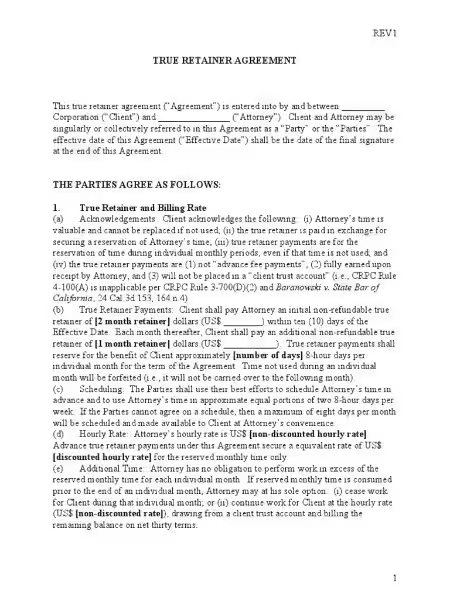
Choosing the right legal representation is crucial, and understanding your law firm retainer agreement is a key step in ensuring a successful and transparent working relationship. This agreement, often called a representation agreement, lays the foundation for your legal journey. It outlines the terms, conditions, and fees involved in your lawyer's services. This article will break down the key aspects of a law firm retainer agreement, helping you navigate this crucial document.
- Types of Law Firm Retainer Agreements
- The Importance of the Scope of Representation
- Advance Fee Retainers and Security Retainers: Key Differences
- Navigating Your Law Firm Retainer Agreement
-
Frequently Asked Questions about Law Firm Retainer Agreements
- What is a retainer agreement?
- What are the different types of retainers?
- What is a security retainer, and how does it work?
- What is an advance payment retainer?
- What should a retainer agreement include?
- What is the scope of representation?
- Are retainer agreements and representation agreements the same thing?
- What happens if I need services beyond the scope of the retainer?
Types of Law Firm Retainer Agreements
There are several types of retainer agreements, each serving a different purpose. Understanding the distinctions is vital for both clients and lawyers. The choice depends heavily on the nature of the legal work and the client's preferences.
The first category is the general retainer. This type of agreement ensures the lawyer's availability for consultation and advice on specific legal matters within a defined scope. However, it doesn't necessarily commit the lawyer to performing specific tasks. Instead, it guarantees accessibility and readiness to handle relevant issues as they arise. Additional fees would be incurred for the actual work performed beyond the retainer fee. Think of it like having a dedicated legal advisor on call. This arrangement is often favoured for ongoing legal needs of businesses or individuals with complex legal situations.
Another type is the security retainer, also known as a retaining fee. This is a prepayment held in trust by the lawyer until services are rendered. It's essentially a safeguard ensuring the lawyer has funds to cover their work. This type of retainer is particularly common in situations where significant costs are anticipated, or where the client requires ongoing legal representation. This upfront payment secures the lawyer's commitment to the case.
The Importance of the Scope of Representation
A crucial element of any law firm retainer agreement is the clearly defined scope of representation. This section meticulously outlines the specific legal services the lawyer will provide. It's vital to ensure this scope aligns perfectly with your needs. A poorly defined scope can lead to disputes and unexpected costs later on.
For example, the scope might cover a single, specific case, such as a wrongful termination lawsuit. Alternatively, it could encompass a broader range of services, such as ongoing legal counsel for a business, covering various legal aspects of their operations. The more precise the description, the better protected both parties will be. Ambiguity in this section is something to be avoided at all costs. It's crucial to discuss this section thoroughly with your lawyer and ensure you both understand the limits of the agreement.
Defining Expectations and Responsibilities
Beyond the scope of representation, a well-drafted law firm retainer agreement will also outline the responsibilities of both the client and the lawyer. This could include details about communication protocols, payment schedules, and the process for obtaining client approval before taking certain actions.
A retainer agreement is a contract. It lays out your expectations of the lawyer and the steps you are expected to take. For example, you might agree to provide all necessary documents promptly. Similarly, the lawyer might commit to regular updates and transparent billing practices. Clear expectations on both sides minimizes misunderstandings and potential disputes.
Advance Fee Retainers and Security Retainers: Key Differences
Another crucial type is the advance fee retainer or payment retainer. This is a prepayment for specific legal services. Unlike the security retainer held in a trust account, this type of retainer can be paid directly to the lawyer. While advance payment retainers might seem simpler, your state's laws regarding their usage and handling vary significantly. Some jurisdictions might even prohibit them entirely.
It's essential to understand the differences. A security retainer, held in trust, ensures the client’s funds are safeguarded until the services are performed. On the other hand, an advance fee retainer places more trust in the lawyer and their ability to handle the funds responsibly. Always verify the legality and implications of this type of retainer within your location. Remember to clarify what the retainer covers — all projected costs, or just a portion, with the client responsible for exceeding this amount.
Your law firm retainer agreement is more than just a legal document; it’s a roadmap for your legal journey. Careful review and a clear understanding of its terms are crucial. Don't hesitate to ask your lawyer for clarification on any point that you don't understand — it's far better to clarify ambiguities upfront than to encounter misunderstandings later on.
Before signing any law firm retainer agreement, take your time to thoroughly read through all the clauses and ensure you're comfortable with all the terms. It's your right, and in fact, it's recommended to seek independent legal counsel to review the document before committing to it. This ensures you have a comprehensive understanding of your rights and responsibilities within the agreement.
Remember, a well-drafted law firm retainer agreement protects both you and your lawyer. By clearly defining the scope of work, payment terms, and responsibilities, it establishes a clear and transparent relationship, allowing you to focus on the most important aspect – achieving your legal objectives.
Frequently Asked Questions about Law Firm Retainer Agreements
Here are some frequently asked questions to help you understand law firm retainer agreements:
What is a retainer agreement?
A retainer agreement is a contract between a client and a lawyer that outlines the terms of their legal representation. It details the lawyer's fees, the scope of services to be provided, and the responsibilities of both parties. Essentially, it's a legally binding agreement that clarifies expectations and protects both the client and the lawyer. There are different types of retainers, each with its own nuances.
What are the different types of retainers?
There are primarily three types: general retainers, security retainers (also called retaining fees), and advance payment retainers. A general retainer secures the lawyer's availability for consultation and advice, usually charging separately for specific work undertaken. A security retainer is a prepayment held in a trust account to ensure funds are available to cover the lawyer's fees as services are rendered. An advance payment retainer is a prepayment for specific services to be performed in the future. The choice depends on the client's needs and the lawyer's practice.
What is a security retainer, and how does it work?
A security retainer is a prepayment held by the lawyer in a trust account, separate from their operating account. These funds are only released to the lawyer as they perform the agreed-upon services. This ensures the lawyer is paid, and the client's money is protected. Only client funds and minimal banking fees added by the lawyer should be in this trust account. Disbursement can be periodic or after service completion, potentially adjusted based on hourly billing or additional services.
What is an advance payment retainer?
An advance payment retainer is a prepayment for specific legal services. Unlike a security retainer, it's not necessarily held in a trust account. State laws vary on their handling, with some jurisdictions prohibiting them. The agreement should clearly state whether the retainer covers all expected costs or only a portion, clarifying client responsibility for any additional fees.
What should a retainer agreement include?
A comprehensive retainer agreement should clearly define the scope of representation (the specific legal services covered), the fees, payment terms, and the responsibilities of both the lawyer and the client. It should also outline communication procedures, the process for obtaining client approval on significant decisions, and any limitations on the lawyer's actions. It's crucial for both parties to understand the agreement's terms before signing.
What is the scope of representation?
The scope of representation specifies the exact legal services the lawyer will provide. This can range from a single, specific matter (like a wrongful termination case) to broader, ongoing representation (like advising a corporation on a major business deal). A clearly defined scope minimizes misunderstandings and disputes.
Are retainer agreements and representation agreements the same thing?
Yes, retainer agreements and representation agreements are essentially interchangeable terms. They both refer to the contract establishing the legal relationship between a client and their lawyer.
What happens if I need services beyond the scope of the retainer?
If you require services outside the scope initially outlined in the retainer agreement, you and your lawyer will need to negotiate additional fees and amend the agreement accordingly. This will often involve a supplemental agreement outlining the additional work and associated costs.