
Is It Okay to Remove Humanitarian Parole Stapled from Passport?
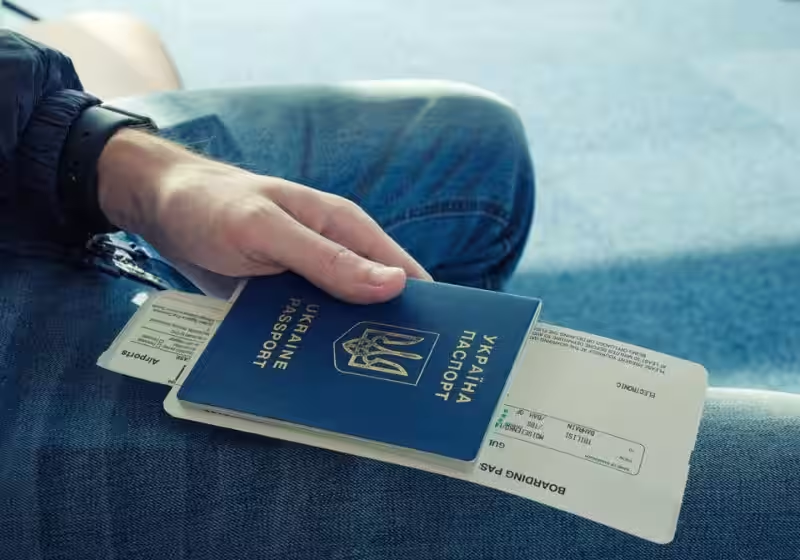
Is removing stapled humanitarian parole documents from your passport a risky move? The answer isn't straightforward, and this article will delve into the potential complications and offer practical advice to navigate this tricky situation. Understanding the potential pitfalls and adopting a proactive approach can help you avoid potential issues down the line.
- The Dilemma of Stapled Documents
- The Importance of Transparency and Cooperation
- Addressing the Issue Directly
- Personal Anecdote and Practical Support
- Avoiding Suspicion and Maintaining Transparency
-
Key Takeaways
- Is it okay to remove humanitarian parole stamps from my passport?
- What are the concerns about removing stapled documents?
- What is the recommended course of action?
- How should I approach the situation with the officer?
- What if I attempt to remove the documents without officer supervision?
- What is the author's personal experience regarding this issue?
- What is the overall takeaway regarding this issue?
The Dilemma of Stapled Documents
The presence of stapled documents like humanitarian parole within a passport raises a crucial question: is it okay to remove them? Conflicting advice exists, highlighting the inherent uncertainty surrounding this practice. One perspective warns against any alterations to the passport's physical integrity, while another might suggest that the stapled documents would make the passport ineligible for processing. This ambiguity underscores the potential for misinterpretation when altering a passport's physical form.
Removing the stapled paper could be perceived as a deliberate attempt to conceal information. This could lead to problems during passport processing or when crossing borders. Conversely, leaving the documents in place might result in the passport being deemed inadequate due to a lack of blank pages or space for official stamps or visas. This is where the importance of a proactive approach comes into play.
The Importance of Transparency and Cooperation
The most prudent course of action is to err on the side of caution and consult with a passport issuing or checking officer. Instead of attempting independent removal, prioritize cooperation with the authorities. This approach minimizes the risk of misinterpretations and potential negative consequences.
By engaging with the authorities, you establish transparency and demonstrate a commitment to following regulations. A proactive approach is crucial. If the officer indicates a deficiency in blank pages, immediately request their assistance in the removal of the stapled documents. Alternatively, ask for their supervision to remove the documents yourself.
Addressing the Issue Directly
A key aspect of this dilemma is the proactive approach of addressing the issue directly. Instead of trying to resolve the problem on your own, engage with the relevant officer. This transparent approach minimizes the risk of misinterpretations and potential negative consequences.
If the officer raises concerns about the passport's suitability due to insufficient blank pages, remember to inquire about the possibility of removing the stapled documents under their supervision. This demonstrates your commitment to complying with regulations and avoids any potential accusations of attempting to conceal information. This collaborative approach underscores your good faith.
Personal Anecdote and Practical Support
My personal experience with a similar situation reinforced the value of this collaborative method. I successfully obtained a new passport after a similar encounter. By engaging directly with the passport office and seeking their assistance in the removal of the stapled documents, I avoided potential complications. This personal anecdote underscores the significance of open communication and seeking clarification from the relevant authorities when faced with this type of dilemma.
Avoiding Suspicion and Maintaining Transparency
Crucially, this advice emphasizes avoiding actions that could raise suspicion. Removing documents without explicit authorization or supervision from the authorities could be interpreted as an attempt to alter or conceal information.
Focus on maintaining transparency and cooperating with authorities to resolve any issues related to the passport's physical condition. This approach prioritizes transparency, minimizes the risk of misinterpretation, and potentially prevents problems during future passport usage or renewal processes. The emphasis on collaboration with authorities is paramount in navigating this potentially sensitive situation.
Key Takeaways
- Avoid independent removal: Don't attempt to remove stapled documents from your passport without official authorization.
- Consult with the passport officer: Discuss the issue directly with the passport issuing or checking officer.
- Seek assistance: If necessary, request the officer's assistance in removing the documents under their supervision.
- Maintain transparency: Demonstrate a commitment to complying with regulations and avoid actions that could raise suspicion.
- Prioritize cooperation: Collaborating with authorities is crucial in navigating this potentially sensitive situation.
By following these guidelines, you can effectively manage this situation and avoid potential complications during passport processing or border crossings. Remember, a proactive and transparent approach is key to a smooth resolution. Always err on the side of caution and prioritize cooperation with the passport issuing or checking staff. "Is it okay to remove humanitarian parole stapled from passport?" is a question best answered through direct communication and cooperation with the authorities.
```markdown
Is it okay to remove humanitarian parole stamps from my passport?
Removing official documents, like humanitarian parole stamps, stapled into a passport can be a tricky issue with potentially conflicting advice. This FAQ aims to provide a clear and pragmatic approach, focusing on minimizing any potential complications.
What are the concerns about removing stapled documents?
The primary concern lies in the potential for misinterpretation. Removing stapled documents might be seen as an attempt to conceal information, leading to problems during passport processing or border crossings. Conversely, leaving the documents in place could lead to issues if the passport lacks sufficient blank pages.
What is the recommended course of action?
Instead of independently removing the documents, err on the side of caution and involve the passport issuing or checking officer. Proactive communication is key.
How should I approach the situation with the officer?
Inform the officer about the stapled documents. If they indicate a lack of sufficient blank pages, request their assistance in removing the old documents. Alternatively, removing them under the officer's supervision demonstrates transparency and good faith. This approach minimizes the risk of misinterpretation and potential problems.
What if I attempt to remove the documents without officer supervision?
Removing documents without explicit authorization or oversight could be misinterpreted as an attempt to alter or conceal information. This risks creating unnecessary complications during future passport usage or renewal processes.
The author successfully obtained a new passport after a similar situation by engaging with the passport officer. This personal anecdote reinforces the value of collaborative resolution. Open communication and seeking clarification from the relevant authorities are crucial in such situations.
What is the overall takeaway regarding this issue?
The best approach is to avoid independent removal of stapled documents. Instead, discuss the issue with the relevant passport officer and seek their assistance if needed. This approach prioritizes transparency, minimizes the risk of misinterpretation, and prevents potential problems during future passport usage or renewal processes. Collaboration with authorities is paramount in navigating this potentially sensitive situation.
```