
Navigating the Complexities of Immigration Law: A Practical Outline
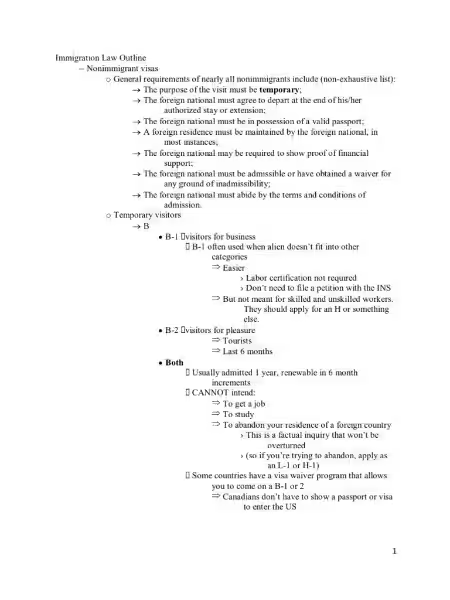
Many individuals facing immigration issues find themselves overwhelmed by the intricacies of the legal process. Understanding the key areas of immigration law is crucial for both immigrants and their legal representatives. This article provides a practical overview, using the structure of a typical immigration law outline as a guide, to illuminate the key components. While this article cannot replace professional legal advice, it aims to demystify the process and highlight critical areas.
- A. Jurisdiction and Standard of Review: The Foundation of Appeal
- B. Relief from Removal: Avenues for Avoiding Deportation
- C. Motions to Reopen or Reconsider: Second Chances in Immigration Proceedings
- D. Criminal Issues and Immigration Consequences: A Crucial Intersection
- E. Due Process in Immigration Proceedings: Ensuring Fair Treatment
- F. Attorney Fees and Recoverable Expenses under the EAJA: Access to Justice
- Conclusion: The Importance of a Comprehensive Approach
-
Ninth Circuit Immigration Law Outline: Frequently Asked Questions
- What is the Ninth Circuit Immigration Outline?
- Is the Ninth Circuit Outline a complete guide to immigration law?
- What topics does the outline cover?
- What is the significance of the "Jurisdiction and Standard of Review" section?
- How does the outline address "Relief from Removal"?
- What about challenging unfavorable decisions?
- How does the outline address criminal history?
- What about due process rights in immigration proceedings?
- How does the outline address attorney fees?
- Why is independent research crucial when using this outline?
A. Jurisdiction and Standard of Review: The Foundation of Appeal
This section establishes the legal authority of the court to hear immigration appeals and dictates how the court reviews decisions made by lower bodies, such as the Board of Immigration Appeals (BIA) or immigration judges. Knowing which decisions are appealable and the level of deference given to administrative agencies is fundamental.
Understanding the standard of review is critical. For example, some decisions might be reviewed under a "substantial evidence" standard, meaning the court will uphold the agency's decision unless it's unsupported by substantial evidence. Other decisions might be reviewed de novo, meaning the court will consider the case afresh without giving deference to the agency's decision. This difference significantly impacts the chances of a successful appeal.
B. Relief from Removal: Avenues for Avoiding Deportation
This pivotal section deals with the various ways individuals can avoid deportation. It includes a range of options such as:
- Asylum: Protection granted to individuals fleeing persecution in their home country.
- Withholding of Removal: A less stringent form of protection than asylum, often requiring a showing of a clear probability of persecution.
- Convention Against Torture (CAT) Relief: Protection for individuals facing torture in their home country.
Each type of relief has specific eligibility criteria and burdens of proof. A comprehensive immigration law outline will detail these requirements and relevant case law, crucial for building a strong defense against removal. The intricacies of each relief option require careful consideration and strategic planning.
C. Motions to Reopen or Reconsider: Second Chances in Immigration Proceedings
Sometimes, unfavorable decisions are made in immigration court or by the BIA. This section explains how to challenge these decisions through motions to reopen or reconsider. These motions typically require demonstrating new evidence not previously available or highlighting clear errors of law in the original decision.
A detailed immigration law outline would meticulously outline the specific grounds for these motions, the procedures for filing them, and the standards the court will apply when reviewing them. Successfully navigating this process requires a thorough understanding of the legal requirements and precise procedural steps.
D. Criminal Issues and Immigration Consequences: A Crucial Intersection
Criminal convictions often have significant repercussions on immigration status. This section explores the connection between criminal history and immigration consequences.
The immigration law outline will detail which crimes lead to deportation, how criminal history impacts applications for relief, and the procedures for handling criminal records in immigration proceedings. This section underscores the importance of legal counsel for individuals with criminal records facing immigration proceedings. The consequences can be severe and long-lasting.
E. Due Process in Immigration Proceedings: Ensuring Fair Treatment
Immigration proceedings must adhere to fundamental due process principles. This section focuses on the constitutional rights afforded to individuals throughout the process.
This includes the right to counsel, the right to present evidence, and the right to a neutral decision-maker. The immigration law outline will detail these rights and how they are applied in practice, ensuring a fair hearing and a legally sound outcome. Understanding these rights is vital in protecting the rights of immigrants.
F. Attorney Fees and Recoverable Expenses under the EAJA: Access to Justice
The Equal Access to Justice Act (EAJA) allows for the recovery of attorney fees and expenses in certain immigration cases. This section explains the conditions under which an applicant can seek reimbursement and how to do so.
An immigration law outline will clarify the eligibility criteria, the process for applying for reimbursement, and the relevant case law. This section is critical in ensuring that individuals facing immigration issues can access legal counsel without facing insurmountable financial barriers. The financial implications of immigration proceedings are significant, and the EAJA can be a critical tool for ensuring fairness and access to justice.
Conclusion: The Importance of a Comprehensive Approach
This overview, mirroring the structure of a typical immigration law outline, highlights the key areas within immigration law. It's crucial to remember that this is a simplified explanation and cannot replace professional legal advice. A comprehensive immigration law outline, such as the Ninth Circuit Immigration Outline, provides a valuable starting point, but independent legal research is essential to ensure the accuracy and current validity of the information used. The complexities of immigration law demand meticulous research and a thorough understanding of relevant case law and procedural rules. Always consult with an experienced immigration attorney for guidance on your specific situation.
Ninth Circuit Immigration Law Outline: Frequently Asked Questions
This FAQ section provides general information about the Ninth Circuit Immigration Outline. It is crucial to remember that this information is for educational purposes only and does not constitute legal advice. Always consult with a qualified immigration attorney for advice on your specific situation.
What is the Ninth Circuit Immigration Outline?
The Ninth Circuit Immigration Outline is a resource compiled by the Office of Staff Attorneys and Ninth Circuit Court Librarians. It serves as a preliminary guide for attorneys handling petitions for review in immigration cases within the Ninth Circuit's jurisdiction. It summarizes key areas of Ninth Circuit immigration jurisprudence but is not exhaustive and requires supplemental independent research.
Is the Ninth Circuit Outline a complete guide to immigration law?
No. The outline is a starting point, providing a thematic overview. Attorneys must conduct thorough independent research to ensure the accuracy and current validity of the information, as legal precedents change. It should never be the sole basis for legal strategy.
What topics does the outline cover?
The outline covers key areas of Ninth Circuit immigration law, including: Jurisdiction and Standard of Review; Relief from Removal (asylum, withholding of removal, CAT relief); Motions to Reopen or Reconsider; Criminal Issues in Immigration Law; Due Process in Immigration Proceedings; and Attorney Fees and Recoverable Expenses under the EAJA.
What is the significance of the "Jurisdiction and Standard of Review" section?
This section is foundational. It details the Ninth Circuit's authority to hear immigration appeals and the standards used when reviewing decisions from the Board of Immigration Appeals (BIA) or immigration judges. It clarifies which decisions are appealable and the level of deference given to administrative agencies.
How does the outline address "Relief from Removal"?
This core section summarizes different forms of relief from deportation, such as asylum, withholding of removal, and Convention Against Torture (CAT) relief. It explains eligibility criteria, burden of proof, and relevant case law for each within the Ninth Circuit's jurisdiction.
What about challenging unfavorable decisions?
The section on "Motions to Reopen or Reconsider" addresses procedures and standards for filing motions to challenge decisions in immigration court or by the BIA. It outlines grounds for such motions, such as new evidence or errors of law.
How does the outline address criminal history?
The "Criminal Issues in Immigration Law" section covers the intersection between criminal convictions and immigration consequences. It addresses crimes leading to deportation, impact of criminal history on relief applications, and procedures for handling criminal records in immigration proceedings.
What about due process rights in immigration proceedings?
The "Due Process in Immigration Proceedings" section addresses constitutional rights afforded to individuals, including the right to counsel, to present evidence, and to a neutral decision-maker.
How does the outline address attorney fees?
The "Attorney Fees and Recoverable Expenses under the EAJA" section focuses on the Equal Access to Justice Act (EAJA), outlining conditions for recovering attorney fees and expenses in certain immigration cases.
Why is independent research crucial when using this outline?
Legal interpretations and rulings constantly evolve. Independent research is essential to verify that cited decisions remain good law and to ensure compliance with current legal standards. The outline is a helpful tool, but it is only a starting point and should be supplemented with thorough legal research.