
How Long Can Parents Stay on a Visitor Visa in the USA?
Navigating the complexities of a visitor visa for parents in the USA can be daunting. While a general timeframe exists, the reality is far more nuanced. Understanding the potential limitations and the crucial steps to take is key to a successful application.
- Understanding the Basics of Visitor Visas for Parents
- Applying for an Extension: A Crucial Consideration
- Visa Waivers: Streamlining the Process
- Booking Travel: A Critical Advice
- Potential Consequences of Overstaying
- Key Takeaways and Recommendations
- Frequently Asked Questions about Parent Visitor Visas to the USA
Understanding the Basics of Visitor Visas for Parents
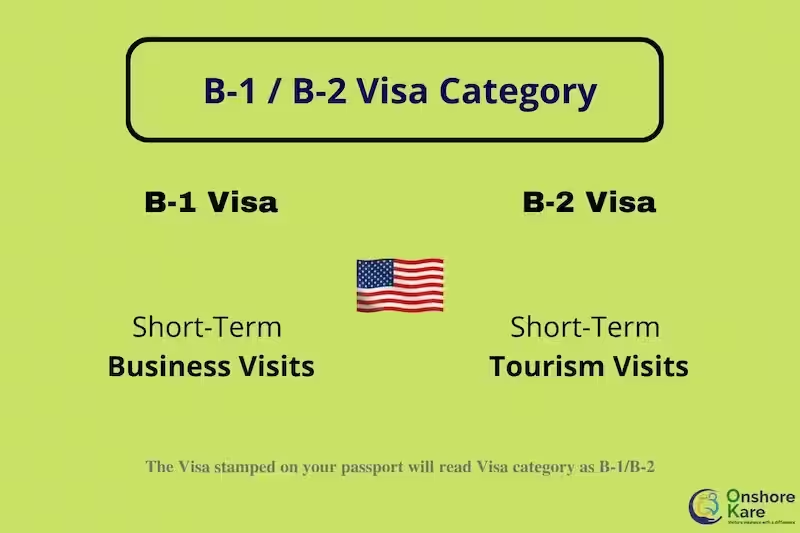
A visitor visa, often a B-2 visa, is designed for temporary stays for tourism, leisure, or medical treatment. Naturally, the duration of this stay is not fixed; rather, it's a decision made by the Customs and Border Protection (CBP) officer at the port of entry. While the typical duration is up to six months, this is just a starting point. The officer's assessment of your individual circumstances plays a major role.
The visa itself might be valid for several years (even up to 10 years in some cases). However, this validity doesn't translate directly into a guaranteed time in the country. The time allowed inside the US is determined upon arrival. This means that the length of time your parent can legally stay in the USA is contingent on the CBP officer's judgment at the time of entry. The key is to be well-prepared and not make assumptions about how long your visit will last.
Applying for an Extension: A Crucial Consideration
The initial six-month visitor visa is not an insurmountable limit. Parents can certainly apply for an extension. Crucially, though, this isn't a guaranteed process and there is no certainty of approval. Applications for extensions must be filed with the correct forms, such as Form I-539, well in advance of the expiration date. This crucial preemptive step is vital for a successful outcome.
The extension process assesses numerous factors regarding your parents' situation, finances, and intent to depart. Financial stability, proof of temporary purpose (e.g., medical treatment), and a clear intention to leave the USA are among the criteria. Each case is evaluated individually. Therefore, meticulous preparation of documentation and a clear understanding of the necessary evidence are critical.
Visa Waivers: Streamlining the Process
The process doesn't always require a full visa application. Depending on the parent's nationality, there might be visa waiver programs available. This can significantly streamline the application process. Thorough pre-application research is therefore highly recommended to uncover these potential opportunities and avoid unnecessary complexities.
Visa waivers can dramatically reduce the time and complications frequently faced by applicants. Naturally, this added step can save you and your parents a considerable amount of time and stress during the travel planning process.
Booking Travel: A Critical Advice
Avoid booking travel arrangements until you receive a formal visa decision. This is a crucial step to avoid potential problems, wasted time, and financial losses. A decision on the visa application is the key to finalizing travel plans to the US.
Booking travel in advance without a visa decision is a common mistake that can cause a great deal of trouble and frustration for the applicant and potentially invalidate the entire visa application process.
Potential Consequences of Overstaying
Overstaying your visitor visa can lead to severe consequences, including significant penalties and restrictions on future travel to the USA. Overstaying, even for a single day, can result in a refusal or denial of future applications. Penalties can range from a temporary ban on re-entry to a more permanent exclusion, making future travel extremely difficult.
The consequences of overstaying a visa can be quite severe, ranging from a temporary ban to a permanent restriction on entry into the United States. Thoroughly understanding the potential consequences is essential for maintaining legal compliance and ensuring a smooth and trouble-free visit.
Key Takeaways and Recommendations
- Research: Thoroughly research visa requirements for your parent's nationality, including potential visa waiver programs.
- Timing: Apply for extensions well in advance of the visa expiration date.
- Documentation: Maintain meticulous records of all applications and communication.
- Legal Counsel: Consider consulting with an immigration attorney for complex situations.
- Avoid Premature Bookings: Do not book travel arrangements until a formal visa decision is received.
By understanding these crucial points, parents and their families can approach the visitor visa process with greater confidence, reducing stress and increasing the likelihood of a successful and smooth travel experience. Naturally, this preparation can significantly reduce the risk of complications and maintain a positive outcome for the visa application.
```markdown
Frequently Asked Questions about Parent Visitor Visas to the USA
How long can parents stay on a visitor visa in the USA?
The length of stay for a parent on a visitor visa to the USA is not fixed. While a typical visitor visa allows a stay of up to six months, this is a general guideline. The actual duration is determined by the U.S. Customs and Border Protection (CBP) officer at the port of entry. The officer considers various factors when deciding the permitted stay. This means that the exact length of time a parent can remain in the USA is not pre-determined, and varies on a case-by-case basis.
Can the stay be extended beyond the initial period?
Yes, an extension is possible, but the applicant should not assume automatic approval. To extend the stay, a Form I-539 (Application to Extend/Change Nonimmigrant Status) is required. This application necessitates demonstrating sufficient financial resources, a valid reason for the extended stay (e.g., medical treatment), and a clear intention to depart the USA after the extension period. It is crucial to file this application well before the initial authorized stay expires.
What factors influence the length of stay?
Several factors can affect the length of stay granted by the immigration officer. These include the individual circumstances of the applicant, such as the purpose of the visit, and the country of origin. Researching visa waiver programs, if applicable, may improve the chances of a favorable decision. The officer's judgment plays a significant role in determining the authorized stay, and potential applicants should not rely on a predetermined timeframe when applying. It is important to understand the specific visa requirements for that parent's nationality, as these can vary.
What should I do before applying for a visitor visa?
Applicants should thoroughly research visa requirements, including potential visa waivers. They should carefully consider their circumstances, and if possible, seek advice from an immigration attorney. Crucially, booking travel arrangements before receiving a visa decision is highly discouraged. Concentrating on gathering necessary documentation and understanding the process before booking travel is essential to avoid wasted time and resources.
What are the consequences of overstaying a visitor visa?
Overstaying a visitor visa carries significant penalties. The consequences can range from a three-year ban to a ten-year ban from re-entering the USA, depending on the duration of the overstay. In extreme cases, removal proceedings may be initiated. Overstaying, even for a day, can lead to the cancellation of the visa and future difficulties in obtaining a visa.
Where can I find more information?
Consult the official website of the U.S. embassy or consulate for your specific region. It is strongly recommended to seek legal advice from an immigration attorney who can provide personalized guidance and strategies tailored to each unique case. A lawyer can help navigate the complex process and increase the likelihood of a successful outcome for your application.
```