
How Long Does It Take for Extensions to Stop Hurting?
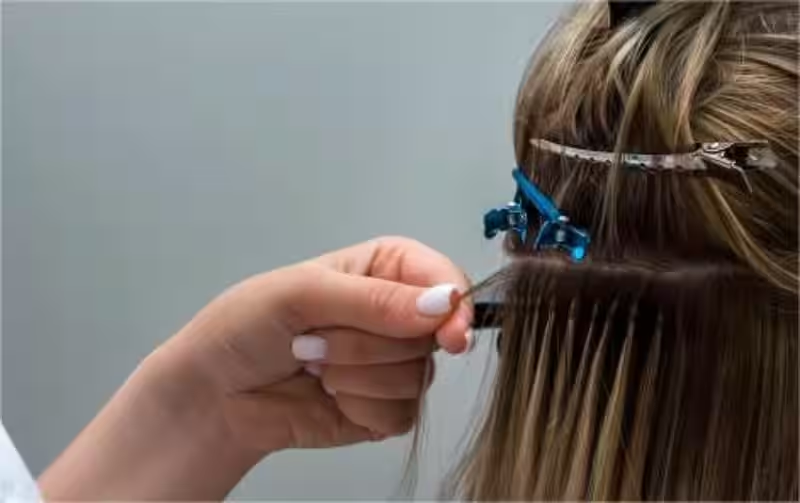
Getting hair extensions can be an exciting way to boost your look, but the initial adjustment period can sometimes be uncomfortable. Understanding the factors that influence this and the natural process of adaptation can help you feel more confident and prepared.
- Understanding the "Settling" Period
- Factors Affecting Discomfort and Settling Time
- Mitigating Discomfort and Speeding Up Settling
- General Timeline for Discomfort Reduction
-
FAQ: How Long Do Hair Extensions Stop Hurting?
- How long does it typically take for hair extension discomfort to subside?
- What factors affect how long it takes for extension discomfort to go away?
- What are some common signs of discomfort during the settling-in period?
- How can I minimize discomfort and speed up the settling process?
- What are some potential complications that can prolong discomfort?
- If discomfort persists after a few weeks, what should I do?
Understanding the "Settling" Period
Hair extensions, regardless of the technique used, require a period of adjustment on the scalp. This isn't pain or damage, but rather a natural process as the extensions integrate with your natural hair. Think of it like your scalp getting used to a new "accessory." This "settling period" is a normal part of getting extensions.
This period of adjustment, often referred to as the "settling-in" phase, typically lasts anywhere from two to four weeks. During this time, you may experience some discomfort, making patience a key ingredient for successful extension integration. This period varies based on a multitude of factors, which we will explore further.
Factors Affecting Discomfort and Settling Time
Numerous factors contribute to how quickly extensions stop hurting. Understanding these factors allows you to address potential issues proactively.
Types of Extensions and Installation Methods
Different extension types have varying levels of initial discomfort. Clip-in extensions generally settle in the quickest way, followed by tape-ins. Sew-in methods, including weaves, micro-links, and fusion/keratin techniques, often require a longer adjustment period due to their more permanent nature and potential for greater scalp interaction. A professional installation is crucial for minimizing discomfort and increasing the speed of the settling period. Home installations are more likely to result in uneven tension and scalp irritation.
Individual Pain Tolerance and Hair Type
Your individual pain tolerance plays a significant role. Some people are naturally more sensitive to the weight and insertion of extensions than others. Similarly, your hair type can influence the settling period. Fine or thin hair may be more susceptible to discomfort due to the added weight and tension. Thick, naturally strong hair can better support extensions.
Weight and Quantity of Extensions
The weight of your extensions plays a significant role. Heavier extensions exert more pressure on your scalp, potentially leading to more discomfort and a longer settling period. The number of extensions also factors into the settling period, with more extensions potentially requiring a longer adjustment period.
Professional Advice and Proper Aftercare
Following your stylist's aftercare instructions is crucial for a smoother settling period. They can offer advice on how to manage potential discomfort and ensure that your extensions are integrated correctly.
Maintenance and Handling
Gentle handling is key during the initial settling phase. Excessive brushing, heat styling, and tight hairstyles should be avoided to prevent irritation and discomfort. Using extension-friendly products, like those specifically formulated for hair extensions, can contribute to a more comfortable integration.
Mitigating Discomfort and Speeding Up Settling
There are steps you can take to mitigate discomfort and speed up the settling period.
Hydration and Product Selection
Maintaining hydration in your hair and scalp is crucial. Use sulfate-free shampoos and conditioners designed for hair extensions, and incorporate regular deep conditioning treatments to keep your hair and scalp healthy and moisturized. Avoid products with chemicals that could dry out your hair, potentially exacerbating discomfort.
Avoiding External Factors
Protecting your hair from harsh elements is vital. Excessive sun exposure can dry out both your natural hair and the extensions, hindering the settling process.
Recognizing Potential Complications
While rare, potential complications such as allergic reactions, scalp irritation, traction alopecia (hair loss due to extensions), or other issues can affect the settling period. If you experience significant or persistent pain, redness, itching, or any unusual symptoms, consult your stylist or dermatologist immediately.
General Timeline for Discomfort Reduction
Naturally, there's no single answer to how long it takes for extensions to stop hurting. In general, the discomfort associated with extensions should significantly lessen within two to four weeks, although individual experiences can vary. If discomfort persists beyond a few weeks, it's essential to contact your stylist or a medical professional for guidance.
The settling period for hair extensions is a normal adjustment phase. By understanding the various factors influencing this process and following recommended aftercare guidelines, you can significantly improve your comfort level and experience with your new extensions. Remember that patience, gentle handling, and proper maintenance are key to a smooth transition. Following your stylist's advice and using appropriate products are crucial for a comfortable and seamless integration.
FAQ: How Long Do Hair Extensions Stop Hurting?
How long does it typically take for hair extension discomfort to subside?
A typical settling-in period for hair extensions is 2-4 weeks. This allows the extensions to adjust to the scalp and blend with the natural hair. However, this is a general guideline, and the actual time will vary depending on several factors.
What factors affect how long it takes for extension discomfort to go away?
Several factors influence the settling period, including:
- Extension type: Clip-ins typically settle the fastest, followed by tape-ins. Sew-in and fusion/keratin extensions might take longer.
- Installation method: Professional installation by a skilled technician minimizes discomfort and speeds up the settling process compared to home applications.
- Hair texture: Fine hair may take longer to adjust to the weight and tension of extensions than thick hair.
- Individual pain tolerance: Everyone experiences pain differently.
- Maintenance: Proper aftercare, including gentle handling, the use of appropriate products, and regular maintenance appointments, can significantly reduce discomfort and speed up the settling process.
What are some common signs of discomfort during the settling-in period?
Common signs of discomfort during the initial settling period include scalp tenderness, itching, and stiffness.
How can I minimize discomfort and speed up the settling process?
- Gentle handling: Avoid excessive brushing, heat styling, and tight hairstyles during the initial weeks.
- Proper products: Use sulfate-free shampoos, conditioners, and extension-friendly products.
- Hydration: Maintain hydration to prevent dryness, which can worsen discomfort.
- Professional care: Follow the instructions of your stylist regarding care and maintenance.
- Avoid excessive sun exposure: Sun exposure can dry out the hair, both natural and extensions, hindering the settling process.
What are some potential complications that can prolong discomfort?
Poor installation techniques can lead to longer discomfort periods. Allergic reactions, scalp irritation, and traction alopecia (hair loss due to pulling) are possible complications. If you experience any of these, seek professional help immediately.
If discomfort persists after a few weeks, what should I do?
If discomfort persists beyond a few weeks, consult your stylist or a dermatologist. They can assess the situation and recommend solutions.