
Understanding Form W-7 and Obtaining Your ITIN
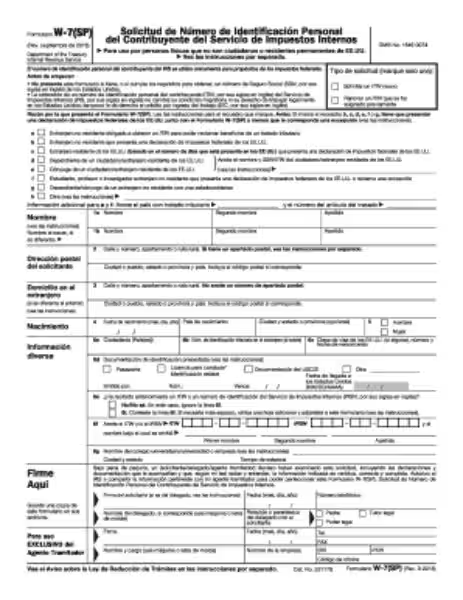
Many non-US citizens and residents find themselves needing a US taxpayer identification number to comply with US tax laws. This is where Form W-7, Application for IRS Individual Taxpayer Identification Number, comes in. This article will guide you through the essential aspects of Form W-7 and the ITIN process.
- What is Form W-7 and Why Do You Need It?
- Who Needs an ITIN and How to Qualify?
- Completing and Submitting Form W-7
- Renewing Your ITIN Using Form W-7
-
Understanding the Processing Time and Potential Penalties
- What is Form W-7?
- What is an ITIN?
- Who needs an ITIN?
- How do I apply for an ITIN?
- How long does it take to get an ITIN?
- Do I need to renew my ITIN?
- Where can I get Form W-7?
- What happens if I don't have an ITIN and need to file taxes?
- Is an ITIN for state and local taxes?
- What if I have questions about Form W-7?
What is Form W-7 and Why Do You Need It?
Form W-7 isn't just a form; it's your key to obtaining an Individual Taxpayer Identification Number (ITIN). This nine-digit number, issued by the IRS, is crucial for anyone required to file a US federal tax return but who doesn't have – and isn't eligible for – a Social Security Number (SSN). Think of it as a substitute for an SSN, specifically for tax purposes. The form itself is straightforward, but understanding why you need it is the first step.
The process of filling out and submitting Form W-7 is the method by which you formally request an ITIN from the IRS. It's not a process to be taken lightly, as providing accurate information is paramount for successful processing. Mistakes can lead to delays, and in some cases, may necessitate resubmission of your application.
Who Needs an ITIN and How to Qualify?
An ITIN is specifically designed for foreign nationals, non-resident aliens, and certain other individuals who are required to file a US tax return but don't qualify for an SSN. This might include individuals working in the US on a temporary visa, those with foreign investments generating US-source income, or those who have a US tax filing obligation for other reasons. It's important to remember that US citizens and lawful permanent residents (green card holders) generally should not apply for an ITIN; they should obtain an SSN.
The eligibility criteria are directly linked to your US tax obligations. If you're required to file a tax return, and you lack an SSN, then obtaining an ITIN through Form W-7 becomes a necessary step for tax compliance. This ensures the IRS can properly track your tax information and process your return.
The Difference Between an ITIN and an SSN
It's critical to understand the distinction: an ITIN is not a Social Security number. It doesn't provide eligibility for Social Security benefits, Medicare, or any other government programs linked to an SSN. It doesn't grant work authorization in the United States. Its sole purpose is for federal tax reporting.
This distinction is crucial as many applicants confuse the two. An ITIN solely addresses tax obligations; it does not grant any rights or privileges associated with US citizenship or residency.
Completing and Submitting Form W-7
Successfully completing Form W-7 is crucial for a smooth application process. The form requires accurate and complete information, including your personal details, tax information, and importantly, supporting documentation verifying your identity and foreign status. This documentation might include a foreign passport, national identity card, or other official identification. The IRS website provides a detailed list of acceptable documents. Failing to provide the necessary documentation can significantly delay the processing of your application.
Once completed, the form must be submitted along with the required supporting documentation. You can either mail your completed Form W-7 and documentation to the designated IRS address or use a certified acceptance agent. For information about certified acceptance agents, check the IRS website. This aspect depends on your specific circumstances and location.
Renewing Your ITIN Using Form W-7
ITINs are not automatically renewed. If your ITIN is expiring or has already expired, you must apply for renewal using Form W-7, following the same process as for initial application. This proactive approach is essential to avoid any issues with future tax filings. Failing to renew your ITIN before it expires will prevent you from filing your taxes accurately and timely.
Understanding the Processing Time and Potential Penalties
The IRS provides estimated processing times for ITIN applications on its website. However, processing times can vary. It's always best to apply well in advance of your tax filing deadline. Remember that filing your taxes without a valid ITIN can lead to penalties, highlighting the importance of ensuring your application is complete and submitted correctly. The necessity of the form w 7 sp is precisely in navigating this process successfully.
The IRS website is your best resource for the most up-to-date information, including detailed instructions, downloadable forms, and frequently asked questions. Always consult official IRS sources before making any decisions regarding your ITIN application. Understanding the process, the requirements, and the potential consequences will ensure a smooth and successful application.
What is Form W-7?
Form W-7 is the official "Application for IRS Individual Taxpayer Identification Number (ITIN)." It's used to request an ITIN from the IRS.
What is an ITIN?
An ITIN is a nine-digit number issued by the Internal Revenue Service (IRS). It's used for federal tax purposes by individuals who don't have and aren't eligible for a Social Security Number (SSN). It's crucial to understand that an ITIN is not a Social Security Number and does not provide work authorization or any other benefits associated with an SSN.
Who needs an ITIN?
Foreign nationals and others who are required to file a US federal tax return but do not have an SSN, and are not eligible for one, need an ITIN. US citizens and lawful permanent residents (green card holders) should apply for an SSN, not an ITIN.
How do I apply for an ITIN?
You apply for an ITIN by completing Form W-7 accurately and completely. You will need to provide supporting documentation to verify your identity and foreign status. This documentation is outlined in the instructions accompanying Form W-7. The completed form and supporting documents should be submitted to the IRS as directed on the form instructions.
How long does it take to get an ITIN?
The processing time for ITIN applications varies. The IRS provides estimated processing times on their website, but it's advisable to allow ample time for processing before your tax filing deadline.
Do I need to renew my ITIN?
Yes, ITINs are not automatically renewed. If your ITIN is expiring or has expired, you must renew it using Form W-7. You'll need to follow the same application process as for an initial ITIN.
Where can I get Form W-7?
Form W-7 and its instructions are readily available on the IRS website. You can also obtain it through other IRS resources.
What happens if I don't have an ITIN and need to file taxes?
Filing a US federal tax return without a proper identification number, such as an SSN or ITIN, can result in penalties. It's essential to obtain an ITIN if you're required to file a tax return and don't have an SSN.
Is an ITIN for state and local taxes?
No, an ITIN is solely for federal tax purposes. It does not fulfill identification requirements for state or local taxes.
What if I have questions about Form W-7?
For detailed information and answers to specific questions, consult the official instructions for Form W-7 on the IRS website or contact the IRS directly. They can provide assistance with completing the form and address any concerns you may have.