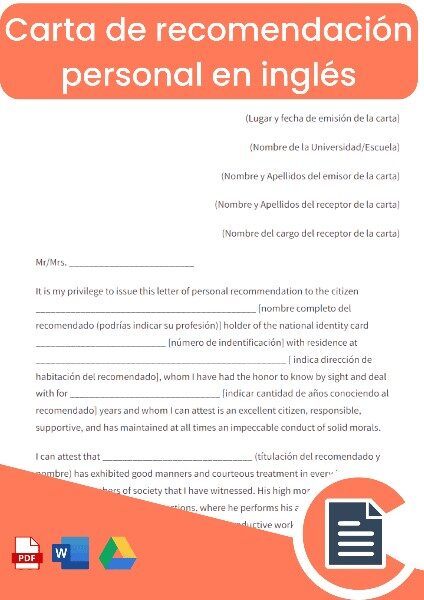
A Letter of Recommendation for Immigration: A Guide to Crafting a Powerful Statement
Navigating immigration processes can be daunting, with numerous requirements and complexities. One key element often overlooked is the letter of recommendation. This seemingly simple document can carry immense weight, acting as a powerful testament to your character, abilities, and suitability for life in the United States.
Think of a letter of recommendation as an advocate, a voice speaking on your behalf to immigration officials. It's not just a formality; it's a chance to showcase your best qualities and demonstrate why you deserve a chance at a new life. This article delves into the intricacies of crafting a compelling letter of recommendation for immigration, equipping both potential recommenders and applicants with the necessary knowledge to navigate this crucial step in the immigration journey.
- Understanding the Importance of Immigration Recommendation Letters
- The Art of Writing a Powerful Immigration Recommendation Letter
- Types of Immigration Recommendation Letters
- Additional Tips for Crafting a Powerful Letter
- Conclusion: A Letter of Recommendation as a Bridge to a New Life
-
Preguntas Frecuentes sobre Cartas de Recomendación para Inmigración
- ¿Quién debe escribir la carta de recomendación para inmigración?
- ¿Qué información debe incluir la carta de recomendación?
- ¿Qué tipo de información es crucial para incluir?
- ¿Debo enviar la carta de recomendación a una agencia específica?
- ¿Es necesario que la carta de recomendación esté en inglés?
- ¿La carta debe estar certificada?
- ¿Cuál es la extensión ideal de la carta de recomendación?
Understanding the Importance of Immigration Recommendation Letters
The letter of recommendation for immigration is more than just a formality; it's a crucial piece of the puzzle that can significantly influence the outcome of your application. It provides a third-party perspective, offering valuable insights into your character, skills, and suitability for life in the United States.
Immigration officials rely on these letters to gain a deeper understanding of who you are beyond the paperwork. It's an opportunity for someone who knows you well to vouch for your trustworthiness, integrity, and potential to successfully integrate into American society.
Key Considerations for Recommenders:
- Honesty and Accuracy: The letter must be truthful and reflect your genuine assessment of the applicant. Avoid embellishing or exaggerating their qualities.
- Specific Examples: Support your statements with concrete examples of the applicant's skills, accomplishments, and character traits.
- Professional Tone: Maintain a formal and professional tone throughout the letter. Avoid using slang or jargon.
The Art of Writing a Powerful Immigration Recommendation Letter
A well-crafted letter of recommendation is a persuasive piece that highlights the applicant's strengths and suitability for immigration. It's a delicate balance of providing specific details while maintaining a compelling narrative.
1. Identify the Right Recommender:
- Personal Connection: The recommender should have a strong and positive relationship with the applicant.
- Knowledge and Experience: The recommender should have firsthand knowledge of the applicant's qualities and abilities.
- Credibility: The recommender should be someone who can provide a credible and persuasive recommendation.
2. Structure Your Letter:
- Heading: Include the recommender's name, address, date, and the recipient's information (usually the immigration official or agency).
- Salutation: Start with a formal salutation, such as "Dear Immigration Officer" or "To Whom It May Concern."
- Introduction: Introduce yourself and your relationship with the applicant. Briefly describe the duration and nature of your knowledge of them.
- Body Paragraphs: Focus on the positive aspects of the applicant, highlighting their relevant qualities and experiences. Provide concrete examples to support your claims.
- Conclusion: Reiterate your recommendation and express your confidence in the applicant's success. Offer your contact information for any further inquiries.
- Signature and Contact Information: Sign your name legibly and include your contact information, such as address, telephone number, and email address.
3. The Content of Your Letter:
- Demonstrate Strong Character: Highlight the applicant's values, ethics, and integrity. Describe situations where they have shown honesty, trustworthiness, and respect for the law.
- Emphasize Skills and Abilities: Tailor the letter to the applicant's specific immigration case. If they're seeking employment-based immigration, focus on their skills and professional achievements. If it's family-based, emphasize their strong family ties and commitment to their loved ones.
- Highlight Adaptability and Integration: Emphasize the applicant's ability to adapt to a new culture, learn new skills, and contribute positively to society.
4. Examples to Include in Your Letter:
- Academic Achievements: If the applicant has a strong academic background, highlight their academic achievements, awards, and involvement in extracurricular activities.
- Work Experience: If the applicant has relevant work experience, describe their job responsibilities, skills, and accomplishments.
- Community Involvement: Mention if the applicant has been active in their community, volunteering, or participating in charitable organizations.
- Personal Qualities: Describe positive personal qualities such as kindness, compassion, leadership skills, and a strong work ethic.
Types of Immigration Recommendation Letters
- Family-Based Letters: These letters generally focus on the applicant's strong family ties and the positive impact they would have on their family members in the United States.
- Employment-Based Letters: These letters emphasize the applicant's skills, experience, and potential to contribute to the U.S. economy.
- Character Witness Letters: These letters are written by friends, neighbors, or community members who can attest to the applicant's good character and law-abiding behavior.
- Academic Recommendation Letters: These letters are written by professors or instructors who can speak to the applicant's academic achievements, potential, and suitability for advanced studies in the United States.
Additional Tips for Crafting a Powerful Letter
- Avoid Clichés: Stay away from generic statements or clichés. Instead, use specific examples and anecdotes to make your letter memorable.
- Be Concise: Keep your letter focused and to the point. Avoid unnecessary details or rambling.
- Proofread Carefully: Errors in grammar and spelling can undermine the credibility of your letter. Have someone else proofread it for you.
- Submit the Letter on Time: Make sure to submit your letter within the deadline set by the immigration agency.
Conclusion: A Letter of Recommendation as a Bridge to a New Life
The letter of recommendation is a powerful tool that can significantly impact the success of your immigration application. By understanding its purpose, following the guidelines, and crafting a compelling narrative, you can leverage this vital document to build a strong case for your future in the United States. Remember, your letter is a chance to showcase your best qualities and make a lasting impression on immigration officials. It's a statement of trust, commitment, and potential—a bridge to a brighter future.
By taking the time to write a thoughtful and persuasive letter of recommendation, you can help your friend or loved one achieve their dream of a new life in America. It's a small act of support that can have a profound impact on their journey.
Preguntas Frecuentes sobre Cartas de Recomendación para Inmigración
¿Quién debe escribir la carta de recomendación para inmigración?
La carta de recomendación debe ser escrita por alguien que conozca al solicitante bien y esté dispuesto a respaldar su caso. Idealmente, debería ser un empleador, profesor, supervisor, amigo cercano o familiar.
¿Qué información debe incluir la carta de recomendación?
La carta debe incluir detalles sobre la relación del remitente con el solicitante, las habilidades y cualidades relevantes para la inmigración, ejemplos específicos que respalden las afirmaciones y una conclusión que reafirme la recomendación.
¿Qué tipo de información es crucial para incluir?
La carta debe destacar las habilidades, experiencia, carácter moral y capacidad del solicitante para contribuir a la sociedad estadounidense.
¿Debo enviar la carta de recomendación a una agencia específica?
Sí, la carta debe ser enviada a la agencia de inmigración específica que está procesando la solicitud.
¿Es necesario que la carta de recomendación esté en inglés?
Sí, todas las cartas de recomendación deben presentarse en inglés, o traducirse al inglés si se redactan en otro idioma.
¿La carta debe estar certificada?
Es posible que la agencia de inmigración requiera que la carta sea certificada por un notario público, por lo que es recomendable verificar los requisitos específicos.
¿Cuál es la extensión ideal de la carta de recomendación?
No existe una extensión ideal, pero debe ser lo suficientemente completa para proporcionar la información necesaria sin ser excesivamente larga.
| Puntos Relevantes |
|---|
| Importancia y Consideraciones |
| Requisitos Específicos de la Agencia de Inmigración |
| Tono Profesional y Respetuoso |
| Idioma de la Carta |
| Pasos para Redactar una Carta de Recomendación |
| Identificar al Remitente |
| Estructura de la Carta |
| Introducción |
| Desarrollo del Cuerpo |
| Conclusión |
| Firma y Contacto |
| Tipos de Cartas de Recomendación |
| Carta de Apoyo Familiar |
| Carta de Referencia del Empleador |
| Carta de Carácter Moral |
| Carta de Recomendación Académica |
| Consideraciones Adicionales |
| Propósito Específico de Cada Carta |
| Originalidad de la Carta |
| Traducción Certificada |
| Conclusión |
| Potencia de una Carta de Recomendación Bien Escrita |
| Aumentar las Posibilidades de Éxito en el Proceso Migratorio |