
Can Someone with Dual Citizenship Vote in Both Countries?
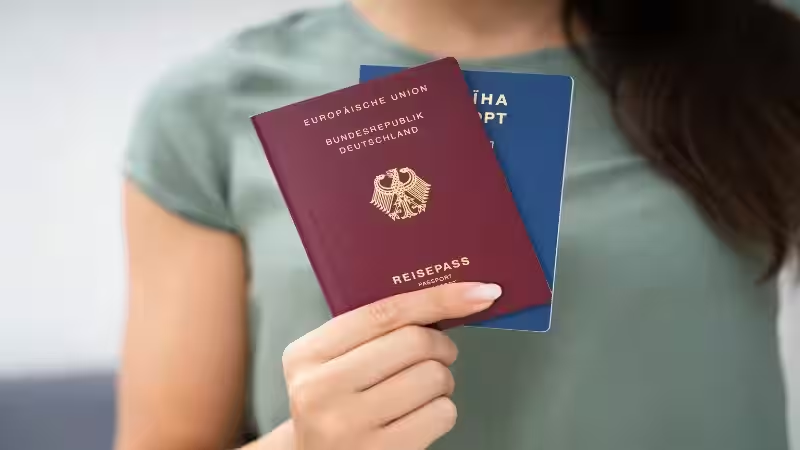
Can someone with dual citizenship vote in both countries? The answer, for U.S. citizens, is a resounding yes. This article delves into the intricacies of voting rights for U.S. citizens who also hold citizenship in another nation, addressing the nuances of this process for those living both domestically and abroad. Understanding these rights is crucial for ensuring active participation in the democratic process.
- Understanding Dual Citizenship and Voting Rights
- Voting Rights for U.S. Citizens Born Abroad
-
Frequently Asked Questions about Voting with Dual Citizenship
- Can a person with dual citizenship vote in both countries?
- If I'm a U.S. citizen with dual citizenship, can I vote in U.S. elections?
- What are the requirements for voting in U.S. elections as a dual citizen?
- How do I register to vote if I live overseas as a U.S. dual citizen?
- What if I was born abroad to U.S. citizen parents?
- Does naturalization affect voting rights?
- How do I find more information regarding my state's specific requirements for overseas voting?
Understanding Dual Citizenship and Voting Rights
Dual citizenship, the simultaneous holding of citizenship in two or more countries, is becoming increasingly common in today's globalized world. Naturally, this raises questions regarding the interaction of these multiple citizenships with voting rights. The key takeaway is this: U.S. citizenship is the defining factor for voting in U.S. elections. Holding another nationality does not affect this right. A U.S. citizen, whether living in the heartland or a far-flung corner of the globe, retains their voting rights.
This straightforward principle, however, is overlaid with specific regulations and processes. Different states may have varying requirements for voting, including residency stipulations or deadlines for registering. Further, individuals voting from overseas face unique challenges and procedures, making it essential to understand the practical steps involved in exercising this right.
The process of registering to vote is a critical first step. For citizens residing in the U.S., the process is usually straightforward and involves completing necessary forms and submitting them to the relevant local election authorities. Understanding the specific requirements for your state or locality is paramount, as specific forms and deadlines may vary.
For those residing abroad, the process is governed by the Uniformed and Overseas Citizen Absentee Voting Act (UOCAVA). This federal law standardizes the process for U.S. citizens to vote in elections from overseas. Crucially, it requires specific forms to be completed and submitted correctly, and these often involve detailed information about the voter's U.S. citizenship status. Staying informed about these procedures is vital for overseas voters.
Different Pathways to U.S. Citizenship
Understanding how one becomes a U.S. citizen is key to comprehending voting rights. There are fundamentally three pathways:
-
Birthright Citizenship (Jus Soli): This historically significant concept grants citizenship to those born within a country's borders. Within the U.S., this is enshrined in the 14th Amendment. While the basic principle is straightforward, there can be complexities surrounding the specific requirements for birth within the U.S., including the specifics of "in wedlock" and "out-of-wedlock" births.
-
Citizenship by Descent (Jus Sanguinis): This pathway allows individuals to acquire citizenship by virtue of their parentage. If one or both parents are U.S. citizens, the child may be eligible for U.S. citizenship. The requirements for this often involve proof of parentage and descent, which must meet very specific criteria.
-
Naturalization: For those not eligible through birthright or descent, naturalization is the pathway. This process involves a specific application process, meeting requirements regarding residency, knowledge of English, and understanding of U.S. civics. Naturalized citizens hold the same voting rights as those born in the U.S. or of U.S. descent.
These different pathways, each with its own nuanced requirements, underscore the importance of understanding the specific conditions for eligibility. The varying residency requirements, for example, can significantly impact individuals seeking to establish their U.S. citizenship.
Voting Rights for U.S. Citizens Born Abroad
A particular nuance arises for U.S. citizens born abroad. While the principle of citizenship is clear, the application of voting rights can differ based on state laws. The UOCAVA is crucial here, as it clarifies the voting rights for U.S. citizens residing overseas.
However, it's important to recognize that not all states automatically extend voting rights to U.S. citizens born overseas but have never resided in the U.S. The UOCAVA, in essence, acts as a safeguard for these citizens' right to vote in federal elections. But the specific application of these rights at the state level can differ. Current data shows that 38 states and the District of Columbia allow for voting by U.S. citizens born abroad, regardless of prior residency.
Crucial Considerations for Overseas Voting
For U.S. citizens living abroad, the Uniformed and Overseas Citizen Absentee Voting Act (UOCAVA) is the primary legal framework. This law sets clear guidelines for registering and voting from overseas. The process often involves utilizing unique forms and understanding deadlines for submitting these forms. Consulting the official UOCAVA resources or contacting your state's election authority is crucial in this process.
The right to vote is a fundamental aspect of U.S. citizenship. Dual citizens, naturally, retain this fundamental right. The key lies in understanding the specific requirements for voter registration and absentee voting, particularly for those residing outside the U.S. This article has presented a framework for navigating this process and understanding the nuances of voting rights for dual citizens. By knowing the steps and requirements at the state and federal level, U.S. citizens can confidently exercise their right to participate in the democratic process, regardless of their additional citizenship. For detailed information regarding specific requirements, consult the resources provided by your state's election authority and the U.S. government.
Frequently Asked Questions about Voting with Dual Citizenship
Can a person with dual citizenship vote in both countries?
No. A person can only vote in the country where they hold citizenship. This FAQ specifically addresses voting rights in the United States, and U.S. citizens can vote in U.S. elections regardless of any other citizenship they may hold.
If I'm a U.S. citizen with dual citizenship, can I vote in U.S. elections?
Yes. U.S. citizenship is the determining factor for voting in U.S. elections, not the presence of a second citizenship. You can vote in U.S. elections if you are a U.S. citizen.
What are the requirements for voting in U.S. elections as a dual citizen?
The requirements for voting in U.S. elections are the same for all U.S. citizens, including dual citizens. These include:
- U.S. Citizenship: Crucially, you must be a U.S. citizen.
- Age: You must be at least 18 years old on or before Election Day.
- Residency: You must meet any state residency requirements.
- Registration: You must register to vote according to your state's rules and deadlines.
How do I register to vote if I live overseas as a U.S. dual citizen?
If you are a U.S citizen residing abroad, you must register and vote using the procedures outlined in the Uniformed and Overseas Citizens Absentee Voting Act (UOCAVA). This involves completing specific forms for absentee voting.
What if I was born abroad to U.S. citizen parents?
Your eligibility to vote depends on the specific circumstances of your birth and the laws of the state in which you wish to vote. Federal law (UOCAVA) and some state laws may grant voting rights to U.S. citizens born abroad, even if they have never lived in the U.S., but specific requirements may apply.
Does naturalization affect voting rights?
Yes. Naturalized U.S. citizens have the right to vote in federal elections, as long as they meet the requirements of age, residency, and registration.
How do I find more information regarding my state's specific requirements for overseas voting?
Consult resources provided by your state's election office or the U.S. government's official election resources. Information varies by state.