
Affirmative Consent Means Giving and Receiving: A Guide to Healthy Sexual Interactions
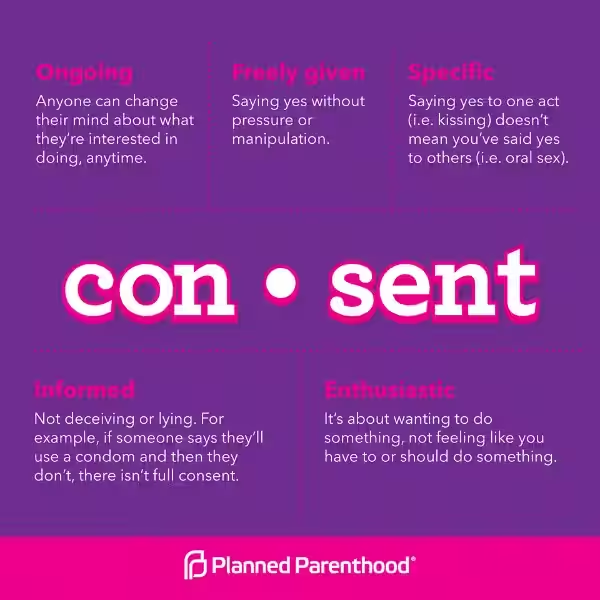
Understanding affirmative consent is fundamental to fostering healthy and respectful sexual relationships. It's not just about the absence of "no," but a proactive and enthusiastic "yes" – a continuous process of giving and receiving clear communication throughout the interaction. This article delves into the intricacies of affirmative consent, exploring its meaning, importance, and practical application.
- Defining Affirmative Consent
- The Importance of Communication
- Enthusiastic Consent
- Intoxication and Incapacity
- Withdrawing Consent
-
Frequently Asked Questions about Affirmative Consent
- What is affirmative consent?
- How is affirmative consent communicated?
- What does affirmative consent not include?
- What is the role of intoxication in affirmative consent?
- Can consent be withdrawn?
- Does past consent imply future consent?
- What if I'm unsure about someone's consent?
- What if I've been accused of sexual assault?
Defining Affirmative Consent
Affirmative consent is an agreement between individuals to engage in specific sexual activity; it's not a one-time event, but a continuous process of agreement and communication. This means constantly checking in with your partner to ensure their continued comfort and agreement, especially as the nature or intensity of the activity changes. This ongoing communication is crucial in ensuring that everyone involved feels respected and safe. Consent needs to be freely given, without any coercion or pressure.
Crucially, consent must be given by individuals who are of legal age, sober, and conscious, and free from coercion or intimidation. Silence, passivity, or past interactions do not constitute consent. A power imbalance, such as between a teacher and student, significantly impacts the ability to give freely given consent. Therefore, the central element of affirmative consent is the active and enthusiastic agreement of all parties involved.
The Importance of Communication
Consent hinges on clear and direct communication. This includes both verbal and nonverbal cues. Verbal affirmations are essential; a simple "Is this okay?" can establish clear expectations. Nonverbal cues such as smiling, eye contact, and nodding can also indicate consent, but verbal affirmation is ultimately the gold standard. It's vital to continuously assess and confirm mutual agreement throughout the interaction.
Furthermore, communication extends to discussing boundaries and expectations before engaging in any sexual activity. This proactive discussion ensures both individuals feel comfortable and understand each other's desires and limits. It's crucial to acknowledge that consent for one activity does not imply consent for another. Consent given at one time does not automatically translate to consent at a later time.
Enthusiastic Consent
The concept of "enthusiastic consent" is critical. It highlights the need for positive and affirmative responses, rather than simply avoiding rejection. This means actively seeking and receiving affirmation from your partner at each step, rather than relying on the absence of a "no." It's about asking questions like, "Is this okay?" and paying close attention to positive nonverbal cues, such as a smile, eye contact or a nod.
Checking in with your partner regularly throughout the encounter is essential. This reassures both individuals that their comfort levels are being respected and that they are empowered to express any changes in comfort or desire.
Key Indicators of Consent
Recognizing the nuances of consent is paramount. Consent requires clear communication and active agreement and cannot be assumed. It's vital to distinguish between consent and the absence of resistance. A lack of verbal resistance doesn't equal consent. Furthermore, physiological responses, such as arousal or orgasm, do not equal consent. These responses are involuntary and do not indicate agreement.
Recognizing Non-Consent
Understanding what doesn't constitute consent is equally important. It's crucial to respect a "no," acknowledge disengagement or distress, and avoid making assumptions based on attire, flirtation, or prior interactions. Also, recognize the legal limits of consent based on age and capacity. If there is any doubt or uncertainty, the interaction should cease immediately.
Intoxication and Incapacity
It's crucial to understand the difference between intoxication and incapacity. Intoxication may involve substance use, but incapacity signifies a significant physical and/or mental impairment that renders an individual unable to provide informed consent. In such cases, engaging in any intimate interaction is extremely risky.
Recognizing Incapacity
Identifying the signs of incapacity is essential. These signs can vary among individuals, and may emerge quickly. Indicators of potential incapacity include slurred speech, communication difficulties, or a lack of verbal expression. Physical manifestations such as a limp body, vomiting, or trouble with motor skills are also significant. Falling asleep or nodding off or complete unconsciousness are also key indicators of incapacity.
When doubt exists regarding consent, it's crucial to prioritize safety and seek clarification. The onus of ensuring consent is paramount, especially in situations where alcohol or drugs are present.
Withdrawing Consent
Crucially, consent can be withdrawn at any time. Individuals are empowered to communicate their discomfort and cessation of desire, using both verbal and nonverbal cues. It's essential always to respect a partner's withdrawal of consent.
Affirmative consent means giving and receiving, embodying respect, ongoing communication, and active agreement. It's about creating a safe and consensual space for all individuals involved. Implementing these principles will foster healthy sexual interactions and ensure that all parties feel comfortable, respected, and empowered. By understanding and practicing affirmative consent, we can promote a culture of respect and prevent sexual assault.
Frequently Asked Questions about Affirmative Consent
What is affirmative consent?
Affirmative consent is a clear, enthusiastic, and ongoing agreement between partners to engage in specific sexual activity. It's not a one-time event but a process throughout the interaction where both individuals actively communicate and confirm their desire to continue. This means actively seeking confirmation, rather than relying on the absence of a refusal. Consent must be freely given and clearly communicated, both verbally and nonverbally.
How is affirmative consent communicated?
Affirmative consent requires clear and explicit communication. Verbal affirmation ("Is this okay?") is crucial, and positive nonverbal cues (like smiling, eye contact, and nodding) can be indicators, but these cues alone are insufficient. It's essential to continuously check in with your partner to ensure ongoing consent as the activity progresses and intensity changes. Consent for one activity does not imply consent for another.
What does affirmative consent not include?
Affirmative consent does not include silence, passivity, past interactions, or involuntary physiological responses like arousal or orgasm. Consent can be withdrawn at any time, and any indication of discomfort or disinterest must be respected. Assumptions about consent based on attire, flirtation, or prior interactions are inappropriate. Nor does consent apply if one or both individuals are incapacitated due to intoxication or other factors.
What is the role of intoxication in affirmative consent?
Intoxication, whether from alcohol or drugs, can significantly impair a person's ability to consent. Crucially, intoxication can transition to incapacity. Incapacity means a person is significantly physically or mentally impaired and unable to understand the nature of their actions or their own state. If there is any doubt about a person's capacity to consent, it's essential to prioritize their safety and well-being by avoiding any sexual activity. Continuously monitor for signs of incapacity, which can include slurred speech, difficulty communicating, limp body, vomiting, or unconsciousness.
Can consent be withdrawn?
Yes, consent can be withdrawn at any time. If a person communicates their discomfort or change of heart, the interaction must cease immediately. This applies to any stage of the interaction. Both verbal and nonverbal cues indicating withdrawal of consent must be respected.
Does past consent imply future consent?
No. Past consent for one activity or interaction does not automatically imply consent for future activities or interactions. Each instance of sexual activity requires a fresh, affirmative agreement.
What if I'm unsure about someone's consent?
If you have any doubt about whether someone is giving consent, it's best to err on the side of caution and avoid any sexual activity. Communicate openly and respectfully with your partner. If you are unsure if someone is incapacitated, seek help from a trusted adult or authority.
What if I've been accused of sexual assault?
If you are accused of sexual assault, it's crucial to seek legal counsel and support immediately. Confidentiality is paramount, and speaking with a lawyer can ensure that you understand your rights and options. Remember that you are not alone, and there are resources available to help you navigate this process.