
Crafting the Perfect Uniform Policy Template: A Comprehensive Guide
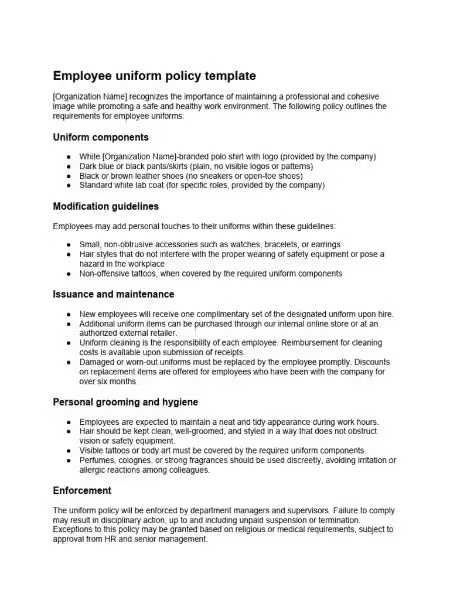
Creating a well-defined uniform policy can significantly benefit your organization. It fosters a professional image, promotes team unity, and even enhances workplace safety. But crafting a fair and effective policy requires careful planning and consideration of various factors. This guide will walk you through the process, providing you with a comprehensive uniform policy template and addressing common concerns.
- Understanding the Purpose and Benefits of a Uniform Policy
- Key Components of an Effective Uniform Policy Template
- Developing Your Uniform Policy: A Step-by-Step Approach
- Incorporating Company Branding
- Disclaimer
-
Uniform Policy Template FAQ
- What is the purpose of a uniform policy?
- What components are typically included in a uniform policy?
- Who is responsible for enforcing the uniform policy?
- What happens if an employee doesn't comply with the uniform policy?
- Can I make modifications to my uniform?
- What if I have a religious or medical reason for not wearing the standard uniform?
- How are uniforms issued and replaced?
- How should I maintain my uniform?
- How is the uniform policy created?
- Is this uniform policy template legally binding?
Understanding the Purpose and Benefits of a Uniform Policy
A clear and concise uniform policy serves multiple crucial purposes. Primarily, it establishes a standard of professional appearance, reflecting positively on your company's image to clients and customers. This consistency in attire contributes to a sense of team unity and shared identity, fostering a stronger sense of belonging among employees.
Beyond image, a uniform policy can play a vital role in workplace safety. For example, in industries involving machinery or chemicals, specific clothing requirements can minimize risks of injury. Furthermore, a well-defined policy helps ensure equity among employees, eliminating potential biases related to clothing choices.
Key Components of an Effective Uniform Policy Template
Your uniform policy template should clearly outline all essential details. Here's a breakdown of the key components:
Defining Approved Uniform Items
This section should list all approved clothing items, shoes, and accessories, specifying brands, colors, styles, and materials where appropriate. Avoid vague terms and use precise descriptions. For example, instead of "dark pants," specify "charcoal grey, wrinkle-resistant trousers." Including images or links to specific products can also enhance clarity.
Consider providing examples of acceptable and unacceptable items to prevent confusion. This detailed description minimizes ambiguity and ensures consistent interpretation across the organization.
Addressing Modifications and Personal Expression
While maintaining consistency is crucial, allowing for minor personal modifications can improve employee morale. Establish clear guidelines for permissible modifications like hairstyles, jewelry, or accessories, while setting limits to maintain a professional look.
This balance between standardization and individual expression ensures fairness and minimizes potential conflict. Clearly defining the limits helps to avoid misunderstandings and maintain a consistent professional image.
Handling Tattoos and Body Art
Visible tattoos and body art can be a sensitive topic. Your policy should address this clearly, outlining whether or not they are permitted and, if not, what steps employees can take to ensure compliance, such as using clothing to cover them. Ensure your approach is respectful and non-discriminatory.
Remember that policies surrounding tattoos and body art must comply with local and federal anti-discrimination laws. Consider including a statement that the policy is not intended to discriminate.
Uniform Issuance, Maintenance, and Replacement
The policy should detail how uniforms will be issued to new employees, including the initial provision and the process for obtaining replacements or additional items. Specify who is responsible for cleaning and maintaining uniforms, and whether the company will offer any reimbursement or discounts.
Clearly defining these responsibilities ensures that employees understand their obligations and that the company's procedures are transparent.
Personal Grooming Standards
Maintaining a neat and professional appearance is vital. Your policy should outline acceptable standards for hair, hygiene, and fragrances. Be specific and avoid overly subjective terms. For example, instead of "neat hair," specify "hair must be clean, combed, and tied back if it extends past the collar."
Maintaining a professional appearance enhances the company's image and fosters a positive work environment. Clear guidelines help to ensure consistency across the workforce.
Enforcement, Disciplinary Actions, and Exceptions
Clearly define the process for enforcing the policy, including who is responsible for monitoring compliance (e.g., department managers or supervisors). Outline the potential disciplinary actions for non-compliance, ranging from verbal warnings to suspension or termination. This section must be fair, consistent, and in accordance with all applicable laws and regulations.
Remember, consistency in enforcement is vital to ensure fairness and prevent favoritism.
Addressing Religious and Medical Exceptions
Accommodating employees with legitimate religious or medical needs is crucial. Outline the process for requesting exceptions and the required documentation. This demonstrates your company’s commitment to inclusivity and compliance with anti-discrimination laws.
Detailed procedures for requesting and processing exceptions ensure fairness and transparency for all employees.
Developing Your Uniform Policy: A Step-by-Step Approach
Creating a truly effective uniform policy template requires a thoughtful and inclusive approach:
-
Research: Start by researching industry standards and best practices for uniform policies in your sector.
-
Collaboration: Involve representatives from various departments and levels of your organization in the policy development process.
-
Feedback: Gather employee feedback on uniform preferences and concerns through surveys or focus groups.
-
Committee: Establish a committee responsible for implementation and ongoing enforcement of the policy.
-
Review: Regularly review and update the policy to reflect changing needs, feedback, and legal requirements.
Incorporating Company Branding
Integrating your company logo or colors into the uniform can contribute to brand recognition and reinforce a sense of unity. Ensure that branding is subtle and professional, avoiding overly prominent or distracting elements.
Disclaimer
Remember, this guide and any resulting uniform policy template provide general guidance only and do not constitute legal advice. Consult with legal counsel to ensure your policy complies with all applicable laws and regulations in your jurisdiction. This is crucial to mitigate legal risks and ensure fairness to all employees.
Uniform Policy Template FAQ
What is the purpose of a uniform policy?
A uniform policy outlines guidelines for employees required to wear uniforms during work hours. Its primary goals are to enhance the company's image, promote a sense of unity and professionalism among employees, improve workplace safety, and ensure equitable treatment for all staff.
What components are typically included in a uniform policy?
A comprehensive uniform policy defines approved uniform items (clothing, shoes, accessories), specifying colors, styles, and fabrics. It details allowances for personal modifications (within limits), addresses visible tattoos and body art, outlines procedures for uniform issuance, maintenance, and replacement, and sets standards for personal grooming. The policy also addresses enforcement, disciplinary actions, and procedures for requesting exceptions based on religious or medical reasons. Finally, it usually incorporates company branding into the uniform design.
Who is responsible for enforcing the uniform policy?
Department managers and supervisors are typically responsible for the day-to-day enforcement of the uniform policy.
What happens if an employee doesn't comply with the uniform policy?
Non-compliance with the uniform policy can lead to disciplinary action, ranging from verbal warnings to suspension or even termination, depending on the severity and frequency of the infraction and the company's disciplinary procedures.
Can I make modifications to my uniform?
Minor personal modifications to the uniform may be allowed, but these modifications must fall within the parameters specified in the policy. Specific allowances (e.g., acceptable jewelry, hairstyles) should be clearly outlined.
What if I have a religious or medical reason for not wearing the standard uniform?
The policy should include a process for requesting exceptions based on religious beliefs or medical conditions. This typically involves submitting a request to Human Resources and obtaining approval from management. Reasonable accommodations will be considered in accordance with applicable laws and regulations.
How are uniforms issued and replaced?
New employees usually receive an initial uniform set upon hire. Damaged or worn-out uniforms are the employee's responsibility to replace, though the company may offer discounts or reimbursement programs, particularly for long-term employees. Procedures for obtaining additional uniform items or replacement items should be clearly defined within the policy.
How should I maintain my uniform?
Employees are generally responsible for the cleaning and upkeep of their uniforms. The policy may address whether reimbursement for cleaning costs is available.
How is the uniform policy created?
Developing a comprehensive uniform policy involves several key steps: researching industry standards, involving representatives from different departments to gather input, surveying employees to gauge preferences, establishing a committee for implementation and enforcement, and regularly reviewing and updating the policy to ensure its ongoing relevance and effectiveness.
Is this uniform policy template legally binding?
No. This template serves as guidance only and does not constitute legal advice. It's crucial to consult with legal counsel to ensure your company's uniform policy complies with all applicable federal, state, and local laws and regulations. This is especially important regarding potential discrimination based on protected characteristics.