
Honduras Adoption: A Comprehensive Guide
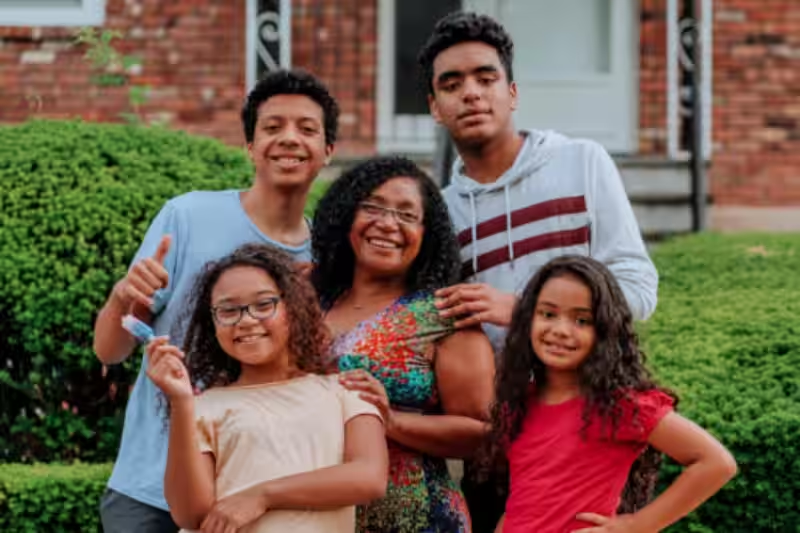
Is Honduras adoption the right path for you? This comprehensive guide will walk you through the complexities of adopting from Honduras, providing a clear understanding of the process, requirements, and considerations.
- Understanding the Honduran Adoption System
- Key Steps in the Honduras Adoption Process
- Important Considerations and Challenges
- Resources and Support
-
Honduras Adoption FAQ
- What organizations facilitate Honduran adoptions?
- What are the key steps in the Honduran adoption process?
- What is the role of SENAF in the process?
- What is the Hague Convention on Intercountry Adoption?
- What are the post-adoption reporting requirements?
- How long does the Honduran adoption process typically take?
- What are some important considerations for prospective adoptive parents?
- What are the financial implications of the adoption process?
Understanding the Honduran Adoption System
Honduras' adoption system is multifaceted, encompassing Honduran law, international agreements, and U.S. immigration procedures. This intricate web of regulations ensures the safety of children while providing a rigorous framework for responsible adoptions. Crucially, the system prioritizes the well-being of the child throughout the process. A strong legal framework, overseen by the National Secretariat for Childhood, Adolescence, and Family (SENAF), is fundamental to the adoption process.
This framework, combined with adherence to the Hague Convention on Intercountry Adoption and the oversight of a Foreign Supervised Provider (FSP) like Agape Adoptions, guarantees a standardized and ethical process. This approach naturally places a premium on transparency and accountability, ensuring that child welfare remains the paramount concern. Understanding the specific roles of SENAF and the FSP is essential for navigating this complex system.
Key Steps in the Honduras Adoption Process
The adoption process from Honduras is not a simple one; it's a journey that demands careful planning and meticulous adherence to procedures. This multi-stage process involves various governmental bodies, legal documents, and logistical considerations. Understanding these steps is crucial to successful navigation.
Selecting a Reputable Adoption Agency:
Choosing the right adoption agency is paramount. Ensure they are accredited by the relevant Honduran authorities, like SENAF, and adhere to the Hague Convention on Intercountry Adoption. Thoroughly research and vet potential agencies to ensure they operate with integrity and transparency. Look for agencies with a proven track record and a clear understanding of the Honduran and U.S. legal landscapes.
The Crucial Home Study and U.S. Approval:
A significant step involves the home study process in the United States. This involves a detailed assessment of your home environment, family dynamics, and your ability to provide a nurturing and stable home. This step, overseen by the U.S. Citizenship and Immigration Services (USCIS), is vital to ensuring the child's welfare. Thorough preparation for this step is essential, encompassing your own biometrics, background checks, and a detailed home study.
Once U.S. approval is obtained, the next phase involves submitting your dossier to the Honduran Central Authority. This stage often entails navigating Honduran bureaucracy and legal procedures. Be prepared for potential delays and meticulous record-keeping. This stage involves verifying eligibility, potential child referrals, and adhering to all Honduran legal requirements. This phase requires patience and an understanding of Honduran adoption procedures.
Immigration Procedures and Visas:
Obtaining immigration visas and documentation for the child is a crucial part of the process. The USCIS plays a pivotal role in ensuring compliance with U.S. immigration laws. Be prepared for interviews, further documentation, and potential delays.
Finalization and Post-Adoption Obligations:
The final phase involves adoption in Honduras, including obtaining the necessary documents from the Honduran adoption authorities. This phase also highlights post-adoption obligations and reporting requirements, demonstrating the ongoing commitment to the child's well-being. The Honduran authorities require detailed reporting about the child's progress and well-being after the adoption. This commitment to accountability and transparency is essential to the process.
Important Considerations and Challenges
- Timelines: The Honduras adoption process can be lengthy, often taking several years. Be prepared for potential delays and maintain a patient and understanding attitude.
- Financial Implications: Adoption services, home studies, and various fees associated with the process can be substantial. Thoroughly research and plan your finances to meet the costs associated with the process.
- Cultural Differences: Adapting to cultural differences is an essential aspect of intercountry adoption. Be prepared for differences in customs, traditions, and parenting styles. This understanding is naturally vital for a successful integration into the new family dynamic.
- Emotional Preparation: This journey involves emotional challenges and demands significant emotional investment. Seek support from your family, friends, and adoption professionals. This emotional preparation is essential for all parties involved in the process.
Resources and Support
- Agape Adoptions: https://www.agape-adoptions.org/ (Replace with actual link if available)
- Nightlight: https://www.nightlightadoptions.com/ (Replace with actual link if available)
- USCIS: https://www.uscis.gov/
The Honduras adoption process is undoubtedly complex but also incredibly rewarding. By understanding the procedures, expectations, and potential challenges, prospective adoptive parents can navigate this journey with greater confidence and preparedness. Remember to prioritize the child's best interests, work diligently with professionals, and embrace the unique opportunity to offer a loving home to a child in need. This process, while demanding, can naturally be rewarding for all involved.
Honduras Adoption FAQ
This FAQ provides information about the process of adopting a child from Honduras. Please note that this information is for general knowledge and does not constitute legal or adoption advice. Always consult with a qualified adoption attorney and your chosen adoption agency for personalized guidance.
What organizations facilitate Honduran adoptions?
Several non-profit organizations facilitate international adoptions from Honduras, adhering to Honduran law and the Hague Convention on Intercountry Adoption. One example is Agape Adoptions, which partners with SENAF, the Honduran adoption authority. Other organizations may also be involved, so verifying their accreditation and authorization is crucial.
What are the key steps in the Honduran adoption process?
The process generally involves several key steps, which must be followed in a specific order to avoid delays or ineligibility:
- Selecting a U.S. accredited adoption service provider. Verify the provider's Honduran authorization and adherence to regulations.
- Obtaining USCIS approval of suitability. This involves a home study, background check, and biometrics.
- Submitting a dossier to the Honduran Central Authority. This dossier includes necessary documentation.
- Obtaining USCIS provisional approval for the child's immigration.
- Securing a U.S. consular officer's "Article 5/17 Letter."
- Finalizing the adoption in Honduras. Full compliance with Honduran law is required.
- Obtaining necessary documents (birth certificate, passport, etc.) for the child.
- Obtaining a U.S. immigrant visa.
- Securing U.S. citizenship for the child.
What is the role of SENAF in the process?
SENAF (National Secretariat for Childhood, Adolescence, and Family) is the Honduran adoption authority. They work with courts and Foreign Supervised Providers (FSPs) to ensure adherence to Honduran law and the best interests of the child. SENAF approves adoption agencies and oversees the process.
What is the Hague Convention on Intercountry Adoption?
The Hague Convention on Intercountry Adoption is an international agreement that sets ethical and legal standards for international adoptions. Organizations like Agape Adoptions adhere to these guidelines to ensure a responsible and ethical process.
What are the post-adoption reporting requirements?
Post-adoption reporting is crucial for ongoing monitoring of the child's well-being. Requirements vary, but some organizations like Nightlight require home visits, written reports, and quarterly or bi-annual reports for the first few years. These reports must be submitted to Honduran authorities and often involve translation and apostille fees.
How long does the Honduran adoption process typically take?
The process can be lengthy, potentially taking up to five years. This timeframe is influenced by various factors, such as processing times for documents, approvals, and the availability of children eligible for adoption.
What are some important considerations for prospective adoptive parents?
Prospective adoptive parents should seek support from qualified adoption agencies that specialize in Honduran adoptions. Understand the legal framework, reporting requirements, and the financial aspects of the process. Attend informational sessions and carefully review all documentation. Transparency and proper financial practices are important. Always prioritize the well-being of the child.
What are the financial implications of the adoption process?
Adoption from Honduras involves significant financial costs, including fees for the adoption agency, translation, legal fees, travel, and other expenses. Understanding and planning for these costs is crucial. Be mindful of organizations that may pressure you into accepting excessive fees.