
How to Deal with Separation Anxiety from Your Partner
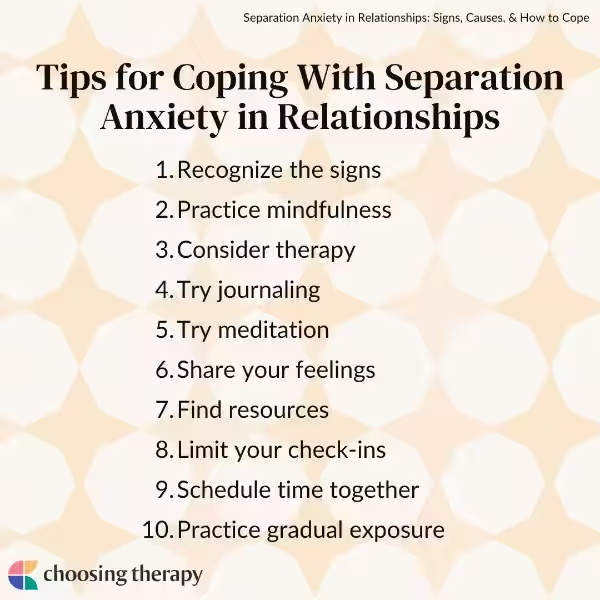
Separation anxiety in a relationship, while not a formal diagnosis, can significantly impact your well-being and daily life, making it difficult to function in your daily life. This anxiety is characterized by persistent worry or fear about separation from your partner, a feeling that can be incredibly overwhelming. This article will delve into the causes of separation anxiety and offer practical strategies to manage and overcome it.
Understanding the Roots of Separation Anxiety
Separation anxiety in relationships often stems from a complex interplay of factors. One key contributor is codependence, where individuals prioritize their partner's needs above their own. This can lead to a diminished sense of self and an inability to function independently, making separation feel incredibly challenging and anxiety-inducing. This loss of individual identity contributes naturally to a heightened fear of being without your partner.
Transitional periods, such as moving out, starting a new relationship, or returning to independence after a move, can also trigger separation anxiety. These changes disrupt established routines and introduce a feeling of vulnerability and uncertainty, which often exacerbates the anxiety related to separation. Furthermore, past traumas or significant losses, such as the death of a loved one or a personal disaster, can amplify these feelings of separation anxiety. The loss and uncertainty surrounding future events can evoke fear about the partner's safety and well-being during separation.
Identifying the Contributing Factors
It's essential to recognize the underlying causes of your separation anxiety. Attachment styles developed in childhood play a crucial role. Anxious attachment, stemming from inconsistent parental care, can manifest in relationships as a need for constant reassurance and a fear of abandonment, leading to separation anxiety. Conversely, secure attachment, nurtured by consistent and dependable caregiving, fosters confidence in navigating separations.
There are a variety of contributing factors to consider. Adverse childhood experiences (ACEs) are frequently implicated in the development of separation anxiety. Relationship betrayals, past trauma, and even genetic predispositions can all contribute. Identifying these factors is the first step in managing the issue. Recognizing these potential causes allows for targeted interventions and strategies to address the underlying anxieties.
Strategies for Managing Separation Anxiety
Managing separation anxiety involves a multifaceted approach. Limiting check-ins, while maintaining communication, is vital. Over-reliance on constant contact can be detrimental to both partners, hindering personal growth and independence. Establishing new routines, such as sharing daily meals or setting aside dedicated time for connection, provides structure and aids in the adjustment process.
Open and honest communication with your partner is equally important. Articulating your feelings and anxieties allows for understanding and support, potentially alleviating the anxiety for both individuals. Avoid assuming your partner knows how you feel. Communication is key to navigating this sensitive issue.
Prioritizing self-care is crucial in managing anxieties. This encompasses sleep, physical activity, healthy meals, and engagement with hobbies and friends. These activities provide a sense of normalcy and well-being, bolstering your coping mechanisms.
Gradual Exposure and Cognitive Restructuring
Graduated exposure, a technique used in anxiety treatment, can help slowly acclimate individuals to separation triggers. This gradual approach involves progressively increasing exposure to the anxiety-inducing situations, fostering coping mechanisms and reducing fear. This is not about forcing yourself to be away from your partner, but rather gradually increasing the duration and frequency of separation in a safe environment. This can help you to build confidence and resilience in handling separations.
By acknowledging and accepting anxious thoughts and emotions, rather than suppressing them, individuals can learn to detach from their intensity. Learning to accept these emotions and thoughts is crucial. Challenging negative thought patterns and replacing them with more realistic and helpful ones is a crucial aspect of cognitive restructuring. This helps you to manage the intensity of your feelings and thoughts during separation.
Seeking Professional Help
Seeking professional help from an anxiety therapist is recommended if separation anxiety significantly impacts daily life. Therapy allows for exploration of the root causes and development of effective coping mechanisms. A therapist can provide personalized strategies to help you navigate the specific dynamics of your relationship and address any underlying trauma or attachment issues. Online therapy platforms like Charlie Health offer support, with virtual therapy and IOP programs specifically designed to address separation anxiety.
Embracing Separation as an Opportunity
It's crucial to acknowledge separation as a natural part of life. It can be an opportunity for personal growth, self-improvement, and a deeper appreciation for the relationship. Time apart can foster gratitude and prevent taking loved ones for granted, strengthening your bond and building resilience. By managing your feelings healthily and focusing on personal development during periods of separation, you can create a more balanced and fulfilling relationship. Remember that separation is not the end of a relationship, but a necessary stepping stone to stronger intimacy and understanding. This process of managing separation anxiety will inevitably make you a stronger, more independent and self-sufficient individual, which is a positive outcome in any relationship.
FAQ: Dealing with Separation Anxiety in a Relationship
This FAQ addresses separation anxiety in relationships, recognizing it as a common challenge that can be managed effectively.
What is relationship separation anxiety?
Relationship separation anxiety is the intense fear, anxiety, or panic experienced upon separation from a partner. It's not a formal diagnosis, but it can significantly impact daily life and well-being. While normal to feel some degree of longing or missing a partner, separation anxiety involves a heightened and often debilitating fear of the separation.
What causes separation anxiety in relationships?
Separation anxiety isn't a single cause but rather stems from various factors:
- Codependency: Prioritizing a partner's needs above one's own, leading to a diminished sense of self and difficulty functioning independently.
- Transitional periods: Moving out, starting a new relationship, or returning to independence after a move can disrupt routines and evoke feelings of vulnerability.
- Trauma or loss: Past traumas or significant losses (e.g., death of a loved one) can amplify fear about the partner's safety and well-being during separation.
- Attachment styles: Anxious attachment, rooted in inconsistent parental care, can manifest as a need for constant reassurance and fear of abandonment in relationships. Conversely, secure attachment fosters confidence in navigating separation.
- Relationship dynamics: Relationship betrayal, unmet needs, or significant conflict can exacerbate separation anxiety and create a cycle of fear.
How can I manage separation anxiety in my relationship?
Managing separation anxiety requires a multifaceted approach focusing on:
- Limiting check-ins: Maintain communication, but avoid excessive contact that can foster dependency.
- Establishing routines: Sharing daily meals or setting aside dedicated time for connection during separation provides structure and stability.
- Open communication: Discuss fears and anxieties openly with your partner; this fosters understanding and support.
- Prioritizing self-care: Emphasize sleep, physical activity, healthy meals, and engagement with hobbies and friends to nurture your well-being.
- Gradual exposure: Slowly acclimate yourself to separation triggers (e.g., spending time alone) to build coping mechanisms.
- Addressing negative thoughts: Acknowledge and accept anxious thoughts and emotions without suppressing them. Reframing negative thoughts can be helpful.
When should I seek professional help?
If separation anxiety significantly impacts your daily life, relationships, or mental well-being, seeking professional help from a therapist or counselor is strongly recommended. A therapist can help explore the root causes of anxiety, develop effective coping mechanisms, and provide support during challenging transitions.
Is separation anxiety a sign of a failing relationship?
Separation anxiety itself isn't necessarily a sign of a failing relationship. However, if the anxiety is severe and interferes with your ability to maintain a healthy relationship, then it might be a sign that professional help could benefit both partners. Sometimes, separation anxiety can be a warning sign that deeper issues within the relationship need to be addressed.
Can separation anxiety be overcome?
Yes, separation anxiety can be overcome with the right strategies and support. With open communication, self-care, and gradual exposure, it's possible to manage and reduce the intensity of these feelings. Professional help can accelerate progress and provide invaluable tools to navigate these challenges.