
What Does a Certified Letter from the IRS Mean?
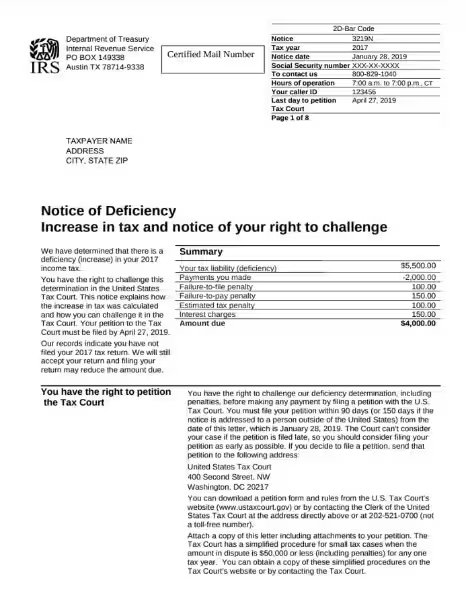
Receiving a certified letter from the IRS can be a cause for concern, but understanding its implications is crucial. This article will decipher what a certified letter from the IRS signifies and outline the necessary steps for a taxpayer to take. This clarity can prevent costly mistakes and potential legal issues.
- Understanding the Importance of Certified Mail
- Deciphering the Types of IRS Certified Letters
- Responding to IRS Certified Letters: A Practical Guide
-
Frequently Asked Questions About IRS Certified Letters
- What does a certified letter from the IRS mean?
- What types of IRS notices are sent via certified mail?
- What should I do if I receive a certified letter from the IRS?
- Why is a timely response to an IRS certified letter important?
- Is it necessary to respond to all IRS correspondence, even if it's not sent via certified mail?
Understanding the Importance of Certified Mail
Certified mail from the IRS isn't just another piece of mail; it's a formal notification method, often signaling important deadlines and potentially legally significant communication. While not all IRS correspondence is sent certified, certain notices are mandated by the tax code, primarily to provide taxpayers with a specific timeframe (usually 30 days) to respond to potential actions like asset levies. This ensures taxpayers have ample time to understand the situation and take appropriate action. This legal procedure is detailed in Internal Revenue Code § 6331(d). This code section explicitly mandates the IRS's obligation to notify taxpayers in person, by mail (certified or registered), or by leaving a notice at their residence or business. Knowing this clarifies the importance of carefully reviewing all IRS mail.
This formalized notification method highlights the seriousness behind the letter. It's not simply a reminder about taxes; it might be a precursor to more substantial actions like levies, liens, or audits. This emphasis on formal notification underscores the seriousness of the IRS's communication, urging immediate attention to the specific details within the letter. Understanding this formality gives the recipient the necessary context to respond appropriately.
Deciphering the Types of IRS Certified Letters
The IRS utilizes certified mail for various crucial notices, each with its own implications and required actions. Here are some key examples of notices sent via certified mail:
1. Notices Related to Potential Tax Levies and Liens:
The IRS might send certified mail in the form of a Final Notice of Potential Levy (CP3219A, or similar). This usually demands immediate action and response, as the notice details the potential for the IRS to seize assets if the tax debt isn't resolved within the specified timeframe. Similarly, notices regarding tax liens are sent via certified mail to formally record the lien.
The timing of action is critical. Taxpayers face strict deadlines for responding to levy notices. Missing these deadlines could result in the IRS taking swift action, potentially leading to the seizure of assets.
2. Notices Regarding Audits and Examinations:
Certified letters from the IRS are also used for audit or examination notices. This communication formally initiates the audit process, requiring taxpayers to meet strict timelines for providing requested documentation. Information Document Requests (IDRs) are often sent via certified mail, potentially multiple times during an audit process.
These notices are vital for taxpayers to correctly prepare for their audit. Understanding these notices is crucial for a smooth audit process and a timely outcome.
3. Notices of Deficiency and Tax Court Petitions:
A Notice of Deficiency (e.g., CP3219A) informs taxpayers about a perceived tax liability and their right to appeal to the Tax Court. Crucially, these notices have incredibly short deadlines for responding, often 90 days. Missed deadlines could result in the loss of the taxpayer's right to challenge the deficiency in the Tax Court.
Understanding the specifics of these notices is critical, as missing the deadline can have serious consequences.
4. Understanding Important Notice Numbers & Their Implications:
Many types of notices exist, and their significance varies. The CP77, CP90, CP91, CP523, and Letter 3171 each address various IRS actions. They may relate to levy intent, installment agreement termination, or lien filing updates. For example, CP90 is often related to specific federal payment issues. Each notice specifies the taxpayer's corresponding steps, whether resolving outstanding balances, appealing, or initiating a Collection Due Process (CDP) hearing. Letter 3171 often provides information but doesn't present new CDP rights.
The IRS uses various letter formats to communicate diverse issues, from potential levies to audit procedures. These notices require careful attention because each letter implies a possible action or outcome if the recipient fails to respond within the specified timeframe.
Responding to IRS Certified Letters: A Practical Guide
Upon receiving an IRS certified letter, immediate action is essential. Open the letter promptly; determine the required response time, usually specified within the letter itself. Consider responding with a certified letter to confirm receipt of your response. Review the IRS notice carefully, and if necessary, contact a qualified tax attorney.
Frequently Asked Questions About IRS Certified Letters
Q: What if I don't understand the certified letter?
A: Seeking professional tax advice is highly recommended. Tax attorneys can help you understand the notice's implications and advise on the best course of action.
Q: What happens if I ignore an IRS certified letter?
A: Ignoring IRS correspondence, certified or not, can have serious consequences, potentially leading to more significant issues such as levies, liens, or penalties. The IRS takes these notifications very seriously.
Q: What should I do if I am unable to respond to an IRS notice within the specified timeframe?
A: Contact a tax attorney or professional immediately to discuss your options. Seeking professional guidance is vital when handling complex IRS correspondence. Understanding your rights and responsibilities is critical.
Receiving a certified letter from the IRS is a serious matter. Understanding the contents of the letter, including the specific notice and the required response time, is crucial for avoiding potential legal issues. By taking prompt and informed action, taxpayers can effectively manage the situation and resolve any outstanding tax matters. Remember, seeking professional guidance from a tax attorney is always advisable when dealing with complex IRS notices, regardless of whether they are certified letters.
What does a certified letter from the IRS mean?
A certified letter from the IRS signifies important, potentially legally significant communication. While not all IRS correspondence is sent certified, certain notices are mandated by tax code to provide taxpayers with a specific timeframe (often 30 days) before taking action like levying assets. These notices inform taxpayers of their rights and required actions. Failing to attend to these notices promptly can have serious consequences.
What types of IRS notices are sent via certified mail?
The IRS uses certified mail for a variety of notices, including:
- Notices related to potential levies: These notices, often including a Final Notice of Potential Levy, outline the IRS's intent to seize assets and provide a crucial deadline for response.
- Notices of tax liens: The IRS formally records tax liens with notices sent via certified mail, informing taxpayers of the lien's existence.
- Audit and examination notices: Certified mail is used to notify taxpayers of audits or examinations, which have strict timelines for response.
- Information Document Requests (IDRs): During audits, the IRS may send multiple IDRs via certified mail requesting specific information.
- Notices of Deficiency: These notices inform taxpayers of a tax deficiency and provide a deadline for appealing to the Tax Court.
- Notices regarding collection actions: Letters like LT11, Letter 1058, and Letter 3172 relate to collection actions and inform taxpayers of their right to a Collection Due Process (CDP) hearing.
- Notices regarding installment agreement terminations, levy intent, and lien filing updates: Other notices (such as CP77, CP90, CP91, CP523, and Letter 3171) address various IRS actions, providing specific timelines and required steps.
What should I do if I receive a certified letter from the IRS?
Receiving a certified letter from the IRS requires immediate attention. First, open the letter and carefully review its contents. Determine the exact required response time and any specific instructions given. It's crucial to understand the implications of the notice, including potential penalties or loss of rights. Consider responding via certified mail to confirm receipt of your response. If you are unsure about the notice's implications, consulting with a qualified tax attorney is strongly advised.
Why is a timely response to an IRS certified letter important?
A timely response is critical because IRS notices often pertain to significant deadlines, such as those associated with appealing penalties, filing tax court petitions, or initiating Collection Due Process hearings. Missing these deadlines can result in the IRS taking further action, such as levying assets or recording a tax lien. It is essential to adhere to the timelines specified in the notices and to understand the implications of failure to do so.
Is it necessary to respond to all IRS correspondence, even if it's not sent via certified mail?
While this FAQ specifically focuses on certified mail, it's important to understand that ignoring any IRS correspondence, regardless of the delivery method, can be problematic. The IRS has various procedures for communicating with taxpayers, and neglecting any of these communications can have serious consequences. Always address IRS correspondence promptly.