
When Does the Beneficiary's Authorized Stay Expire? Navigating the Complexities of Immigration Status
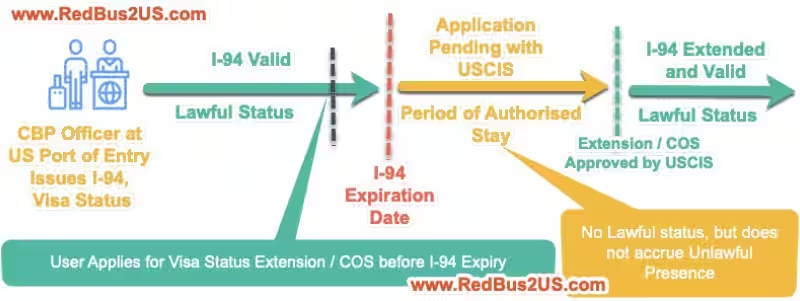
Understanding the precise moment when a beneficiary's authorized stay expires is crucial for navigating the complexities of immigration law. This article aims to shed light on the factors that determine the expiration of authorized stays, focusing on the key considerations for adjustment of status applications.
- Understanding "Authorized Stay" vs. "Lawful Immigration Status"
- Factors Impacting Authorized Stay Expiration
- Implications for Adjustment of Status Applications
-
Seeking Professional Guidance
- FAQ: When Does a Beneficiary's Authorized Stay Expire?
- What is an Authorized Stay?
- How is Authorized Stay Determined?
- When Does an Authorized Stay Expire?
- Do Pending Applications Affect Authorized Stays?
- Examples of Immigration Status and Authorized Stay Expiration
- What Happens if My Authorized Stay Expires?
- Seeking Professional Guidance
It's essential to differentiate between "authorized stay" and "lawful immigration status." While an authorized stay generally implies a person is legally present in the United States, it doesn't necessarily equate to lawful immigration status. A person can have an authorized stay but still be subject to potential immigration violations and restrictions. For example, a person with a temporary visa may have an authorized stay, but if they violate the terms of that visa, their lawful status is compromised. Naturally, this can have significant implications for future immigration applications. This distinction is pivotal in determining eligibility for adjustment of status, as outlined in INA 245(c)(2).
A crucial aspect of immigration law is the concept of "lawful immigration status." This encompasses a wide range of situations, including lawful permanent residents (both conditional and permanent), various nonimmigrant statuses, refugees, asylees, parolees, those in temporary protected status (TPS), and individuals lawfully present in the CNMI during specified periods. The crucial point is that simply filing an application for an immigration benefit (like a change or extension of status) does not automatically confer lawful status. Status is granted only upon approval of the application. This means a pending application doesn't grant retroactive or automatic lawful status.
Several factors can influence the expiration of an authorized stay, each with significant implications for those seeking to adjust their immigration status. The key consideration is whether the current status remains valid or has been terminated. A crucial factor is the date of the application for adjustment of status. If the applicant's current visa status expires before the adjustment application is approved, they may be considered in unlawful status during that period.
Here are some key factors affecting authorized stay expiration:
- Original visa terms: The specific length of time outlined in the initial visa grant is a primary factor.
- Extensions or changes of status: Successfully obtaining an extension can, naturally, extend a stay. However, a denied extension or change of status application does not extend the previous authorized stay.
- Violations of immigration law: Any violations of immigration law can lead to immediate termination of authorized stay and potential removal from the country.
- Effective date of status termination: Any official notice of termination from immigration authorities will establish the precise date the authorized stay ends.
Implications for Adjustment of Status Applications
The exact moment an authorized stay expires is critical in the context of adjustment of status applications under INA 245(c)(2). If an individual is in unlawful immigration status on the date their adjustment application is filed, they may be ineligible. This is a crucial legal bar that many applicants must be aware of.
In summary, unauthorized stay is determined by the precise date a person's immigration status or authorized stay is terminated. It also depends upon the date the adjustment of status application was filed. The timing of these events can have a major impact on the eligibility for adjustment of status. Understanding the difference between authorized stay and lawful immigration status is key to navigating this intricate process. This knowledge is especially crucial for individuals considering adjustment of status applications.
Seeking Professional Guidance
This information is for general knowledge and understanding only. It is strongly recommended that those seeking to adjust their immigration status consult with an experienced immigration attorney. They can assess individual circumstances and provide tailored advice on the specific implications of immigration laws and regulations.
Disclaimer: This article is for informational purposes only and does not constitute legal advice. Consult with an immigration attorney for personalized guidance.
```markdown
This FAQ section addresses common questions regarding the expiration of authorized stays for immigration beneficiaries. Please note that this information is for general knowledge only and does not constitute legal advice. Consult with an experienced immigration attorney for personalized guidance.
An authorized stay refers to the period of time an individual is legally permitted to remain in the United States. This is distinct from "lawful immigration status", which encompasses a broader range of legal permissions. While lawful status implies an authorized stay, an authorized stay does not always equate to lawful status. For example, a person with temporary protected status (TPS) has an authorized stay, but their status is different from a lawful permanent resident.
The duration of an authorized stay hinges on the specific type of immigration status. It's determined by the terms of the visa or immigration document granted to the individual. This can include the initial visa approval, extensions, changes of status, or other authorized stays granted through specific immigration programs.
The expiration date of an authorized stay is explicitly outlined in the immigration documents issued by the relevant immigration authorities. It's crucial to carefully review these documents to understand the exact expiration date.
A pending application to extend or change status, including adjustment of status applications, does not automatically extend an authorized stay. If the current status expires before the application is approved, the individual may be considered to have an unlawful immigration status. This means that any period of unlawful status could negatively impact their eligibility for adjustment of status or other immigration benefits.
- Lawful Permanent Residents (LPRs): LPRs enjoy a permanent stay in the U.S. and aren't subject to the same expiration dates as other statuses.
- Non-immigrant Visas: Non-immigrant visas have specific expiration dates outlined in the visa document itself. Failure to comply with the conditions of the visa can lead to a termination of the authorized stay.
- Temporary Protected Status (TPS): TPS provides temporary protection from removal for individuals from countries facing extraordinary and temporary conditions. The authorized stay related to TPS is usually defined in the individual's TPS document.
- Asylees and Refugees: Asylees and refugees have a different process for determining the duration of their authorized stay.
If an authorized stay expires, the individual may be subject to removal proceedings. The specific consequences depend on the circumstances surrounding the expiration and any applicable immigration laws.
Seeking Professional Guidance
This FAQ provides general information. It is essential to consult with an experienced immigration attorney to understand the specific implications of your situation and to receive personalized legal advice.
```