
Labour Market Impact Assessment Processing Time: A Practical Guide for 2024
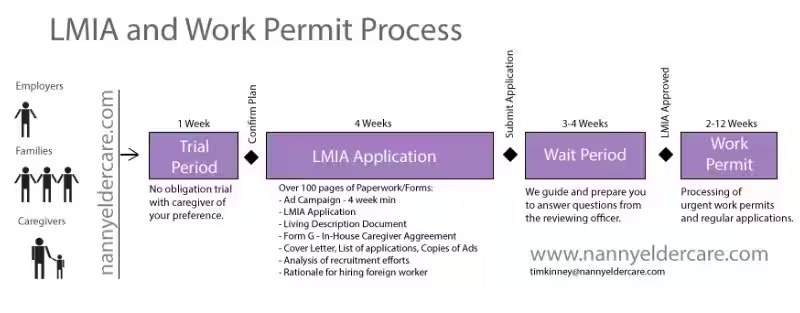
Understanding the intricacies of Labour Market Impact Assessment (LMIA) processing time is crucial for employers seeking temporary foreign workers (TFWs). This article delves into the complexities of these assessments, providing practical insights into the current landscape and equipping you with the knowledge needed to navigate the process successfully. We'll discuss the factors influencing processing time, current trends, and strategies for effective planning in the face of variability.
- The Dynamic Nature of LMIA Processing Times
- Factors Influencing LMIA Processing Time
- Practical Strategies for Managing LMIA Processing Times
-
Labour Market Impact Assessment (LMIA) Processing Time FAQs
- How long does it typically take to process an LMIA application?
- What factors influence LMIA processing time?
- What are the current average processing times for different LMIA streams?
- How can I obtain the most current information on LMIA processing times?
- What if my LMIA application is taking longer than expected?
- Are there any specific steps I can take to potentially shorten processing time?
- What if my LMIA application is denied?
The Dynamic Nature of LMIA Processing Times
LMIA processing times are not fixed; they fluctuate based on various factors. The volume of applications submitted directly impacts the processing time. High application volumes often lead to longer wait times, while lower volumes can result in quicker turnaround. This dynamic nature necessitates a proactive approach from employers, requiring them to adapt their timelines for TFW recruitment to avoid delays. This constant monitoring of the current processing environment, using the most recently updated data, is vital to successful planning.
Furthermore, the specific LMIA stream plays a significant role. Different streams have different criteria, requirements, and internal processing procedures. Factors like the type of job, industry, and candidate's skills may influence the processing times. This means that an understanding of the particular LMIA stream being used is critical. A strategy for one stream might not be effective for another.
Factors Influencing LMIA Processing Time
Several factors contribute to the variability in LMIA processing times, influencing the efficiency of the hiring process.
Application Volume and Processing Capacity
A surge in applications can inevitably lead to backlogs and longer processing times. The capacity of the processing system, including the number of officers and resources dedicated to assessing LMIAs, also plays a crucial role. Fluctuations in these areas can significantly affect the time to receive approval. Employers must anticipate potential delays and adjust their timelines accordingly, possibly by allowing extra time in their recruitment plans.
Stream-Specific Requirements
Different LMIA streams have varying complexities, influencing processing time. The Global Talent Stream, for instance, might be processed more rapidly for specialized skills, whereas other streams, like those focused on lower-skilled workers, might experience longer processing times. The intricacies of each stream, which need to be considered when planning, mean that a generalized approach will simply not work.
Data Limitations and the Need for Granularity
While the available data provides a general overview of processing times, a lack of granular details on individual LMIA streams, industry sectors, or regional locations creates a significant limitation. A breakdown of processing times by industry, job title, or regional location would offer a more precise understanding of the specific challenges and opportunities within each market segment. This detailed information would greatly help employers tailor their approach to specific circumstances.
Practical Strategies for Managing LMIA Processing Times
Employers should adopt a proactive approach to manage potential delays associated with the labour market impact assessment processing time.
Utilizing Updated Data Effectively
Regularly reviewing the most recent data on LMIA processing times, updated monthly, is crucial for informed decision-making. This dynamic approach allows employers to adapt their strategies to the current processing environment, reducing the risk of delays.
Optimizing Application Completeness
Submitting complete and accurate applications is paramount to avoiding delays. Ensuring all necessary documentation is included, and all requirements for the specific LMIA stream are met, is critical. Carefully reviewing the documentation checklist for each stream before submission minimizes the chance of delays for missing documents.
Understanding Stream-Specific Implications
Employers need to understand the intricacies of each LMIA stream. This includes recognizing potential delays, adjusting timelines accordingly, and potentially exploring alternative streams, should the specifics of the stream not align with the employer's goals.
Building a Robust Recruitment Plan
A comprehensive recruitment plan that emphasizes the recruitment of domestic candidates while also carefully considering the need for TFWs is vital. Documenting the recruitment efforts, such as job postings on Job Bank, will strengthen the LMIA application. This detailed approach demonstrates a bona fide attempt to fill positions with domestic workers, a crucial element in the LMIA application process.
Continuous Monitoring and Adaptation
The labour market impact assessment processing time isn't static; it's dynamic. Employers need to continuously monitor the most recent data, adapting their approach as needed. This proactive approach will help them navigate the complexities of TFW recruitment effectively.
The labour market impact assessment processing time is a dynamic variable, not a constant. Employers must remain flexible and adaptable to the changing demands of the LMIA process. Understanding the factors at play, utilizing updated data, and implementing proactive strategies are crucial for successful TFW recruitment. The provision of more detailed data, broken down by specific criteria, would greatly enhance the utility of these reports, allowing employers to make even more informed decisions. By understanding and addressing the potential challenges associated with LMIA processing, employers can effectively manage their workforce needs and ensure a smooth transition for their foreign workers.
Labour Market Impact Assessment (LMIA) Processing Time FAQs
How long does it typically take to process an LMIA application?
Processing times for LMIA applications are highly variable and depend on numerous factors, including the volume of applications submitted and the specific LMIA stream. There is no single definitive answer. While recent updates provide average processing times for various streams, these are averages, and actual processing times can differ significantly. Employers should consult the most recently updated data to ensure accurate planning.
What factors influence LMIA processing time?
Several factors affect LMIA processing time. High application volumes often lead to longer processing times, while lower volumes can result in quicker turnarounds. The specific LMIA stream (e.g., Global Talent Stream, Permanent Residence Stream), the completeness and accuracy of submitted applications, and the specific requirements of the position all play a role. Even month-to-month variations are expected.
What are the current average processing times for different LMIA streams?
Unfortunately, without specific, publicly accessible data, a precise breakdown of current average processing times for each LMIA stream is not possible. However, recent updates (February 2025 and beyond) indicate significant variations. For instance, the Permanent Residence Stream experienced a substantial increase while the Global Talent Stream saw a decrease. Employers should refer to the most recent information from Employment and Social Development Canada (ESDC) for the most up-to-date figures.
How can I obtain the most current information on LMIA processing times?
The most current information on LMIA processing times is usually available from Employment and Social Development Canada (ESDC). Check their official website and look for the most recently updated data tables, as these are frequently updated. This data will often be released on a monthly or other recurring basis and will indicate average processing times for different LMIA streams.
What if my LMIA application is taking longer than expected?
If your LMIA application is taking longer than anticipated, it's essential to maintain communication with ESDC. While you should avoid speculating on delays, keeping tabs on the status of the application and proactively addressing any outstanding items can help expedite the process.
Are there any specific steps I can take to potentially shorten processing time?
Submitting a complete and accurate application is crucial. Ensure all required documents are included to prevent unnecessary delays. Also, being aware of the current average processing times for the relevant LMIA stream and adjusting your timelines accordingly is essential. If specialized skills are required, see if the Global Talent Stream might accelerate the process, if applicable.
What if my LMIA application is denied?
If an LMIA application is denied, you should review the reasons for the denial and consider the next steps as outlined by ESDC, considering any appeal processes. A clear understanding of what went wrong and adjustments to the application accordingly are important. Consider consulting with an immigration lawyer or professional to guide you through the appeal process.