
Foundation Forming: A Crucial Step in Homebuilding
Building a home is a complex process, and one of the most critical steps is foundation forming. A strong and stable foundation is the bedrock upon which the entire structure rests. Understanding the process of foundation forming, from excavation to concrete pouring, is essential for homeowners and contractors alike. This article will guide you through the essential aspects of this crucial phase.
Excavation: Preparing the Ground
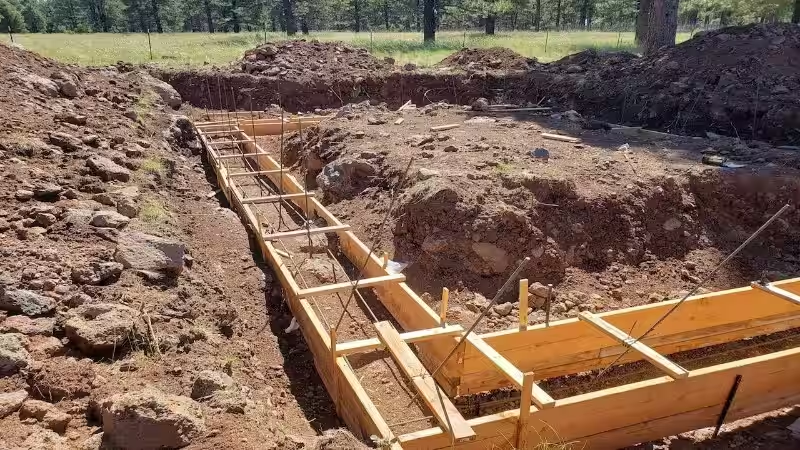
The first step in foundation forming involves excavation. This process involves digging a hole to the required depth, often several feet below ground level, to create a suitable area for the foundation footings. The exact depth will depend on local building codes, soil conditions, and the type of structure being built. Understanding the soil composition is paramount. Different soil types will necessitate varying approaches to ensure stability. Compacted clay will require more support than sandy soil, for instance. Careful planning and execution during the excavation phase are vital to prevent issues later on in the project. Proper excavation techniques also protect workers and equipment from potential hazards.
Soil preparation is an important part of this process, which often involves removing any organic matter, rocks, or other debris that could compromise the strength of the foundation. This preparation ensures a solid base for the foundation footings to be built upon. A properly prepared excavation area will contribute significantly to the long-term stability and structural integrity of the home. This meticulous work is often overlooked but is a crucial step in achieving a reliable foundation.
Formwork: Shaping the Foundation
Following excavation, formwork is essential for shaping the foundation footings. These temporary molds, typically constructed from wood or metal, define the desired shape and dimensions of the concrete footings. Accurate measurements and precise construction of the forms are vital to prevent cracks and ensure structural integrity. The forms must be sturdy enough to withstand the weight of the wet concrete, and they must be properly braced to prevent shifting. The formwork process needs significant attention to detail to ensure the concrete pours correctly. An improperly built form can result in an uneven or unstable foundation.
In addition to the formwork for the footings, consideration should be given to the reinforcement of the edges or corners of the foundation. This is often achieved by using metal rebar strategically placed within the forms. This key component helps distribute weight and stress evenly, further contributing to the overall strength of the concrete structure. Proper use of rebar is a major factor in ensuring safety and longevity for the future home.
Concrete Pouring: Bringing the Foundation to Life
Once the forms are in place, the concrete pouring process begins. A team of professionals carefully pours the concrete into the forms, ensuring a smooth and even distribution. The concrete must be mixed according to specific guidelines to achieve the desired strength and consistency. Important factors include the type of concrete, the ambient temperature, and the moisture content of the concrete mix. These factors all play a part in the ultimate strength of the concrete.
Accurate estimations of the concrete required are essential to avoid over- or under-estimating the material needed. Using precise calculations for the volume of concrete needed is crucial to avoid costly mistakes and ensure the project is completed on time and within budget. Sometimes, the amount of concrete required will need to be adjusted based on the actual excavation dimensions. These details require strong communication between the different teams involved. This step underscores the importance of meticulous planning and communication throughout the various phases of construction. This is where the natural forming of the concrete begins to take shape.
Reinforcement: The Unsung Hero of Concrete
Reinforcement, often using rebar, plays a crucial role in the strength and durability of the concrete foundation. The steel rebar helps distribute stress evenly and significantly increases the concrete's tensile strength. Proper quantities of rebar strategically placed within the forms are imperative. Underestimating rebar can lead to cracks in the concrete structure, which can have long-term consequences on the stability of the entire building.
Additional Considerations: Ensuring a Solid Foundation
Maintaining proper moisture content in the concrete is crucial during the curing process. This often involves covering the concrete to prevent water loss, especially during dry weather conditions. Proper curing is essential for the concrete to attain its designated strength. Poor curing can result in a weakened foundation, making the structure vulnerable to damage and potentially leading to costly repairs in the future.
Conclusion: Foundation Forming – Naturally Crucial
Foundation forming is a critical process, from careful excavation to the meticulous pouring of concrete. Understanding the various steps involved in foundation forming, including formwork, reinforcement, and curing, is paramount to constructing a strong and durable home. Taking these steps naturally produces a foundation that will serve as a stable base for years to come. This process lays the groundwork for a structurally sound home, emphasizing the importance of planning and execution in delivering a successful outcome.